LIFESTYLE
Causes of Frequent Urination: Why do you urinate frequently when you have an upset stomach? Know what things you should avoid.
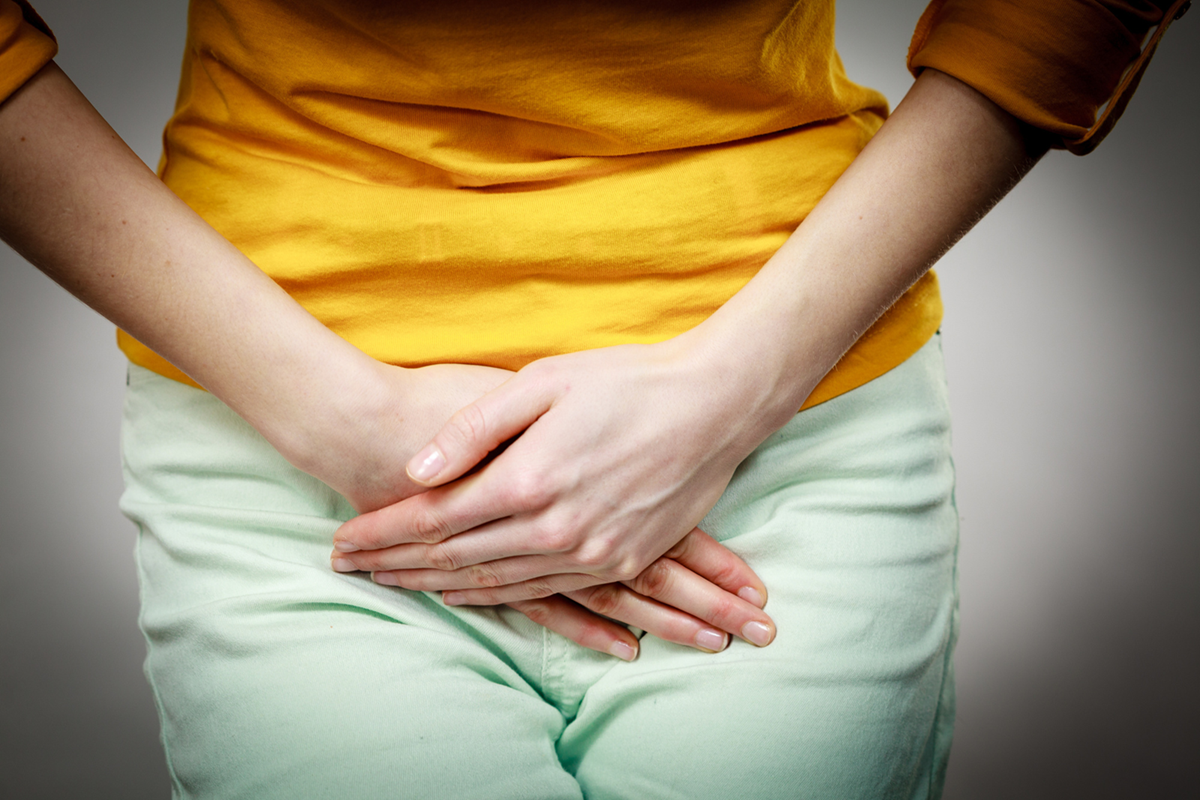
Causes of Frequent Urination: Why does one urinate frequently when one has an upset stomach? Learn about the reasons behind this, the connection between dehydration and infection, what foods to avoid, and when to consult a doctor.

An upset stomach is a common problem, but sometimes it's accompanied by another condition. Some people experience frequent urination while experiencing diarrhea or an upset stomach. This often leaves people wondering what the connection is between the stomach and urination. While this condition isn't always a sign of a serious illness, certain changes in the body can be the cause. However, if this problem persists for a long time or is accompanied by pain, fever, or weakness, it's important to consult a doctor.
1 /6
When a person has diarrhea, a large amount of water and essential salts are lost from the body. The body tries to cope with this change. Sometimes, an infection or inflammation in the stomach and intestines can affect surrounding organs. The stomach and bladder are very close to each other in the body. Therefore, during stomach problems, pressure may be felt on the bladder, which can lead to frequent urination.
2 /6
In some cases, diarrhea and frequent urination can be caused by the same infection. Infections caused by bacteria, viruses, or contaminated food can affect different parts of the body. If the infection reaches the urinary tract, problems like frequent urination, burning, or discomfort can also occur. Therefore, it is important to pay attention not only to upset stomach but also to other urinary problems.
3 /6
Dehydration, or a lack of fluids in the body, can also be associated with this condition. People often drink more water, ORS, or other fluids when they have diarrhea. The increased fluid intake can also increase the frequency of urination. This can be a normal reaction. However, if you experience excessive thirst, dizziness, or your urine becomes very dark, it could also be a sign of dehydration.
4 /6
In such a situation, it's important to pay special attention to your diet. Also, if you have an upset stomach, avoid fried foods, spicy foods, fast food, and foods with a lot of oil. These foods can put extra pressure on the intestines and worsen diarrhea. Furthermore, high-sugar beverages and carbonated drinks can also worsen the problem.
5 /6
Milk and some dairy products can also worsen stomach upset in many people. In case of diarrhea, temporarily avoiding milk, cream, or heavy dairy products may be beneficial. Bananas, porridge, toast, boiled potatoes, and light meals can help soothe the stomach. To avoid dehydration, maintain adequate water intake and ORS.
6 /6
If diarrhea persists for more than two to three days, is accompanied by burning, bloody urine, or a high fever, it should not be ignored. Such a condition could be a sign of an infection or other health problem. Timely diagnosis and treatment can prevent the problem from worsening.