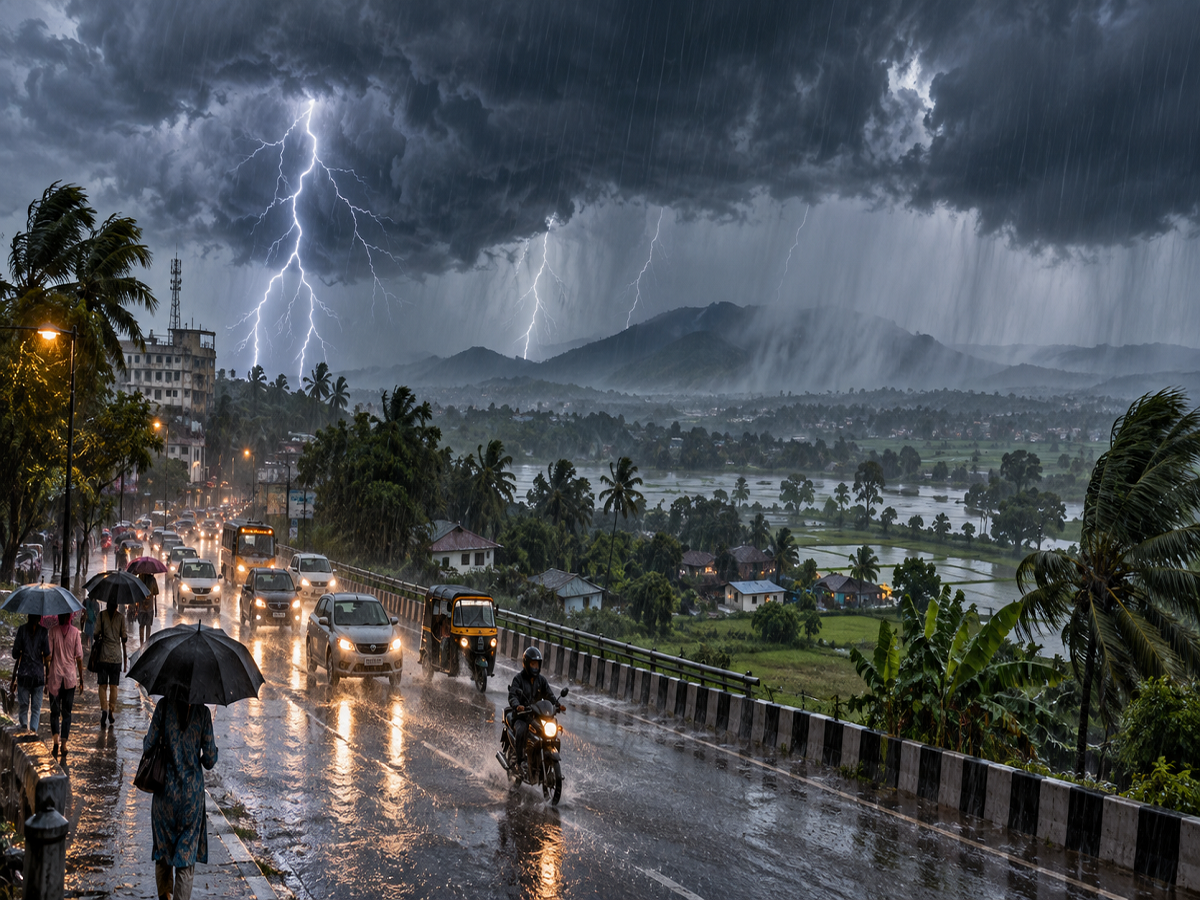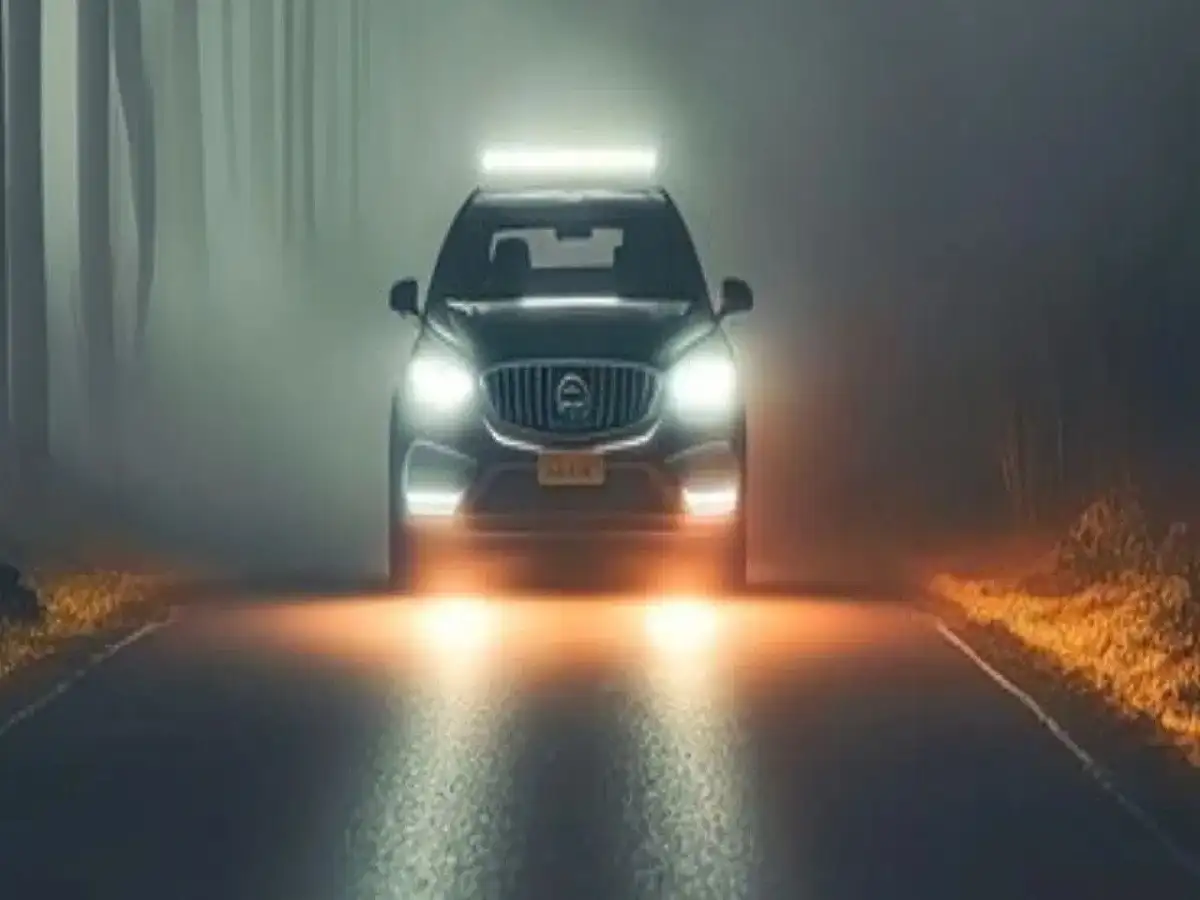
Night-time driving can become difficult when a vehicle approaching from the opposite direction uses an excessively bright high beam. The sudden glare can temporarily make it harder for another driver to see the road clearly, particularly on dark stretches, highways and roads with limited street lighting.
To address concerns surrounding headlight glare and improve visibility for road users, the Ministry of Road Transport and Highways (MoRTH) has proposed changes to the Central Motor Vehicles Rules. The proposed measures focus on headlight intensity, automatic headlight settings, light colour temperature and visibility markings on heavy vehicles.
These changes are proposals and should not be confused with rules that have already come into force. Here are the key points included in the proposed framework.
1. New Two-Wheelers May Keep Automatic Headlights on Low Beam
Automatic Headlight On (AHO) has been a feature associated with two-wheelers, allowing the headlamp to remain switched on while the vehicle is running.
Under the proposed changes, newly manufactured two-wheelers equipped with AHO would be required to operate the headlight in low-beam mode.
The idea behind this proposal is to reduce the amount of direct glare faced by drivers and riders coming from the opposite direction. Instead of allowing the automatic system to activate a high-beam setting, the headlight would remain on low beam when the AHO function is active.
The proposal is aimed at newly manufactured vehicles. It would not automatically mean that motorcycles already being used on Indian roads would need to be modified.
2. Lower Limits Could Be Introduced for Headlight Intensity
Another major part of the proposal concerns the maximum intensity of vehicle headlights.
Extremely powerful headlights can produce significant glare for other road users, especially at night. To address this issue, the proposed limits would reduce the maximum permissible luminous intensity.
For two-wheelers, the proposed limit could be reduced from 150,000 candela to 100,000 candela.
For passenger cars and other four-wheelers, the proposed limit could move from 225,000 candela to 150,000 candela.
The objective is to control excessive brightness while maintaining sufficient illumination for the driver using the vehicle.
3. Maximum Colour Temperature Could Be Regulated
Modern cars and motorcycles increasingly use LED lighting systems that can produce a very bright white appearance. While such lighting can provide strong illumination, higher colour temperatures may contribute to discomfort or glare for other road users depending on the lighting system and conditions.
The proposed framework includes a maximum colour temperature of 6,500K for vehicle lighting.
Another proposed change concerns the positioning of the main-beam headlamp. Its mounting height would be aligned with the height requirements associated with the low-beam lamp.
The purpose of these measures is to improve control over how headlight illumination reaches the road and other road users.
4. Drivers Could Receive an Audio Reminder When Using High Beam in Urban Areas
The proposed changes also address unnecessary use of high beam in cities and other areas where vehicles frequently approach each other at relatively short distances.
A speed-sensitive audio warning system could be introduced to remind drivers to switch from high beam to low beam under specified conditions.
For example, when a vehicle is travelling in an urban or congested environment with its high beam switched on, the system could produce an audible alert. The intention would be to remind the driver that low beam is more appropriate in such conditions.
The proposed system could operate differently at higher speeds. At speeds above 60 km/h, the warning may remain inactive, taking into account situations such as highway driving where the use of high beam can sometimes be necessary.
The exact operation and implementation would depend on the final regulatory requirements.
5. Reflective Markings Could Become Mandatory on Heavy Vehicles
The proposal also focuses on trucks, buses and other heavy commercial vehicles.
At night, during fog or in poor weather, large vehicles can sometimes be difficult to identify from a distance. Reflective markings can make the outline of a stationary or moving vehicle more visible when illuminated by the headlights of another vehicle.
Under the proposed measures, certified reflective tape or markings could be required on heavy commercial vehicles.
Such markings are intended to improve the visibility of trucks and buses, particularly during darkness and reduced-visibility conditions.
The potential benefits include:
- Making heavy vehicles easier to identify at night
- Improving their visibility in fog and adverse weather
- Giving following drivers an earlier indication of a large vehicle ahead
- Helping other road users recognize the vehicle's position and dimensions
Why Are Headlight Regulations Being Discussed?
Headlight glare is a road-safety concern because excessive brightness or inappropriate high-beam use can temporarily affect the vision of an approaching driver. This can become particularly challenging on undivided roads where vehicles travel toward each other in opposite directions.
The proposed measures take a broader approach rather than focusing only on driver behavior. They include possible changes to vehicle lighting systems, brightness limits, colour temperature, automatic headlight operation and visibility equipment for heavy vehicles.
For motorists, the key point is that these are proposed regulatory changes, not a blanket requirement that every existing vehicle must immediately undergo modifications.
Until any proposal is formally notified and brought into effect, vehicle owners should continue following the applicable traffic and vehicle regulations. Regardless of the final rules, using high beam responsibly and switching to low beam when approaching other road users remains an important part of safe night driving.