
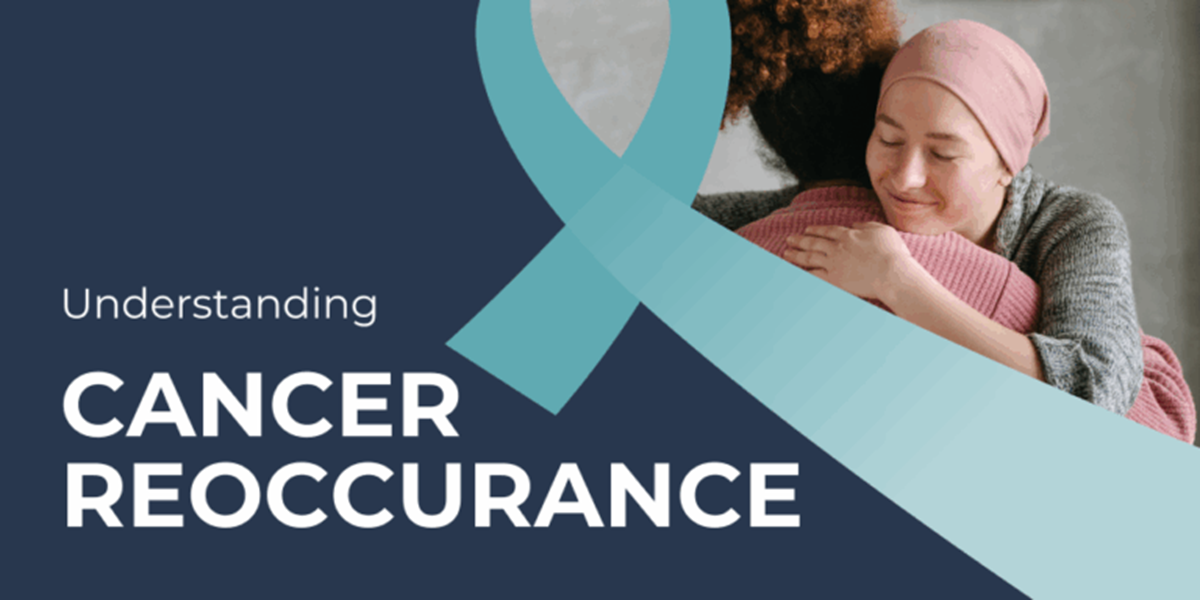
Cancer Recovery: Doctors describe cancer recurrence in different ways, depending on its location. The first is local recurrence, where the same type of cancer returns in the same location.
Why does cancer return?
Recurrent Cancer Symptoms: After cancer treatment is complete, the biggest concern for patients and families is whether the disease will return. But is there a set time for cancer to return? The answer is no. In some cases, cancer can return within a few months of treatment, while some patients show no signs of the disease for years. One such case has come to light, in which a patient was cancer-free for nearly 10 years before being struck down by the disease again.
This patient, who had been diagnosed with retinoblastoma (retinal cancer) in both eyes since childhood, developed a new cancerous lesion in her leg bone nearly a decade later. This return of the cancer after a long period of disease-free life made the case unique. Doctors at AIIMS, New Delhi, diagnosed it as metastatic retinoblastoma. After conventional treatment options failed to yield the desired results, radiotherapy was used. This treatment successfully eliminated the cancer's activity and preserved the patient's leg's ability to function.
Cancer reappeared after 10 years.
According to Dr. Daya Sharma of AIIMS, the patient was diagnosed with cancer in both eyes as a child. Subsequently, she underwent various treatments, including enucleation (surgical removal of the affected eye) and body-wide chemotherapy. Following treatment, the disease was controlled, and the patient remained cancer-free for approximately 10 years. During this time, the cancer did not recur. However, approximately a decade later, a new lesion was discovered in the leg bone. After investigation, it was diagnosed as metastatic retinoblastoma.
There is no fixed time for cancer to return.
According to the Health Information Organization Cleveland Clinic, there is no set time for cancer to return. It depends on many factors, including the type of cancer, initial treatment, and the patient's condition. Some cancers may return quickly, while in others, the disease may reappear after many years. If cancer returns, doctors may recommend treatment based on the patient's condition. Some patients may live with recurrent cancer for many years.
How many types of cancer recurrence are there?
Doctors treat cancer recurrence differently depending on its location. The first is local recurrence, where the same type of cancer returns in the same location as the initial cancer. The second is regional recurrence, where the cancer returns in lymph nodes or other tissues surrounding the initial tumor. Certain types of cancer may be more likely to experience this type of recurrence. The third is distant recurrence, where cancer originating from the initial tumor spreads to a distant organ or tissue. For example, lung cancer can affect the brain if it returns.
Which cancers can recur?
Any type of cancer can recur. However, it's difficult to determine which cancers are most likely to recur. Some research has found higher rates of recurrence in ovarian cancer, metastatic melanoma, and peripheral T-cell lymphoma. However, cancer recurrence rates cannot be viewed as a fixed figure. They can vary depending on many factors, such as the type of cancer and initial treatment. Therefore, it's important to consult a doctor to determine the likelihood of recurrence in a given patient.
What symptoms may appear if the cancer returns?
Symptoms of cancer recurrence can vary from person to person. Many common health problems can mimic cancer symptoms. Therefore, it's not a good idea to assume that cancer has returned based on any symptoms.
If initial cancer-like symptoms reappear, a lump or swelling is felt in the same area, persistent pain, or a cough that doesn't go away, you should consult a doctor. Additionally, unexplained weight loss, unusual bleeding or easy bruising, persistent fever, frequent headaches, difficulty breathing, blood in urine or stool, nausea and vomiting, or difficulty swallowing may also be symptoms that may require investigation.
Why does cancer return after treatment?
Cancer cells change over time. Sometimes, it's not possible to identify and eliminate all cancer cells during treatment. For example, even after surgical removal of a tumor, some very small cells may remain in the body, making it difficult to detect at the time. If these cells continue to grow after treatment, a subsequent diagnosis may reveal a recurrence of the cancer. In some cases, treatment does not affect all cancer cells equally.
How is the cancer diagnosed if it returns?
Doctors may perform a variety of tests to diagnose recurrent cancer. These may include blood tests, CT scans, MRIs, and PET scans. In some cases, a urine test is also performed. If necessary, a doctor may also perform a biopsy. This involves removing a small sample of tissue from the affected area and examining it under a microscope. In some cases of blood cancer, tests such as a bone marrow biopsy or immunophenotyping may also be performed.
What is the treatment if cancer recurs?
Treatment is tailored to the patient's condition. Doctors may repeat the previous treatment, perform surgery to remove the new tumor, or administer a different type of chemotherapy. In some cases, options such as targeted treatment or immunotherapy may also be used. Treatment decisions are made based on the type of cancer, the timing and location of the recurrence, and the patient's overall health. Cancer that returns soon after treatment can sometimes be more difficult to manage.
What is the hope for recurrent cancer?
The prognosis for recurrent cancer can vary from patient to patient. The type of cancer, the response to treatment, the side effects experienced during treatment, and the patient's general health all influence the course of treatment and outcome.
In such a situation, it is crucial that patients discuss their condition and treatment options in detail with their doctor. Eating right, getting enough sleep, and engaging in physical activity as advised by your doctor can also be important when living with cancer. Palliative care, if needed, can also help manage symptoms and side effects of treatment.