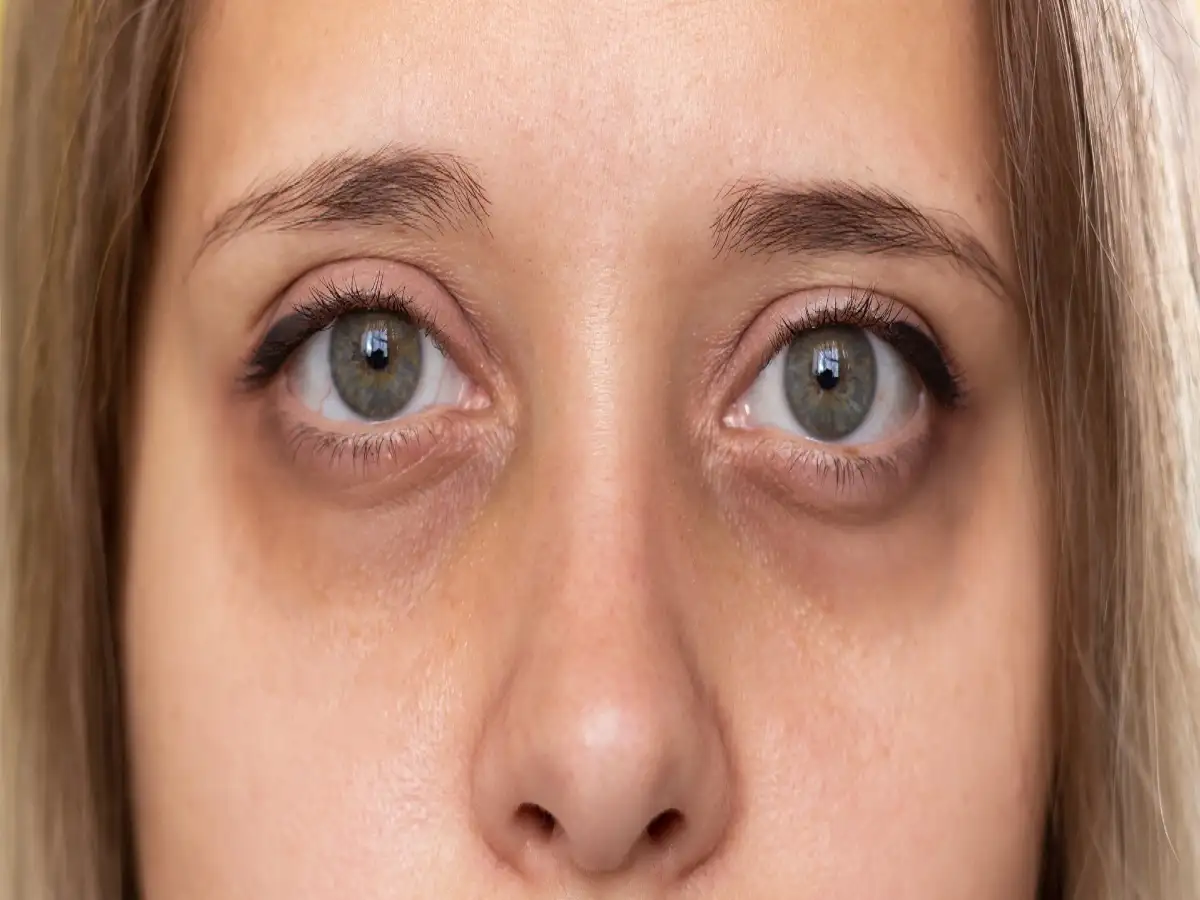
High Cholesterol in Thin People: High cholesterol is often associated with being overweight or obese, but body size alone cannot determine whether your cholesterol levels are healthy. A person who appears slim or maintains a normal weight can still have elevated LDL cholesterol and face an increased risk of cardiovascular disease.
Genetics, dietary habits, physical activity, smoking and certain medical conditions can all influence cholesterol levels. In fact, some people may have significantly high cholesterol despite exercising regularly and maintaining a healthy-looking body weight.
This is one reason cholesterol should not be judged by appearance. A blood test known as a lipid profile is used to measure cholesterol and triglyceride levels and provide a clearer picture of cardiovascular risk.
What Is Cholesterol?
Cholesterol is a waxy, fat-like substance that the body needs for several essential functions. It contributes to the formation of cell membranes and is involved in producing certain hormones and other important substances.
Cholesterol itself is therefore not automatically harmful.
The concern arises when certain types of cholesterol become too high or the overall lipid profile becomes unhealthy.
Cholesterol travels through the bloodstream in particles called lipoproteins. Two terms commonly seen in blood-test reports are LDL and HDL cholesterol.
LDL is often called "bad cholesterol" because high levels can contribute to plaque formation inside arteries. HDL is commonly described as "good cholesterol" because it helps transport cholesterol away from the bloodstream for processing by the body.
Why Is High LDL Cholesterol a Concern?
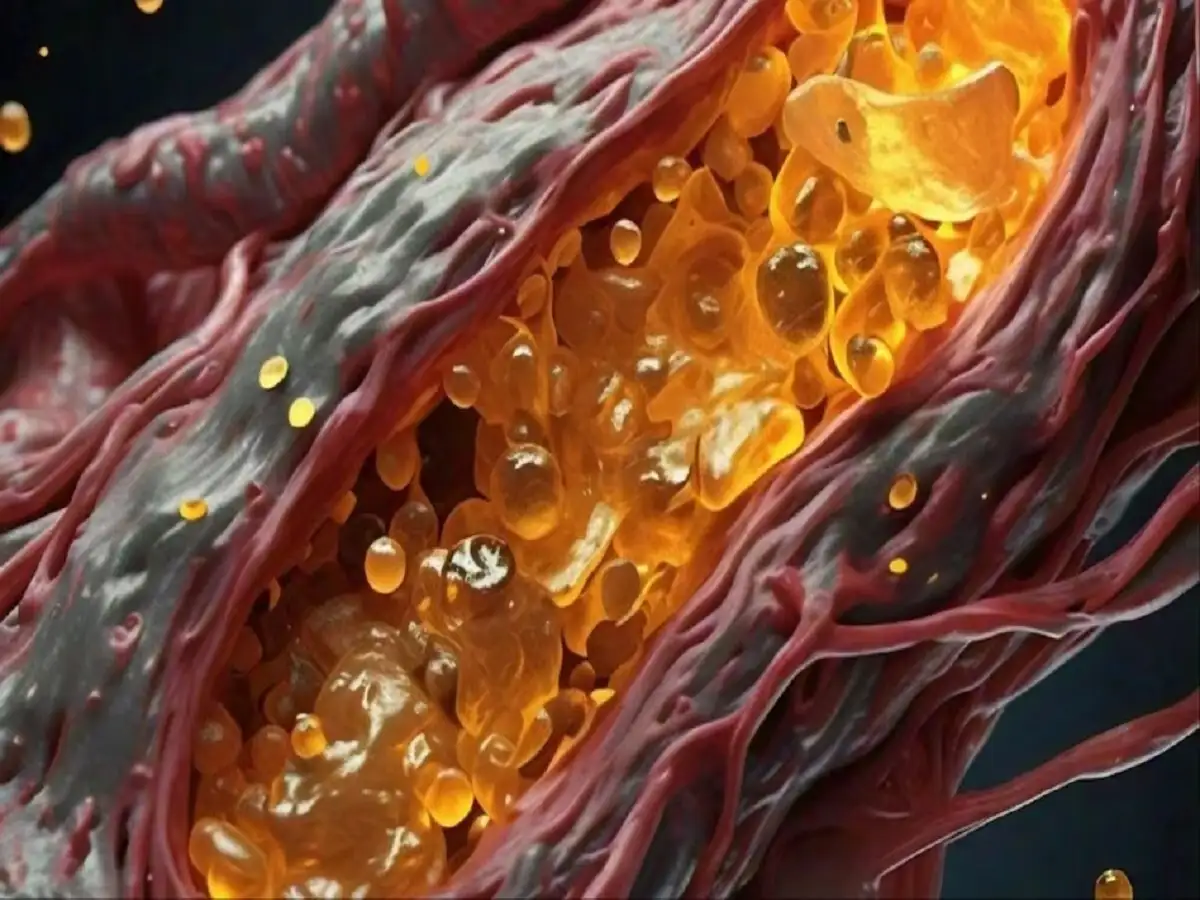
When LDL cholesterol remains elevated over time, cholesterol-containing deposits can accumulate inside artery walls.
This process, known as atherosclerosis, can cause arteries to become narrower and less flexible. As plaque builds up, blood flow can become restricted.
If a plaque ruptures and a blood clot forms, it may block blood supply to vital organs. Depending on where the blockage occurs, this can contribute to a heart attack or stroke.
Because high cholesterol often causes no obvious symptoms, many people do not know they have it until they undergo a blood test.
1. Genetics Can Cause High Cholesterol in Thin People
One of the most important reasons a slim person may have high cholesterol is genetics.
Some people inherit genetic changes that interfere with the body's ability to remove LDL cholesterol efficiently from the bloodstream.
A well-known inherited condition is familial hypercholesterolemia (FH). People with FH can develop very high LDL cholesterol levels even if they are young, physically active and not overweight.
Because the condition runs in families, a history of very high cholesterol or premature heart disease among close relatives can be an important clue.
People with a strong family history should discuss appropriate cholesterol screening with a healthcare professional rather than assuming that a healthy body weight eliminates their risk.
2. An Unhealthy Diet Can Affect Cholesterol Regardless of Weight
Being thin does not necessarily mean someone follows a heart-healthy diet.
A person may remain slim because of genetics, metabolism or overall calorie intake while still consuming foods high in saturated or trans fats.
Frequently eating fried foods, highly processed snacks, certain baked products and other foods rich in unhealthy fats can negatively affect cholesterol levels.
A diet high in added sugars and refined carbohydrates may also contribute to elevated triglycerides and other metabolic problems.
For heart health, the overall quality of the diet matters—not simply whether a person's weight changes after eating certain foods.
3. Lack of Exercise Can Be a Risk Even for Slim People
Someone may have a normal BMI but still spend most of the day sitting.
Office work, long commutes, television viewing and excessive screen time can result in very low levels of physical activity.
Regular exercise supports cardiovascular health and can positively influence several risk factors, including blood pressure, blood sugar, triglycerides and HDL cholesterol.
Therefore, exercise should not be viewed only as a tool for losing weight. Physical activity has health benefits even for people who have no need to reduce their body weight.
4. Smoking Can Damage the Heart and Blood Vessels
Smoking is a major cardiovascular risk factor regardless of a person's weight.
Tobacco smoke can damage blood vessels and contribute to processes involved in atherosclerosis. Smoking can also negatively affect the balance of blood lipids and significantly increases the overall risk of cardiovascular disease.
A person who is slim but smokes should not assume that body weight offsets the cardiovascular effects of tobacco use.
Avoiding smoking and tobacco exposure is an important part of protecting heart health.
5. Stress Can Indirectly Affect Heart Health
Chronic stress is another factor worth considering.
Stress does not affect everyone in the same way, but prolonged stress can influence sleep, physical activity, food choices, alcohol consumption and smoking habits.
These behavioural changes may indirectly worsen cardiovascular risk.
Regular exercise, sufficient sleep, relaxation techniques and maintaining social connections can help some people manage everyday stress. Persistent or overwhelming stress may warrant professional support.
Other Health Conditions Can Affect Cholesterol
Lifestyle and genetics are not the only possible explanations for abnormal cholesterol.
Certain health conditions and medications can influence lipid levels. For example, thyroid problems, diabetes and some kidney or liver disorders may affect cholesterol or triglycerides.
This is why an unexpected cholesterol result should be discussed with a healthcare professional rather than treated solely through self-directed dietary changes.
A doctor can determine whether additional testing is needed based on the person's overall health and medical history.
High Cholesterol Usually Has No Clear Symptoms
One of the biggest misconceptions about cholesterol is that you can somehow "feel" when it becomes high.
For most people, elevated cholesterol does not produce obvious symptoms. Someone may feel healthy, exercise regularly and maintain a normal weight while still having an abnormal lipid profile.
This makes screening particularly important.
A lipid profile blood test typically measures total cholesterol, LDL cholesterol, HDL cholesterol and triglycerides. Healthcare professionals interpret these numbers alongside other factors such as age, blood pressure, diabetes, smoking history and family history.
How Can You Support Healthy Cholesterol Levels?
A heart-friendly lifestyle is useful regardless of body size.
Eating more vegetables, fruits, whole grains, legumes, nuts and appropriate sources of protein can support overall cardiovascular health. Limiting foods high in saturated and trans fats can also be helpful.
Regular physical activity, avoiding tobacco, maintaining healthy sleep habits and managing conditions such as diabetes and high blood pressure are also important.
Some people with very high LDL cholesterol or elevated cardiovascular risk may require medication in addition to lifestyle changes. Treatment should be determined by a qualified healthcare professional.
Don't Judge Heart Health by Body Weight Alone
A slim waistline should not be treated as proof of excellent cardiovascular health.
Body weight is only one piece of a much larger health picture. Cholesterol levels, blood pressure, blood sugar, smoking status, physical activity and family history can all influence the risk of heart disease.
People who appear thin can still have high LDL cholesterol, particularly when genetic or metabolic factors are involved.
The most reliable way to know your cholesterol levels is through appropriate testing. If your results are abnormal, discuss them with a healthcare professional who can assess your overall cardiovascular risk and recommend suitable next steps.
Disclaimer: This article is intended for general information only and is not a substitute for medical advice, diagnosis or treatment.