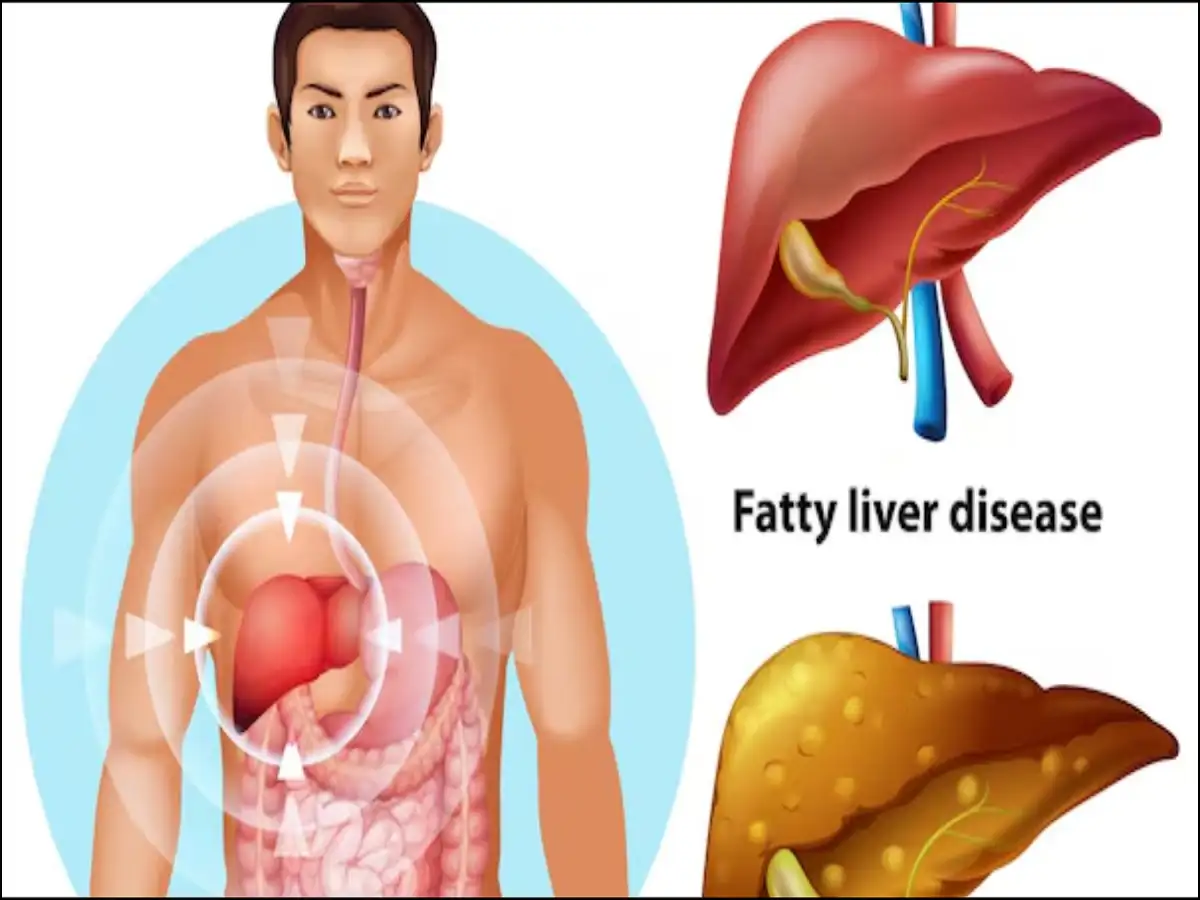
Fatty liver is increasingly being seen among younger adults, with unhealthy eating habits, sedentary lifestyles and excessive consumption of processed foods contributing to the problem. The condition occurs when too much fat accumulates inside the liver. While it may not cause noticeable symptoms in the early stages, ignoring it can increase the risk of more serious liver-related complications.
This raises an important question: Can fatty liver get better without medication?
In some cases, particularly during the early stages, lifestyle changes can significantly improve liver health and may help reduce excess fat in the liver. However, the outcome depends on the underlying cause, the severity of the condition and the individual's overall health. Anyone diagnosed with fatty liver should therefore discuss their condition with a healthcare professional rather than relying solely on self-treatment.
Can Lifestyle Changes Reverse Fatty Liver?
For people with mild or early-stage fatty liver, improving diet, becoming more physically active and managing excess weight can make a meaningful difference.
The liver responds to long-term changes in eating and activity patterns. However, improvement generally takes time. There is no reliable overnight solution, and extreme diets or unverified remedies should not be considered a substitute for proper medical care.
If excess body weight is contributing to fatty liver, gradual and sustainable weight loss may help reduce fat accumulation in the liver. The goal should be to build healthier habits rather than following crash diets that are difficult to maintain.
Focus on a Balanced Diet
Diet plays a major role in maintaining liver health. A person with fatty liver should pay attention not only to how much they eat but also to the nutritional quality of their meals.
Some practical dietary changes include:
- Reduce fast food and heavily processed foods.
- Limit deep-fried and very high-fat meals.
- Cut down on foods and drinks containing large amounts of added sugar.
- Include plenty of vegetables in daily meals.
- Add fruits in appropriate portions.
- Include pulses, beans and other nutritious sources of protein.
- Prefer whole grains and high-fibre foods where suitable.
- Avoid regularly consuming more calories than the body needs.
Instead of eliminating entire food groups, it is generally better to build a balanced eating pattern that provides adequate protein, fibre, vitamins and minerals.
Physical Activity Can Support Liver Health
Dietary improvements work best when combined with regular physical activity. Exercise can help manage body weight and may also support reductions in liver fat.
People should choose activities that match their fitness level and health status. Options may include brisk walking, cycling, swimming or other forms of regular exercise.
The important point is consistency. Even moderate activity performed regularly can be more sustainable than occasional intense workouts.
People who have been inactive for a long time should gradually increase their activity level and seek medical advice if they have an existing health condition that could affect exercise.
Avoid Crash Diets and Unverified Remedies
When people learn that they have fatty liver, they may be tempted to lose weight very quickly or try supplements and home remedies advertised as liver cleanses.
Rapid weight-loss programmes are not necessarily safer or more effective. Similarly, herbal products and supplements should not automatically be considered harmless simply because they are marketed as natural.
A sustainable eating plan, regular activity and professional medical guidance are safer approaches.
Who Should Take Medical Advice?
Lifestyle changes can be helpful, but they are not appropriate as the only approach for every person with fatty liver.
Medical evaluation becomes particularly important when fatty liver occurs alongside conditions such as diabetes, obesity, high cholesterol or abnormal liver enzyme levels. Doctors may also recommend further assessment when there is concern about liver inflammation or fibrosis.
Depending on the individual's situation, a healthcare professional may recommend blood tests, imaging or additional examinations to understand the condition and monitor progress.
Some patients may require medication or other treatment in addition to lifestyle modifications. Therefore, prescribed treatment should not be stopped or replaced with dietary changes without discussing it with a doctor.
The Bottom Line
Fatty liver should not be ignored, but an early diagnosis also provides an opportunity to make meaningful lifestyle improvements. For some people with mild disease, gradual weight management, a nutritious diet and regular exercise may help reduce liver fat and improve overall metabolic health.
The key is to make changes that can be followed consistently rather than looking for a quick fix. If you have been diagnosed with fatty liver or have risk factors for liver disease, speak with a qualified healthcare professional about the most appropriate plan for you.
Disclaimer: This article is intended for general awareness and does not replace professional medical advice, diagnosis or treatment.