NEWS
Can a phone be charged simultaneously using a wireless and wired charger? Knowing this won't hurt.
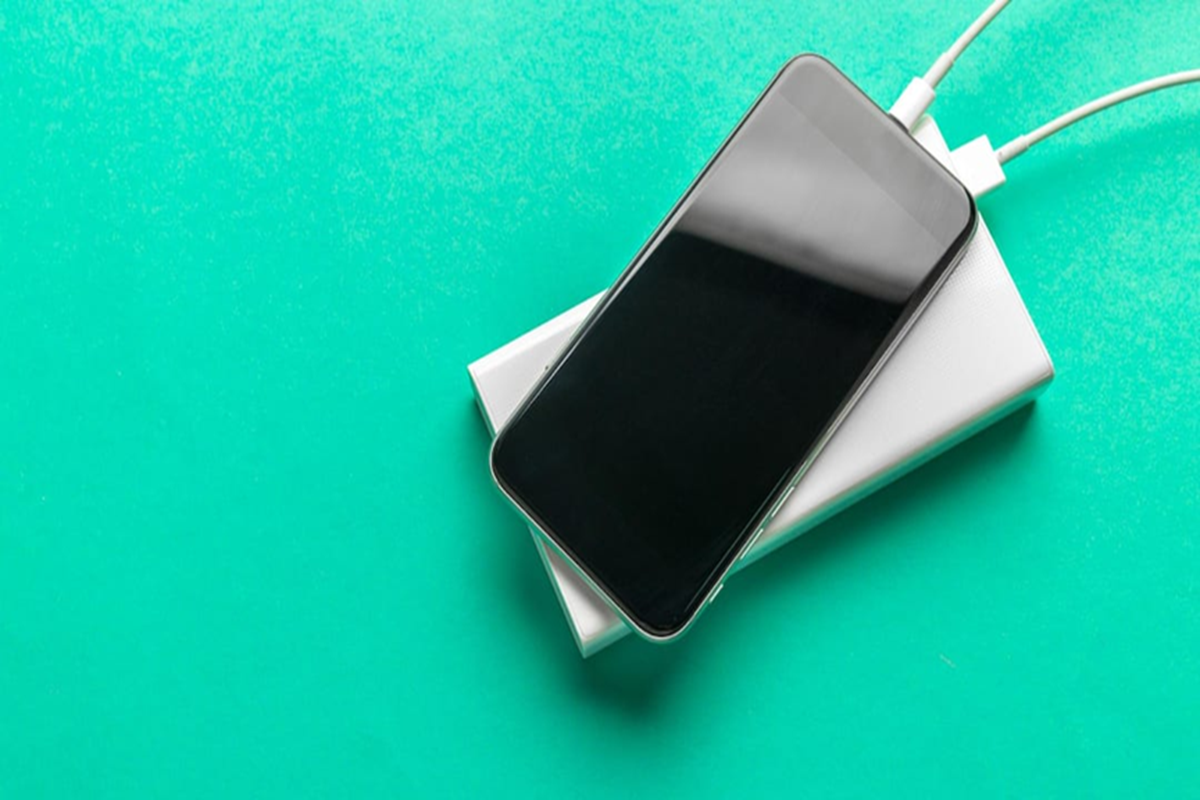
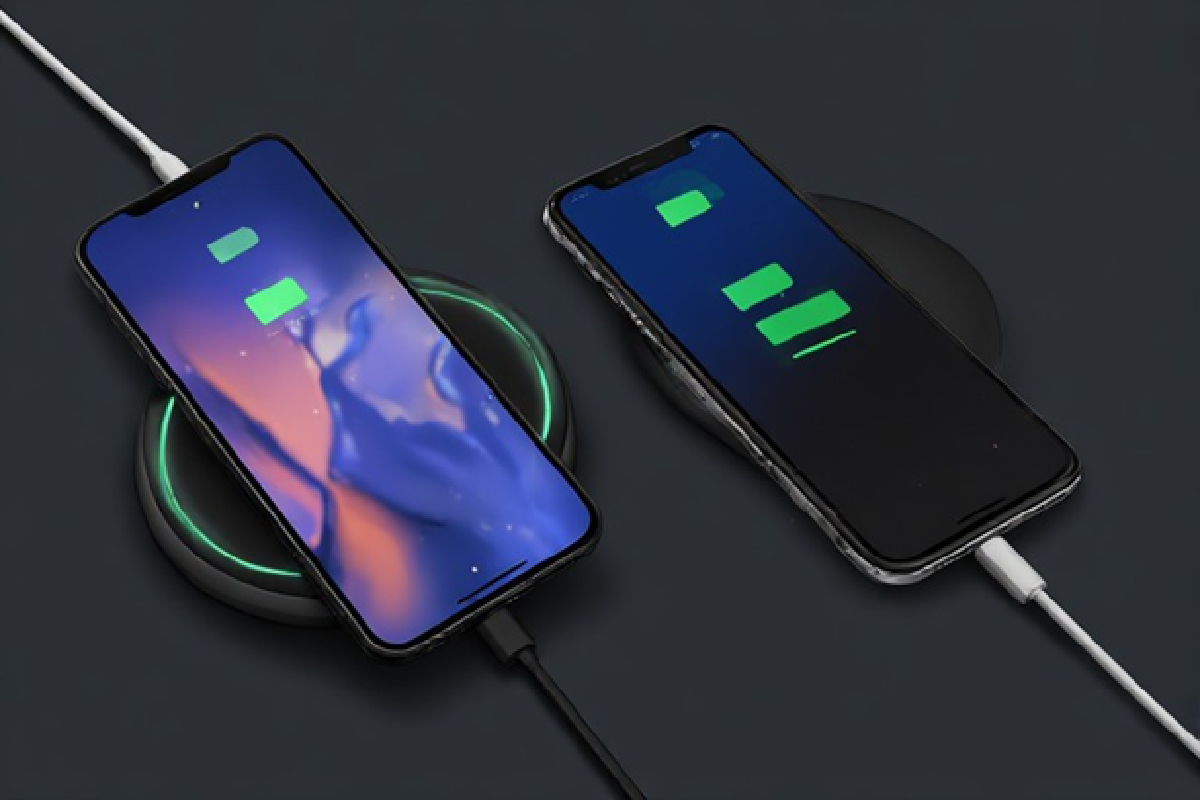
Wireless Charging and Wired Charging: What if your phone is charged using two different methods at once? In such a situation, the phone will prefer wired charging. However, this should be avoided.
Wireless Charging And Wired Charging: Can the phone be charged in two ways simultaneously?
Wireless Charging and Wired Charging: Have you ever wondered what would happen if you charged your phone simultaneously using a wireless and wired charger ? Some might think it would harm you, while others might think it would charge your phone faster! You may not have considered this before, but if you are now, you should avoid doing it. In fact, a phone cannot be charged using two methods at once. Let's explore what could happen if you do this.
Can the phone be charged in two ways simultaneously?
A phone can't be charged using two methods simultaneously. In fact, most phones prefer wired charging. This means that if you connect your phone to a wired charger after placing it on a charging pad, it will draw power from the wired charger. This is because wired chargers are faster and more efficient. Now, the question arises: how does the phone detect this? Power management circuitry is built into the phone. When it detects a wired connection, it disables the wireless charging coil. This prevents damage to internal components and prevents the phone from overheating.
It could be dangerous to try.
Trying to charge your phone simultaneously with a wired and wireless charger can be dangerous. This can generate heat, which can damage the phone's battery. Therefore, this should be avoided. If you have both wired and wireless charging options, always choose the former. Wired charging is more efficient and charges the battery faster. It reduces energy loss and does not impact the battery.
Why is heat generated in wireless charging?
The charging pad of a wireless charger has a transmitter coil that creates an alternating current (AC) magnetic field. When a device is placed on this charging pad, its receiver coil converts that current to DC and transfers it to the battery. However, in this process, the charging pad's full power doesn't reach the battery. Therefore, that power is converted into heat, which is why heat is generated during this charging process. Therefore, it should be avoided as a primary charging method.