Using a Higher-Watt Charger Doesn't Always Mean Faster Charging—Here's How Modern Smartphones Actually Manage Power
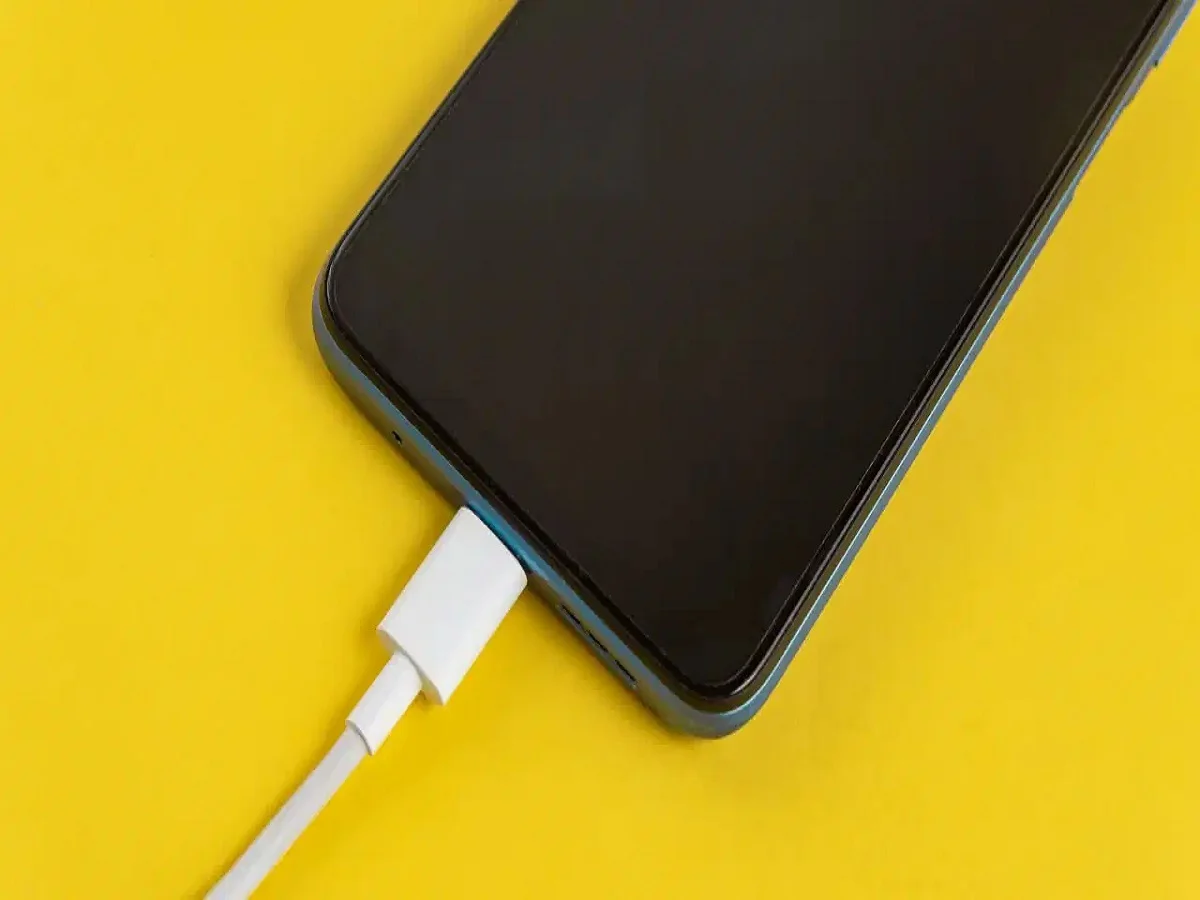
In today's fast-paced world, running out of battery while away from home is a common problem. Whether you're at work, traveling, visiting friends, or attending meetings, borrowing a phone charger has become routine. With USB Type-C chargers now widely used across smartphones, many people often plug their devices into chargers with much higher power ratings than their own.
This raises an important question: Will a smartphone that supports 18W fast charging charge more quickly if it is connected to a 60W charger?
The answer may surprise many users.
Can You Safely Use a 60W Charger With an 18W Smartphone?
In most cases, yes.
Modern smartphones are designed with intelligent charging technology that allows them to communicate with compatible chargers before drawing power. Rather than accepting the charger's maximum output, the phone requests only the amount of power it is designed to handle.
For example, if your smartphone supports a maximum charging speed of 18 watts, connecting it to a 60W charger does not automatically increase the charging speed.
Instead, the phone limits power intake to its supported level, ensuring safe and controlled charging.
Does a Higher-Watt Charger Damage the Battery?
Generally, no.
A common misconception is that a powerful charger constantly pushes its maximum wattage into the connected device. In reality, modern chargers simply make higher power available—they do not force the device to use it.
The charging controller inside the smartphone determines how much electricity is required based on battery condition, charging protocol, and hardware capability.
As a result:
- The phone charges only at its maximum supported speed.
- The battery is protected from excessive power intake.
- Using a higher-capacity charger alone does not reduce battery life under normal conditions.
This intelligent power management is one of the key safety features built into today's smartphones.
Why Voltage Compatibility Matters More Than Wattage
While higher wattage is generally not a concern, using the correct voltage remains essential.
Smartphones are designed to operate within specific voltage ranges defined by their charging standards. Certified chargers automatically negotiate the appropriate voltage and current before charging begins.
Problems are more likely to occur when users rely on low-quality, uncertified, or counterfeit chargers that do not follow recognized charging protocols.
For this reason, choosing a charger that supports standard technologies such as USB Power Delivery (USB PD) or other manufacturer-approved fast-charging protocols is far more important than simply looking at the wattage rating.
Tips for Charging Your Smartphone Safely
To help protect your battery and maintain long-term performance, consider these best practices:
- Use the original charger supplied by the manufacturer whenever possible.
- If the original charger is unavailable, choose a certified replacement from a trusted brand.
- Make sure the charger supports your phone's required charging protocol and voltage.
- Avoid using counterfeit or poorly made charging accessories.
- Pair the charger with a high-quality USB cable capable of handling the required charging speed.
- Replace damaged cables or chargers immediately if they show signs of wear, overheating, or loose connections.
- Avoid exposing your phone to excessive heat while charging, as high temperatures can affect battery health over time.
Will a Bigger Charger Make Your Phone Charge Faster?
The simple answer is not necessarily.
A charger can only deliver the maximum power that the smartphone is capable of accepting. If a phone supports 18W charging, connecting it to a 45W, 60W, or even 100W charger will not increase the charging speed unless the device itself supports those higher charging levels.
The extra capacity simply remains unused.
However, a higher-watt charger can still be convenient if you own multiple devices. It can safely charge smartphones, tablets, laptops, and accessories that require different power levels, making it a versatile option for everyday use.
Bottom Line
Using a higher-watt USB-C charger with a smartphone that supports lower charging speeds is generally safe, provided the charger is genuine, certified, and compatible with standard charging protocols. The phone's built-in charging system controls how much power is drawn, preventing unnecessary stress on the battery.
Rather than focusing solely on wattage, users should prioritize charger quality, voltage compatibility, and certified accessories to ensure efficient, reliable, and safe charging over the long term.