LIFESTYLE
Buying a New Budget Smartphone? It May Still Come With Older Hardware—Here's What to Check
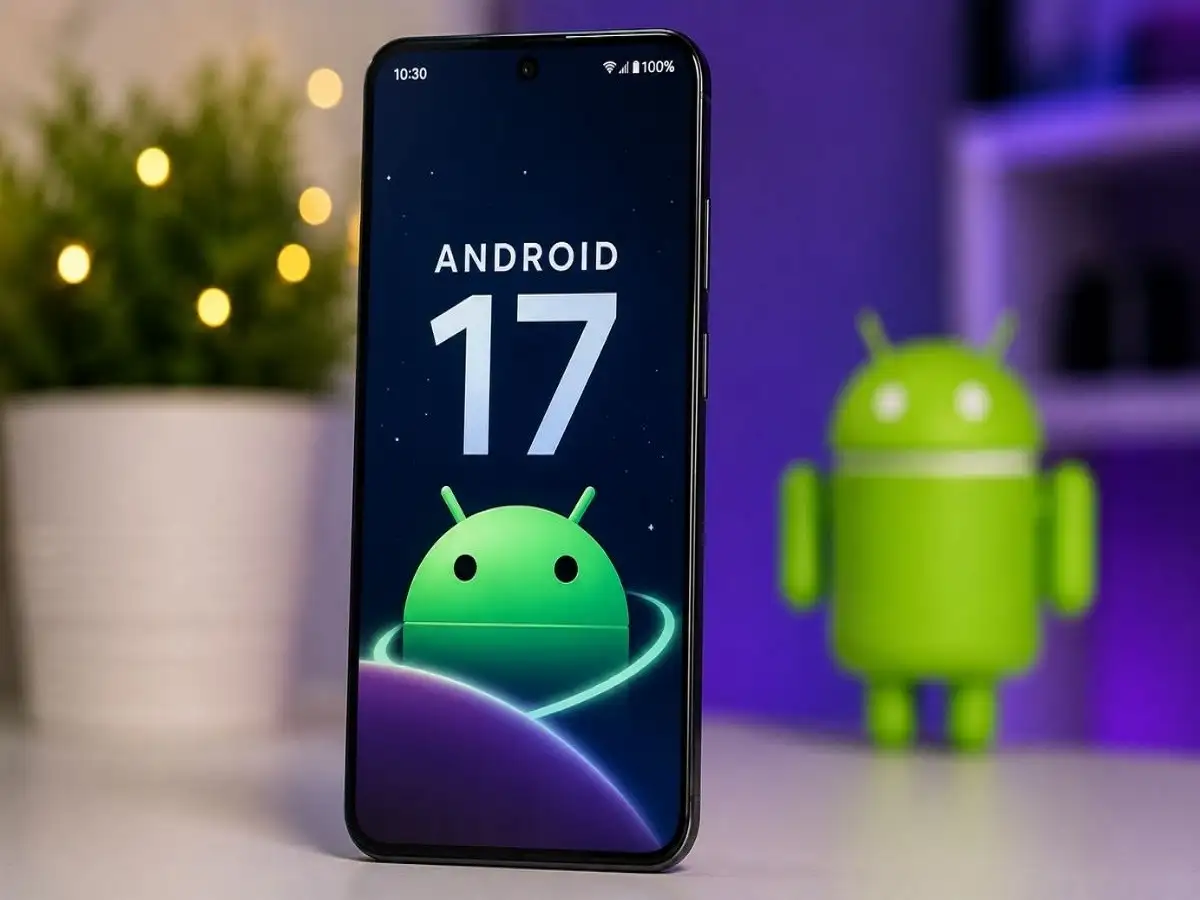
Smartphone prices have been steadily rising in recent years, driven by higher component costs, supply chain challenges, and increased demand for advanced hardware. As manufacturing expenses continue to climb, many consumers are postponing phone upgrades, particularly in the budget and mid-range segments.
To keep prices competitive without significantly reducing profit margins, smartphone brands are increasingly making compromises on internal hardware. As a result, many newly launched budget Android phones may look modern on the outside but continue to use older components inside.
If you're planning to buy a new smartphone, here's what you should know before making your decision.
Rising Component Costs Are Affecting Smartphone Prices
The cost of manufacturing smartphones has increased due to several factors, including:
- Higher prices of memory chips.
- Increased costs of processors, displays, and other key components.
- Ongoing supply chain challenges affecting hardware availability.
These factors have pushed smartphone prices higher, leading many buyers to delay replacing their existing devices. Budget and mid-range phones have been particularly affected as manufacturers try to balance affordability with profitability.
New Phones May Still Use Older Processors
One of the most common cost-saving measures involves the smartphone processor, also known as the System-on-Chip (SoC).
While flagship smartphones continue to feature the latest Qualcomm and MediaTek chipsets, many devices priced below ₹40,000 may continue using processors introduced in previous generations.
This means buyers could experience:
- Minimal improvements in overall performance.
- Similar gaming capabilities compared to older models.
- Limited gains in battery efficiency.
- Only modest increases in processing speed.
Even when manufacturers introduce a newer chipset, the real-world performance difference may be relatively small, especially for everyday tasks.
Older Modems Could Affect Connectivity
Another component that often receives little attention is the wireless modem.
The modem is responsible for managing:
- 5G connectivity
- 4G network performance
- Wi-Fi communication
- Bluetooth connections
To reduce production costs, some smartphone brands may continue using older modem technology instead of the latest available versions.
Potential impacts include:
- Slower network performance in certain conditions.
- Weaker signal reception.
- Reduced call quality.
- Less efficient wireless connectivity.
Because modem specifications are rarely highlighted in product advertisements, many consumers may not realize these differences before purchasing a device.
LCD Displays May Return in Affordable Phones
Display quality is another area where manufacturers may look to reduce costs.
OLED panels have become increasingly common in smartphones priced up to around ₹40,000. However, in devices priced below ₹20,000, manufacturers may continue using—or return to using—LCD displays.
LCD panels remain less expensive to produce and help companies keep retail prices lower.
Compared with OLED displays, LCD screens may offer:
- Lower contrast levels.
- Less vibrant colours.
- Reduced black depth.
- Higher power consumption in certain scenarios.
For users who prioritize multimedia, gaming, or streaming, checking the display type before buying can be worthwhile.
Camera Specifications Can Be Misleading
High megapixel counts do not always translate into better photographs.
To keep costs under control, smartphone manufacturers may make compromises in camera hardware while still advertising impressive specifications.
Some common examples include:
- Additional 2 MP or 5 MP cameras that provide limited practical value.
- High-resolution sensors paired with physically smaller image sensors.
- Reduced low-light photography performance.
- Less accurate colour reproduction.
- Average image quality despite large megapixel numbers.
For instance, a smartphone may advertise a 50 MP or 64 MP primary camera, but if it uses a small image sensor, the overall photo quality may still fall short of expectations.
What Should Buyers Check Before Purchasing?
Rather than relying solely on marketing specifications, buyers should carefully compare the following features:
- Processor generation and benchmark performance.
- Display technology (OLED vs LCD).
- RAM and storage type.
- Camera sensor size in addition to megapixel count.
- Software update commitment.
- Battery capacity and charging speed.
- Wireless connectivity features, including Wi-Fi and 5G support.
Reading professional reviews and comparing real-world performance can provide a better picture than specification sheets alone.
The Bottom Line
As smartphone manufacturing costs continue to rise, brands are increasingly balancing affordability by reusing older hardware in some budget and mid-range models. While these devices may still perform well for everyday use, buyers should not assume that a newly launched phone automatically includes the latest processor, modem, display, or camera technology.
Before making a purchase, it is worth looking beyond the marketing headlines and reviewing the complete specifications. Understanding what hardware is actually inside the device can help you choose a smartphone that delivers better long-term value and performance for your needs.