NEWS
Big success of DRDO and Navy, successful test of Naval Anti-Ship Missile, know what its speciality is?
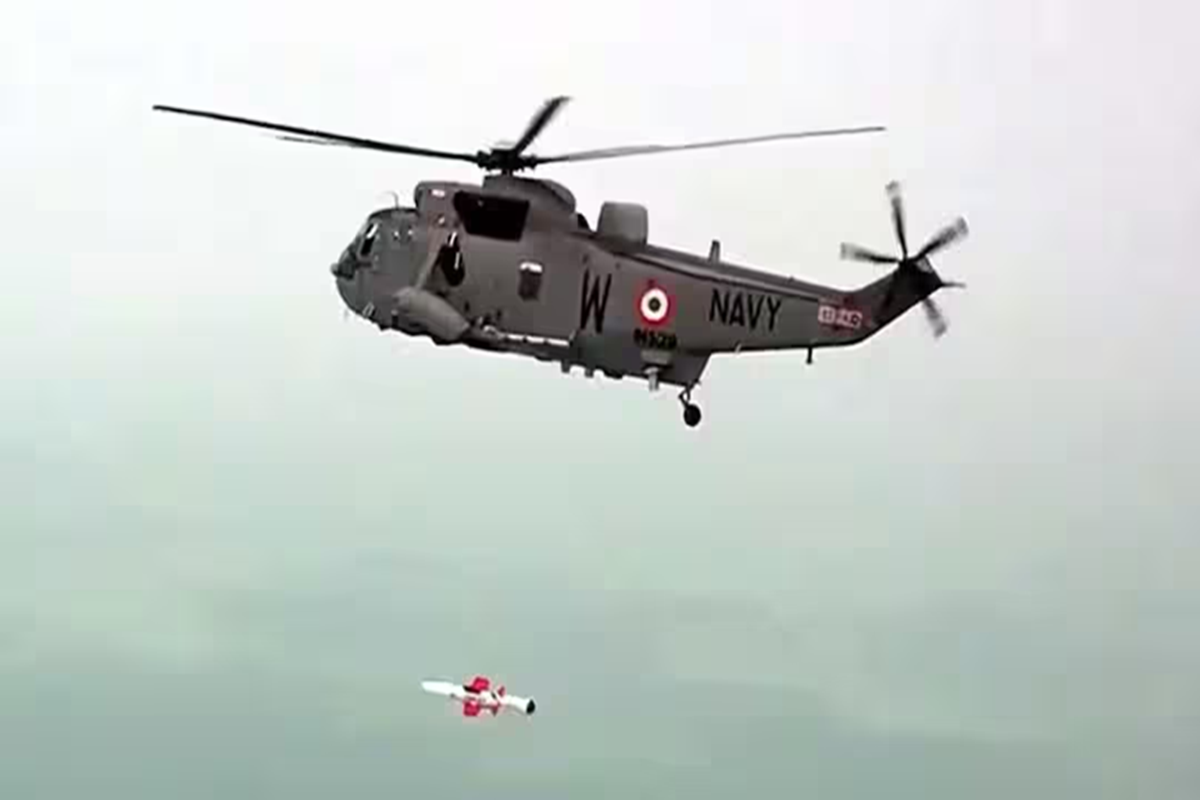
DRDO India: Defence Minister Rajnath Singh congratulated the Defence Research and Development Organisation, Indian Navy, Indian Air Force and partners of the Defence Production and Partnership Programme on this success.
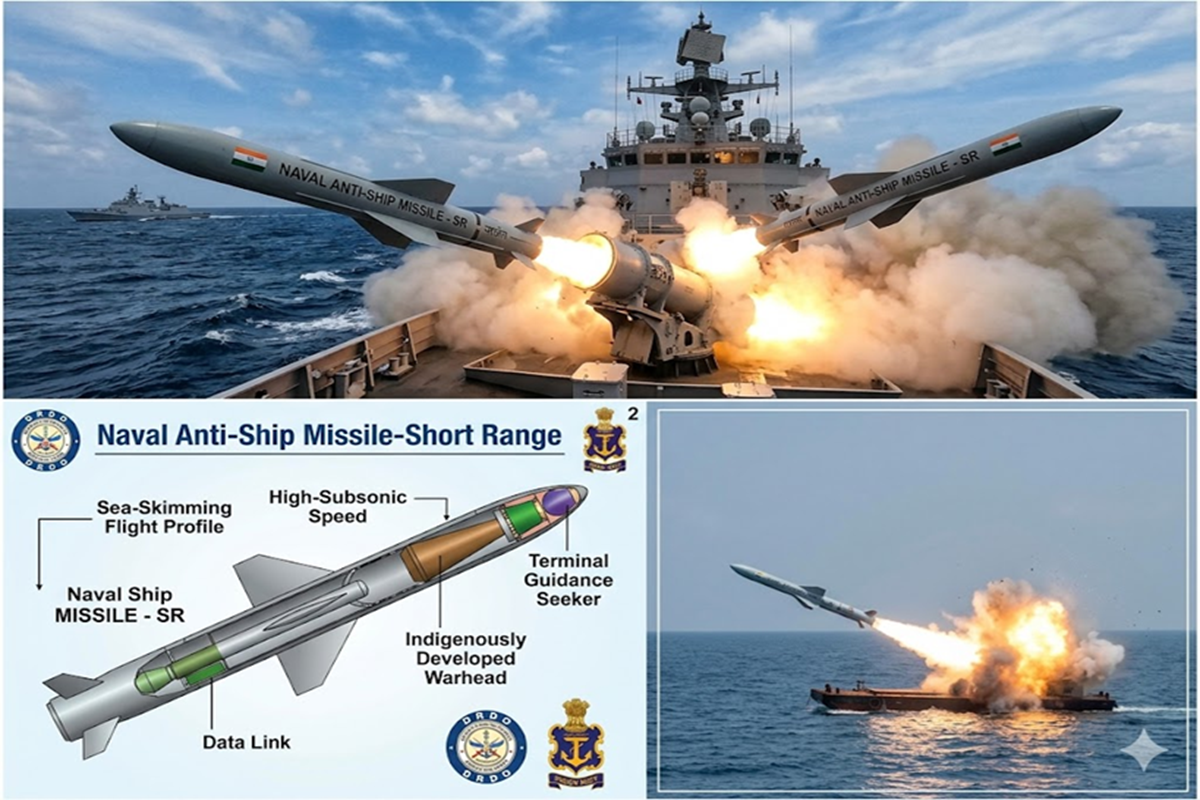
Naval anti-ship missile successfully test-fired
DRDO India: India has achieved a major breakthrough in the defense sector. DRDO and the Indian Navy have jointly conducted the first successful salvo launch of a Naval Anti-Ship Missile (Short Range). The test, conducted in the Bay of Bengal off the coast of Odisha, is considered a significant achievement for the country's military power.
The DRDO and the Indian Navy jointly conducted the first salvo launch of the Naval Anti-Ship Missile-Short Range (NASM-SR) from an Indian Navy helicopter platform. The test took place in the Bay of Bengal off the coast of Odisha, marking a major step forward for the country's defense capabilities.
Defense Minister congratulated
Defense Minister Rajnath Singh congratulated DRDO, the Indian Navy, the Indian Air Force, and the industry sector, including DCPP partners, on this success. He stated that the development of this missile will significantly enhance the capabilities of the armed forces and further strengthen the country's maritime security.
Major increase in defense capability
This successful test is being considered a major step forward in India's military capabilities. It will significantly enhance the lethality and strategic capabilities of the Indian Armed Forces, especially in the maritime domain.
Defense Ministry provided technical information
According to the Ministry of Defense, these state-of-the-art platforms have been designed to meet the future operational needs of the Indian Armed Forces. Both vehicles are equipped with an indigenously developed 30mm crewless turret, which incorporates advanced features to ensure superior mobility, firepower, and protection. These platforms are equipped with high-power engines and automatic transmission systems, which enhance their speed and performance. They can easily traverse difficult terrain, steep slopes, and obstacles.
For protection, they feature modular blast and ballistic protection up to STANAG Level 4 and Level 5, along with a modular armor shield all around. The vehicles also feature hydro jet technology, enabling them to cross water obstacles and increasing operational flexibility.
The ministry stated that the 7.62 mm PKT gun, mounted on a 30 mm crewless turret, has also been adapted to launch anti-tank guided missiles. Their base design is multi-role capable, meaning they can be used for various military operations as needed. Currently, these platforms comprise approximately 65 percent indigenous material, with plans to increase this to 90 percent.