LIFESTYLE
Bathroom Water Problem: How to Stop Water from Leaking? A Single Strip Solves the Problem in a Jiffy
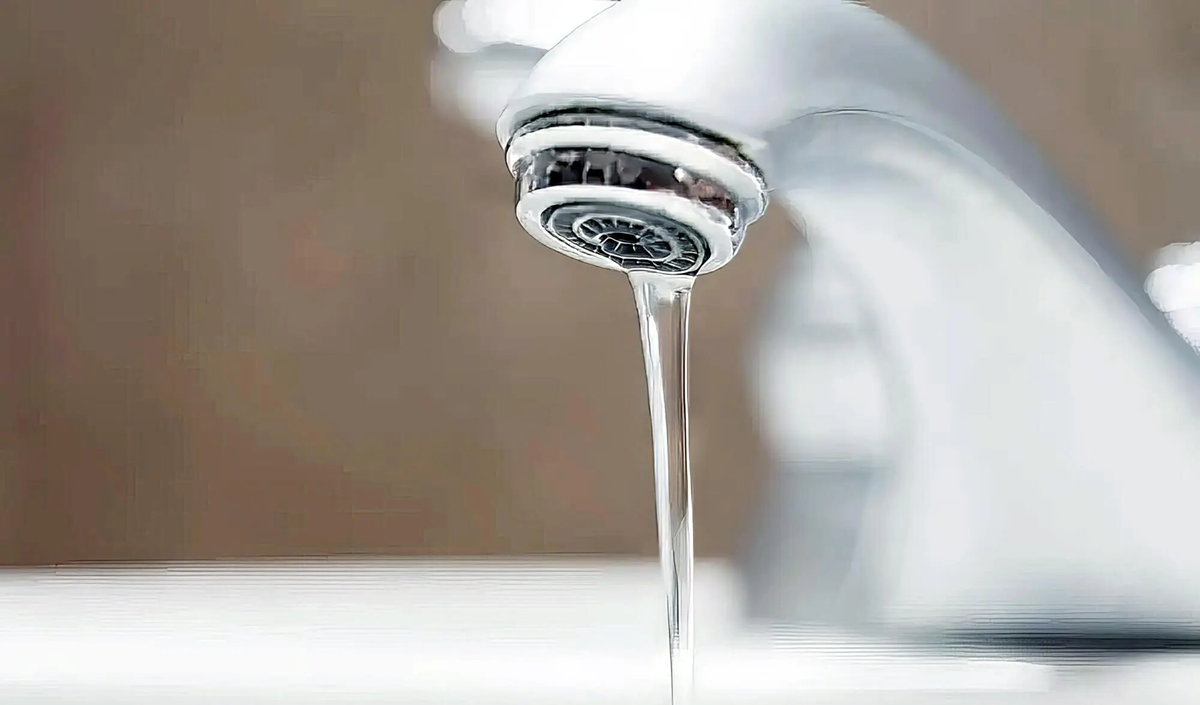
Bathroom Water Leakage: Deterioration of the grout between tiles can cause water to seep in. Constant moisture can cause small gaps in the grout, allowing water to seep into other areas of the floor.
How do I stop bathroom water from coming out the door?
Bathroom Door Water Barrier Strip Installation Guide: If water leaks out of the bathroom door after a shower or use, it's not just a wet floor. Repeatedly leaking water can gradually damage the walls, floors, and paint surrounding the door. This can often lead to problems like moisture, dampness, peeling paint, and odors.
The good news is that this problem doesn't always require tearing down floors or walls. It's important to first understand the cause of the leak. Once the cause is identified, in many cases, the problem can be controlled without major demolition.
Why does bathroom water come out the door?
The most common cause of bathroom water leaks is poor drainage. If the floor slopes poorly toward the drain, water can pool and slowly move toward the door. Additionally, if there's not a sufficient water barrier or threshold beneath the door, water can easily escape.
Sometimes, water seeps in between floor tiles due to deterioration of the grout. Persistent moisture can create small gaps in the grout, allowing water to seep into other areas of the floor. If the bathroom's waterproofing is not done properly, the problem can be exacerbated. Leaks in pipes or fittings can also be a cause. In such cases, simply trying to stop the water near the door won't completely solve the problem.
First, find out where the water is coming from.
Before stopping the water, it's important to understand its source. If water only pools near the door after bathing, check the floor slope and door seal. If water continues to leak from the edge of a wall or tile, there could be a problem with the grouting or plumbing. Dampness, water marks, or peeling paint on the ceiling of the room below could indicate a hidden leak. In such a situation, it's important to investigate the exact location of the leak rather than simply applying sealant. If necessary, techniques like dye testing, infrared, or ultrasonic leakage detection can also be used to diagnose the problem.
How to stop water from coming out without demolition?
If there's no major leak in the pipe and the problem is primarily water flowing toward the door, there are some simple steps you can take. First, thoroughly clean the joint between the bottom of the door and the floor. Accumulated dirt, old sealant, or damaged grout can increase the water flow. After cleaning, allow the entire area to dry thoroughly.
A waterproof door seal or suitable rubber seal can then be installed at the bottom of the bathroom door. This helps prevent water from flowing directly out. Waterproof sealant can also be used where the door meets the floor, but the surface must be clean and dry. If water overflows onto the floor near the door, a water barrier or small threshold may also be useful. This helps keep water contained within the bathroom and directed towards the drain.
Don't ignore bad grouting
If the grout between tiles is broken or has small gaps, water can seep in through those gaps. In such a situation, it may be necessary to remove the damaged grout and re-grout the affected area. Removing all the tiles isn't always necessary. If the problem is limited to a specific area, repairing that area may suffice. However, if water continues to accumulate under the tiles or the waterproofing is poor, it's best to have an expert examine it.
When will home remedies alone not be enough?
If moisture is visible even without the bathroom being used, there's persistent dampness on the walls, water stains on the ceiling below, or water is constantly leaking from a pipe, don't assume it's just a door problem. In such cases, it's important to find the source of the leak. A plumbing problem may require repairs to the relevant part. Serious waterproofing issues may require expert assistance.