LIFESTYLE
Bathroom Door Swelling: Is your bathroom door starting to swell from the bottom? Try these easy hacks right away.

Waterproof Bathroom Door: Bathrooms are constantly exposed to water splashes, and moisture can persist for extended periods. Initially, the paint on the bottom of the door begins to peel, and the edges swell.
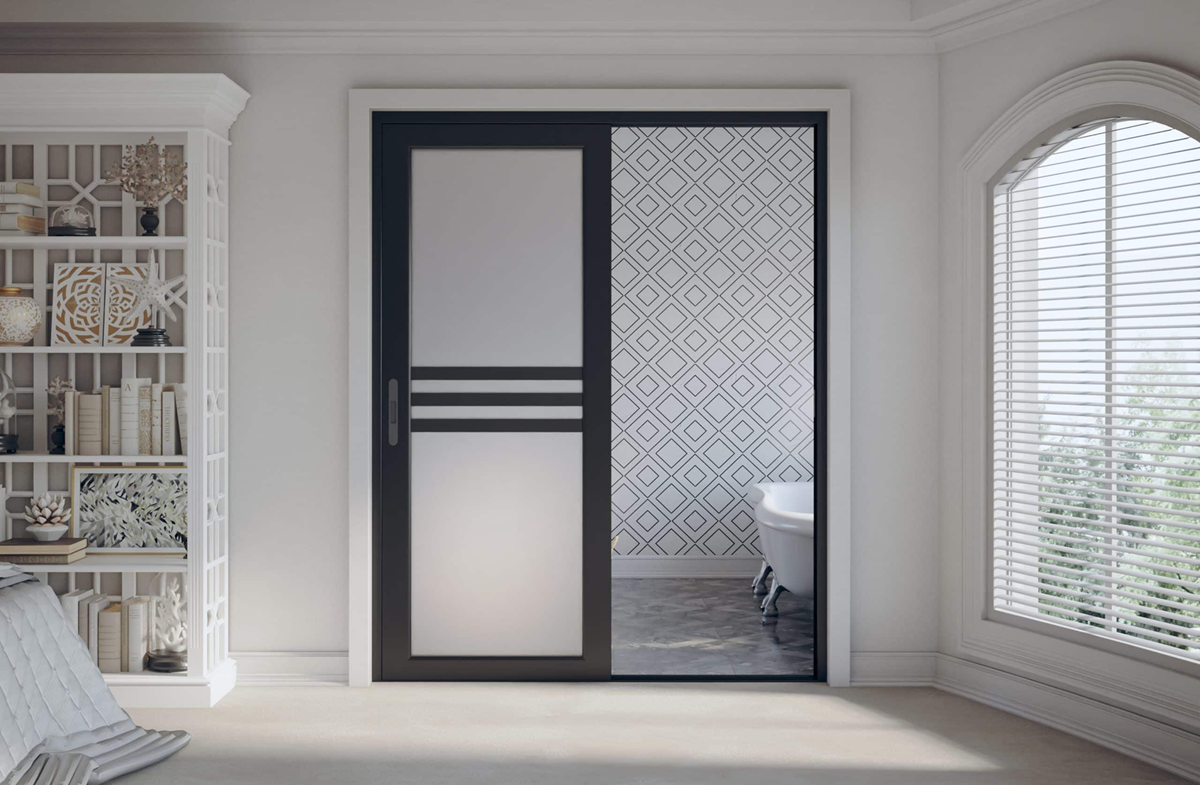
Causes and remedies for a bathroom door puffing from the bottom
How to Protect Wooden Door from Bathroom Water: Swelling at the bottom of a bathroom door is a common problem, especially in homes where the bathroom is constantly splashed with water and moisture persists for extended periods. Initially, the paint on the bottom of the door begins to peel, the edges swell, or the surface begins to peel. Gradually, the door may become difficult to close and may even develop fungus. If attention is paid in time, the door can be prevented from further damage.
Why does the door swell from the bottom?
When bathing in a bathroom, water often reaches the bottom of the door. If the door is made of wood, plywood, or particleboard and the bottom edge isn't properly sealed, water can seep in. The material expands as it absorbs moisture, causing the door to swell at the bottom.
Splashes aren't the only culprit. Poor ventilation in bathrooms can trap steam and moisture for extended periods of time. This leaves the door surface constantly exposed to moisture. Poor quality polish, paint, or laminate can also cause it to peel quickly.
First, prevent water from reaching the door.
If the bottom of the door frequently gets wet, it's important to prevent this problem first. Clean up any water that accumulates on the floor after showering and try to prevent water from reaching the door. Creating a separate, dry area or partition between the shower area and the door can also help. If the bottom of the door has already become slightly swollen, avoid constant wetting. Excessive water can exacerbate the problem.
Seal the bottom edge tightly.
The most vulnerable part of a bathroom door is its bottom edge. Water can easily penetrate through the paint or laminate layer here if it deteriorates. Therefore, it's important to protect the bottom edge with a water-resistant sealant. PVC edge banding or a good-quality PU or silicone sealant can be used. This helps prevent moisture from penetrating the door. Small gaps around the frame and door should also be sealed, as these are the areas through which water can slowly seep in.
The right finish is also important.
Sometimes a door deteriorates quickly because its outer surface isn't prepared to withstand moisture. Bathroom doors should have a high-quality, water-resistant finish. If the paint or laminate is already peeling, don't ignore it.
Even a small layer can allow moisture to penetrate and cause damage to the interior of the door. Repairing the damaged area and reapplying the protective coating in a timely manner can extend the door's life.
Ensure ventilation in the bathroom.
Constant moisture in the bathroom can affect not only the door but also the walls and other wooden materials. Therefore, it's important to have an exhaust fan or adequate ventilation. After showering, let the exhaust fan run for a while to allow steam and moisture to escape.
A slight gap under the door or a suitable ventilation system can also help with ventilation. However, the size of the gap is best determined by the design of the door and bathroom.
Choose the right material for a new door.
If the old door has swelled significantly and is difficult to repair, consider the material when installing a new door. For humid areas like bathrooms, WPC, PVC, and other moisture-resistant engineered materials may be better options. If installing a wooden or engineered wood door, be sure to check that it is suitable for humid areas. Beyond just appearance, consider the door's edge sealing, surface finish, and water resistance.
What to do after the door swells?
If the door is only slightly sagging, first eliminate the source of moisture. Keep the door dry and have a professional inspect it to determine if the damage is just the surface or if the interior has also absorbed moisture. Repairing damaged edges, sealing, and refinishing may help with minor problems. However, if the door is significantly warped, layers are starting to separate, or the interior material is severely swelled, paint or polish alone won't fix the problem. In this case, the door may need to be repaired or replaced. Therefore, it's crucial to protect it from water and moisture as soon as you notice the first signs of sagging underneath.