NEWS
ATM withdrawal rules have changed, with banks now telling you how many free transactions are left.
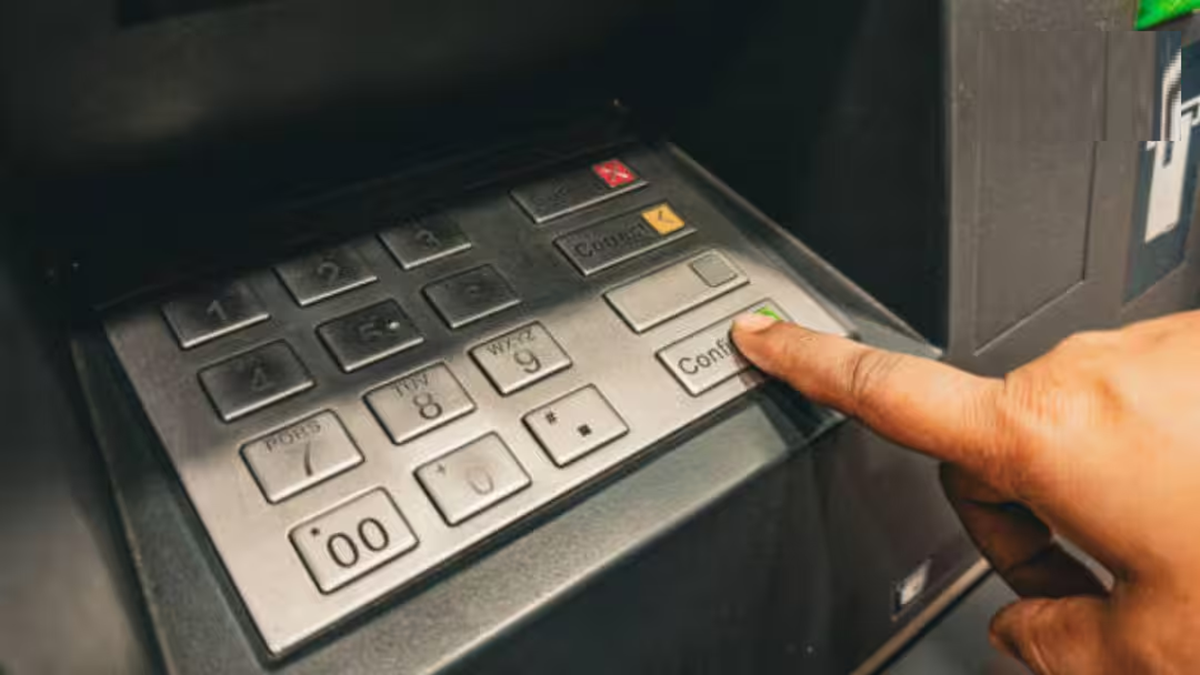
According to the RBI's new rules, banks will now disclose the number of free ATM transactions used and the charge for the next withdrawal. Let's explore how many free withdrawals you can make and when those charges won't apply.
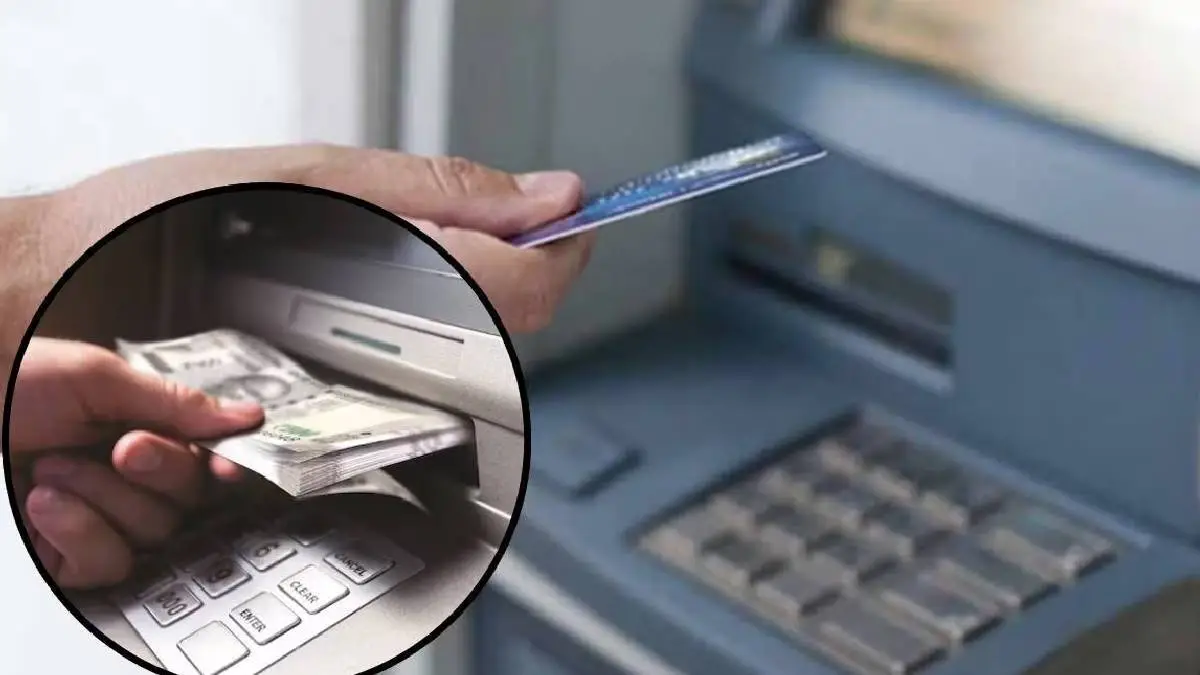
RBI ATM Rules: Changed rules for withdrawing money
If you withdraw money from an ATM every month, you should be aware of RBI's new rule. Starting today, banks will automatically inform you how many free ATM transactions you've already used in a month and the charges you might incur on your next withdrawal. This means customers will be informed in advance of any unexpected charges that may arise after withdrawing money from an ATM.
The RBI has issued a new master direction consolidating the old rules governing cash withdrawals through ATMs and PoS machines. To this end, the central bank has withdrawn 17 old circulars issued between 2008 and 2022. The new directives are effective today, November 27, 2026.
What are the new rules?
According to the new RBI directive, banks must establish a system to inform customers of the number of free ATM transactions they have used each month, along with the charges they may incur for the next transaction after the free limit is exhausted.
The advantage of this is that customers will be able to monitor their ATM usage. If their free transactions have been exhausted, they can decide to withdraw money as needed.
How many times can you withdraw free money?
| ATM location | Free transaction limit |
| From your bank's ATM | 5 |
| Other Bank ATM (Metro Cities) | 3 |
| Other Bank ATM (Non-Metro Cities) | 5 |
How much will the charges be?
If you've exhausted all your free ATM transactions for the month, your bank may charge you a fee for your next withdrawal. According to the RBI, this charge can be up to ₹23 per transaction. Applicable taxes may also apply.
However, banks will determine the charges based on their board-approved policies. This means that the actual charges may vary from bank to bank, but they should not exceed the maximum limit set by the RBI.
Will there be no charges if the money doesn't come out?
Sometimes, even after inserting your card and entering your PIN, the ATM doesn't dispense money. Sometimes, the machine doesn't have cash, or sometimes, a technical glitch causes the transaction to fail. No charges are applicable in such cases.
According to RBI instructions, failed transactions due to technical faults, network problems and lack of cash in the ATM will not be counted in the free transaction limit.