Business
ATM Withdrawal Rules 2026: How Many Free Transactions Are Allowed Every Month? Check RBI Limits and Charges
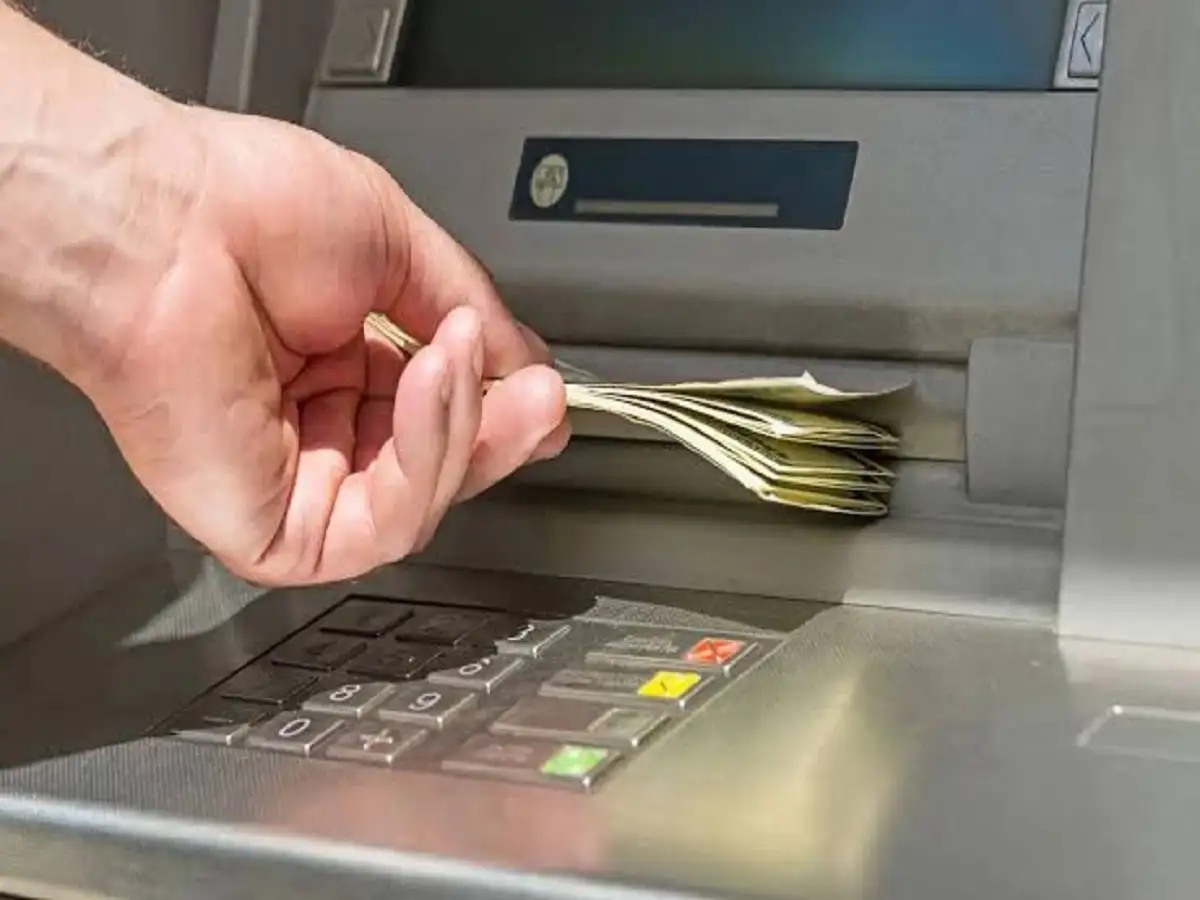
ATM Cash Withdrawal Rules 2026: Automated Teller Machines (ATMs) remain an essential banking facility for millions of people across India. Although digital payment methods such as UPI, mobile banking and debit cards have made everyday transactions more convenient, cash continues to play an important role in household expenses, shopping and emergencies.
However, many bank customers are unaware that ATM transactions are not always free. The Reserve Bank of India (RBI) has established guidelines specifying the minimum number of free ATM transactions available to eligible customers every month. Once these limits are exhausted, banks may charge additional fees for subsequent transactions.
Understanding the rules can help customers avoid unnecessary deductions from their savings accounts. Here is a detailed explanation of free ATM withdrawal limits, charges for additional transactions and important banking rules applicable in 2026.
How Many Free ATM Withdrawals Are Allowed Every Month?
Under the RBI's ATM transaction framework, eligible savings bank account customers are entitled to a minimum number of free transactions each month.
The permitted number depends primarily on whether customers use an ATM belonging to their own bank or another bank.
For transactions at another bank's ATM, the location of the machine also determines the applicable free transaction allowance.
The general limits are as follows:
| ATM category | Minimum free transactions per month |
|---|---|
| Own bank ATM | 5 financial transactions |
| Other bank ATM in metro locations | 3 transactions |
| Other bank ATM in non-metro locations | 5 transactions |
These figures represent the minimum free transaction entitlements under the RBI framework for applicable savings bank accounts. Certain banks and account categories may provide additional benefits.
Own Bank ATM Rules: Five Free Financial Transactions Every Month
Customers using ATMs operated by their own bank are generally entitled to at least five free financial transactions every month.
For example, if you hold a savings account with a particular bank and withdraw cash from one of its ATMs, the withdrawal counts towards the applicable free financial transaction allowance.
Banks may offer more than five free withdrawals depending on their account benefits and service policies.
Additionally, non-financial services such as balance enquiries and mini-statements at a customer's own bank ATM are generally available without charges under the RBI framework.
Therefore, customers should distinguish between cash withdrawals and non-financial transactions when checking their monthly ATM usage.
Other Bank ATM Rules: Three Free Transactions in Metro Cities
Customers who withdraw cash from an ATM operated by a different bank receive a separate free transaction allowance.
In the six designated metro locations, customers are generally entitled to three free transactions per month at other banks' ATMs.
The designated locations are:
- Mumbai
- New Delhi
- Chennai
- Kolkata
- Bengaluru
- Hyderabad
The three-transaction allowance covers financial and non-financial transactions combined.
For example, if a customer makes two cash withdrawals and one balance enquiry at other banks' ATMs in these locations, the three free transactions may be exhausted.
Any additional chargeable transaction can attract fees according to the applicable banking rules.
Non-Metro ATM Rules: Five Free Transactions at Other Banks' ATMs
Customers using other banks' ATMs in non-metro locations receive a higher minimum free transaction allowance.
Under the RBI framework, five free transactions are available every month at other banks' ATMs in locations outside the six designated metro centres.
This allowance includes both financial and non-financial transactions.
For instance, a customer who completes three cash withdrawals, one balance enquiry and one mini-statement request at other banks' ATMs in a non-metro location may use the entire monthly free allowance.
Customers should remember that the classification depends on the ATM's location rather than simply the city in which their bank account was opened.
Which ATM Services Count Towards the Free Transaction Limit?
ATM usage involves more than withdrawing money.
Banks classify ATM services into financial and non-financial transactions.
Financial transactions generally include cash withdrawals and other supported activities involving the movement of funds.
Non-financial transactions may include balance enquiries, mini-statements and other supported account information services.
At another bank's ATM, both financial and non-financial transactions generally count towards the monthly free transaction allowance.
At a customer's own bank ATM, the minimum five-free-transaction requirement relates to financial transactions, while eligible non-financial transactions are generally free.
Knowing this difference can help customers manage their monthly allowance more effectively.
ATM Charges 2026: How Much Can Banks Deduct After the Free Limit?
Customers who exceed their free ATM transaction allowance may face additional charges.
Under the RBI's revised framework effective from May 1, 2025, banks are permitted to charge customers a maximum of ₹23 per transaction, plus applicable taxes, for transactions beyond the free monthly allowance.
The earlier regulatory ceiling was ₹21 per transaction.
For example, if a bank applies the maximum ₹23 charge and 18% GST, the total deduction would be approximately ₹27.14 for one chargeable transaction.
Actual deductions depend on the bank's published schedule of charges and the applicable tax treatment.
The RBI ceiling does not mean that every bank must charge the maximum amount. Some banks may provide additional free transactions or lower fees.
Do All Savings Account Customers Get the Same ATM Benefits?
ATM transaction entitlements can differ depending on the type of bank account and applicable regulatory provisions.
For example, Basic Savings Bank Deposit Account (BSBDA) holders have specific minimum banking service entitlements, and their transaction rules should be checked separately.
Some premium savings accounts, salary accounts and other banking packages may offer additional free ATM withdrawals.
Banks may also provide special benefits to certain customer categories.
Therefore, customers should review their account's terms and conditions rather than assuming that every savings account carries identical ATM privileges.
What Happens If an ATM Transaction Fails but Money Is Debited?
Sometimes, customers may experience an unsuccessful ATM cash withdrawal in which their account is debited but the machine does not dispense cash.
Under RBI rules, banks must reverse failed ATM cash withdrawal transactions within the prescribed timeline.
For qualifying failed ATM transactions, the applicable framework requires reversal within a maximum of T+5 calendar days, where T represents the transaction date.
If the bank fails to reverse the amount within the specified period, compensation of ₹100 per day of delay is applicable under the RBI's prescribed rules.
Customers should retain transaction messages and reference details and contact their bank if the amount is not reversed.
How to Avoid Unnecessary ATM Withdrawal Charges
Bank customers can reduce ATM-related expenses by planning their cash requirements carefully.
1. Prefer your own bank's ATM: Using an ATM operated by your bank can help you take advantage of the applicable free financial transaction allowance.
2. Check your balance digitally: Mobile banking applications and internet banking can reduce the need for balance enquiries at other banks' ATMs.
3. Plan cash withdrawals: Instead of making several small withdrawals, consider withdrawing a suitable amount based on your actual requirements and applicable daily limits.
4. Monitor monthly transactions: Keep track of how many free transactions you have already used.
5. Review your bank's charges: Check the official schedule of service fees for your account category.
6. Use secure digital payments where appropriate: UPI and other electronic payment options may reduce the need for frequent cash withdrawals.
These simple practices can help customers avoid unnecessary banking expenses.
Important RBI ATM Rules Customers Should Remember
The minimum free transaction allowances generally apply on a monthly basis.
Customers should also remember that their own bank's ATM allowance and the allowance for other banks' ATMs are governed by different rules.
For other banks' ATMs, both cash withdrawals and eligible non-financial transactions count towards the free limit.
Additional charges may apply once the permitted number of transactions is exhausted.
Banks can offer benefits beyond the RBI-prescribed minimum, but customers should confirm the exact terms with their respective banks.
Final Words
ATM services continue to provide convenient access to cash, but frequent transactions can result in additional banking charges.
Under the general RBI framework, eligible savings account customers receive at least five free financial transactions every month at their own bank's ATMs. At other banks' ATMs, the minimum allowance is three transactions in the six designated metro locations and five transactions in non-metro locations.
After the free allowance is exhausted, banks may levy charges of up to ₹23 per transaction, excluding applicable taxes, under the revised regulatory ceiling.
The best way to avoid unnecessary ATM fees is to understand your bank's transaction policy, monitor monthly usage and plan withdrawals according to your needs.