NEWS
ATF Tax: Delhi and Mumbai reduce jet fuel tax! What impact could this have on airlines and ticket prices?
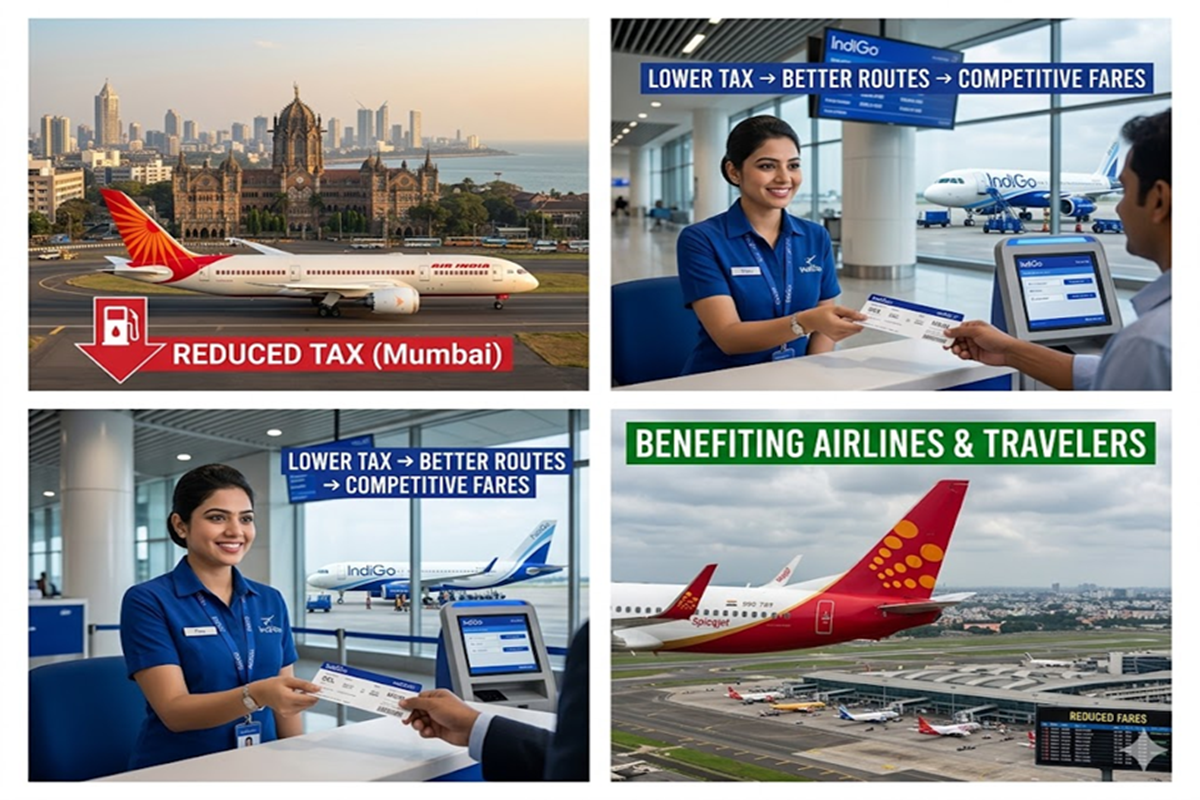

ATF Tax Relief: Delhi and Mumbai have provided significant relief to airlines by reducing VAT on ATF. This decision is expected to reduce airline costs amid rising fuel prices and operational expenses.
Delhi, Mumbai reduce jet fuel tax
ATF Tax Relief: India's two largest aviation hubs, Delhi and Mumbai, have significantly reduced VAT on aviation turbine fuel (ATF). This decision is expected to provide relief to airlines from rising costs, especially at a time of rapidly increasing global fuel prices, a weakening rupee, and operational expenses.
How much tax was reduced in Delhi and Mumbai?
In terms of taxes, Delhi has reduced VAT on ATF from 25 percent to 7 percent. This relief is applicable for six months. Maharashtra, meanwhile, has reduced VAT on ATF for domestic flights in Mumbai from 18 percent to 7 percent. This decision comes at a time when airlines are grappling with rising fuel prices and have warned the government of rising costs.
Fuel crisis worsens airlines' problems
The aviation sector is currently grappling with a severe fuel crisis. The Federation of Indian Airlines (FIA), which includes companies like Air India, Indigo, and SpiceJet, has warned the government that rising fuel costs are making many routes uneconomic. According to the FIA, fuel costs previously accounted for approximately 30 to 40 percent of airlines' total expenses, but now they have risen to 55 to 60 percent.
The impact of global tensions
The ongoing tensions in the Middle East and supply disruptions around the Strait of Hormuz have also impacted jet fuel prices. A significant portion of the world's oil and LNG supply passes through this route. Jet fuel prices rose from around $99 per barrel at the end of February 2026 to nearly $263 per barrel by May 2026.
Why are Delhi and Mumbai so important?
According to data provided by Chief Minister Rekha Gupta, Delhi's Indira Gandhi International Airport will handle approximately 80 million passengers in 2024-25, while Mumbai Airport will handle 55.5 million passengers and record over 331,000 aircraft movements in 2025. These two cities account for the largest number of domestic and international flights in the country. This is why the reduction in fuel taxes here will have a ripple effect on the entire aviation sector.
Rising ATF consumption
Demand for ATF in India is steadily increasing. According to government data, the country consumed approximately 764,000 metric tons of ATF in February 2026. In 2025, domestic airlines carried approximately 167 million passengers. Amidst such high demand, even a small reduction in fuel prices could prove to be a significant savings for airlines.