NEWS
Delhi EV Policy 2026: Buyers Can Get Benefits of Up to ₹1 Lakh; Check Subsidy, Eligibility and Application Process
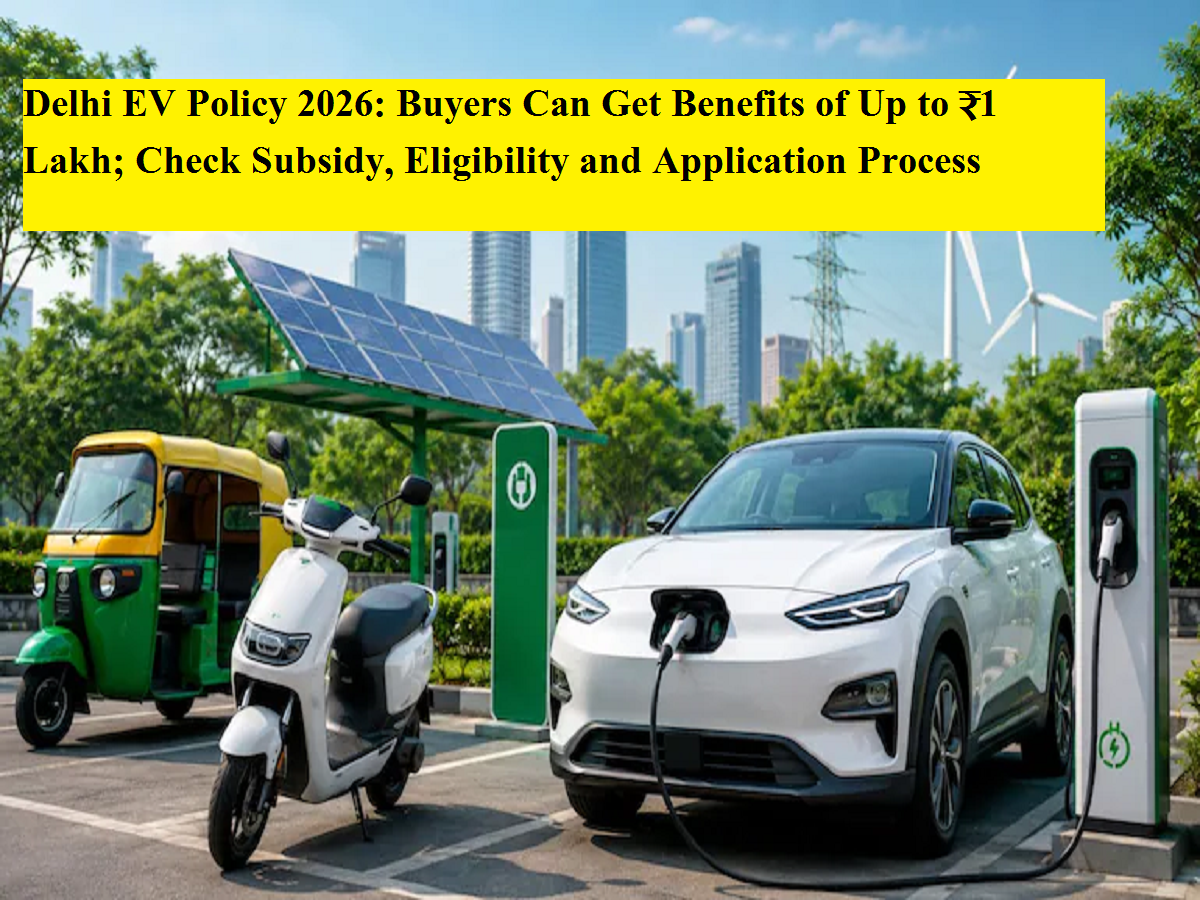
Delhi EV Policy 2026: The Delhi government has rolled out its new Electric Vehicle (EV) Policy, offering attractive incentives to encourage residents to switch to electric mobility. Effective from July 1, 2026, the policy will remain in force until March 31, 2030. It introduces purchase subsidies, scrappage incentives, exemptions on road tax and registration fees, and financial support for eligible electric vehicles.
The government has also launched the Delhi EV Subsidy Portal to simplify the subsidy application process and ensure that eligible buyers receive financial assistance directly into their bank accounts.
Objective of the New EV Policy
The new policy aims to accelerate the adoption of electric vehicles across Delhi while reducing air pollution and dependence on fossil fuels.
Key objectives include:
- Promoting electric mobility
- Expanding EV charging infrastructure
- Increasing battery-swapping facilities
- Strengthening the EV ecosystem
- Reducing vehicular emissions
The Transport Department will oversee the implementation of the policy through a dedicated EV Cell.
Scrappage Incentives for Replacing Older Vehicles
One of the biggest highlights of the policy is the incentive for scrapping older vehicles and replacing them with electric ones.
Eligible benefits include:
- Owners scrapping a BS-IV or older petrol/diesel car and purchasing a new electric car can receive a scrappage incentive of up to ₹1 lakh.
- Buyers replacing an old two-wheeler with a new electric scooter or motorcycle can receive an additional ₹10,000 as a scrappage incentive.
- Owners scrapping an old three-wheeler and purchasing an electric three-wheeler can receive an additional ₹25,000.
These incentives are designed to encourage the retirement of older, more polluting vehicles.
Subsidy for Electric Two-Wheelers
The policy offers phased incentives for electric two-wheelers:
| Purchase Year | Maximum Subsidy |
|---|---|
| First Year | ₹30,000 |
| Second Year | ₹20,000 |
| Third Year | ₹10,000 |
The subsidy amount gradually reduces over the implementation period.
Incentives for Electric Three-Wheelers
Electric auto-rickshaw and three-wheeler buyers are also eligible for financial assistance.
The maximum incentive available is:
| Purchase Year | Maximum Incentive |
|---|---|
| First Year | ₹50,000 |
| Second Year | ₹40,000 |
| Third Year | ₹30,000 |
Benefits for Electric Cars and Trucks
The policy also includes incentives for larger electric vehicles.
Highlights include:
- Buyers of N1 category electric trucks can receive purchase incentives of up to ₹1 lakh.
- Electric cars priced up to ₹30 lakh (ex-showroom) will receive 100% exemption from road tax and registration fees, provided they are registered in Delhi.
These exemptions can significantly reduce the overall purchase cost of an eligible EV.
How to Apply for the Subsidy
The Delhi government launched the Delhi EV Subsidy Portal on July 3, 2026, allowing eligible buyers to submit subsidy applications online.
Applicants will generally need documents such as:
- Aadhaar Card
- Vehicle Registration Certificate (RC)
- Voter ID or other prescribed identity proof
- Bank account details
- Mobile number for OTP verification
According to the policy, applications should be submitted within 30 days of vehicle purchase and RC issuance.
Once approved, the subsidy amount is expected to be transferred directly to the beneficiary's bank account through Direct Benefit Transfer (DBT) within 60 days.
Applicants will also be able to track their application status online.
Only Approved EV Models Will Be Eligible
The government plans to establish a Model Approval Committee, which will determine which electric vehicle models qualify for subsidies and incentives.
Only EVs meeting the prescribed technical standards and approved by the committee will be eligible for financial benefits under the policy.
Upcoming Registration Changes
The policy also outlines a phased transition toward electric mobility.
According to the announced roadmap:
- From January 1, 2027, only electric auto-rickshaws will be newly registered in Delhi.
- From April 1, 2028, registration of new petrol and CNG two-wheelers will gradually be phased out, with electric two-wheelers becoming the primary option for new registrations.
These measures are intended to increase the share of electric vehicles in the city's transport system.
Three-Year Lock-In Rule
The policy introduces a three-year lock-in period for vehicles purchased with government subsidies.
During this period, subsidized EVs cannot be transferred or re-registered in another state. The rule aims to ensure that the financial incentives are used for genuine adoption of electric vehicles within Delhi rather than for resale in other markets.
With subsidies, scrappage incentives, tax exemptions, and a streamlined online application system, the Delhi EV Policy 2026 seeks to make electric vehicles more affordable while supporting cleaner and more sustainable transportation across the national capital.