NEWS
Are petrol and diesel cheaper or more expensive today, September 9th? Crude oil is skyrocketing.
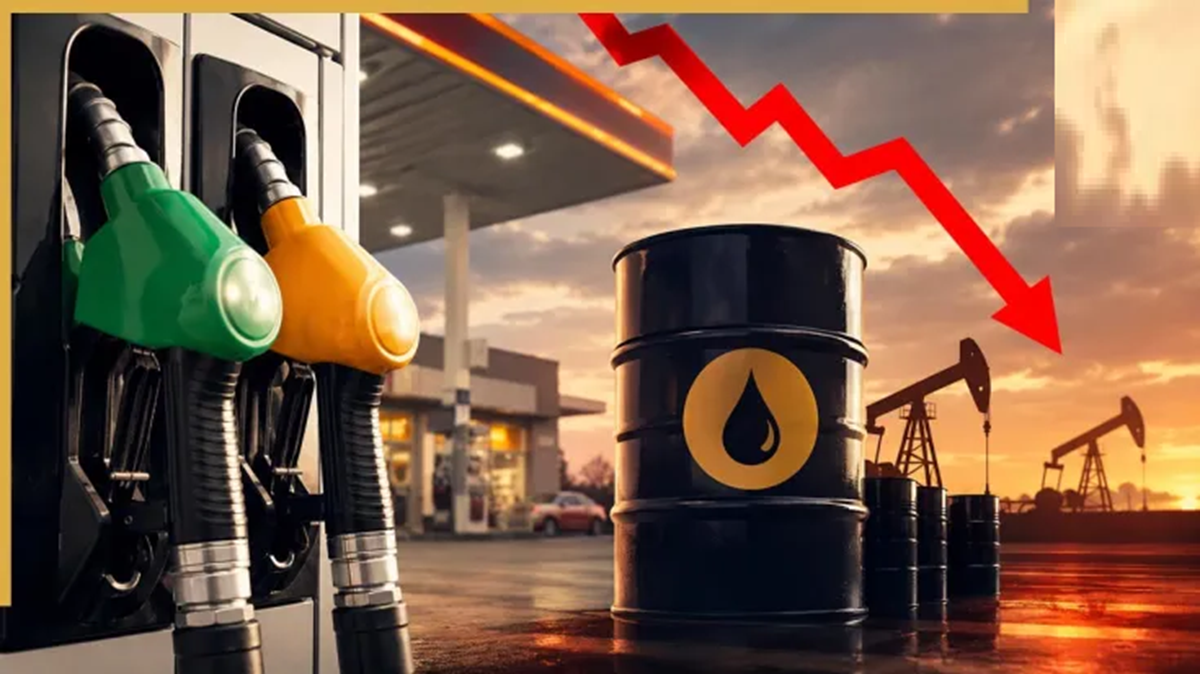
Petrol and diesel prices remained mostly stable across major Indian cities on Wednesday. Fuel prices remained unchanged in New Delhi, Mumbai, Kolkata, and Chennai.
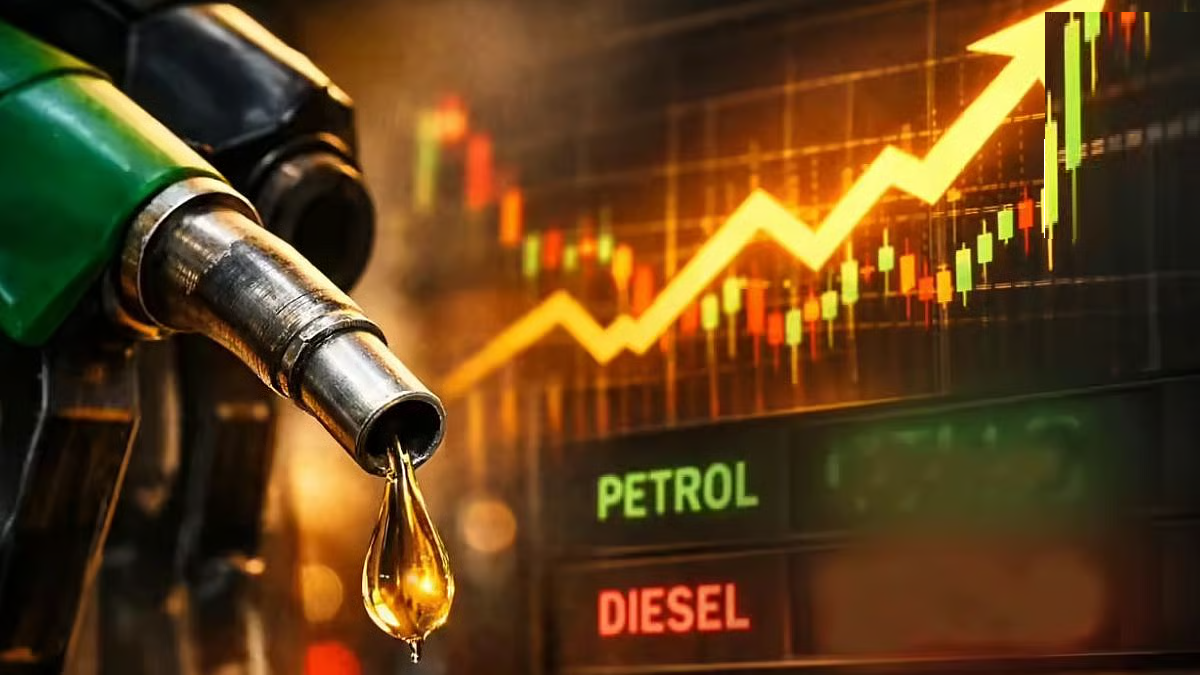
No change in petrol and diesel prices today
Today, September 9, 2026, petrol and diesel prices across the country have remained unchanged, despite international crude oil prices now hovering around $99.36 to $100 per barrel. Despite this, state-owned oil marketing companies (OMCs) have not made any changes to petrol and diesel prices.
Crude oil price today
Today, September 9, 2026, crude oil prices are on the rise in the international market. Escalating geopolitical tensions between the US and Iran and attacks on oil tankers near the Strait of Hormuz have renewed concerns about energy supplies. This is why crude oil prices have reached very close to the $100 per barrel mark.
Brent crude oil, considered the international standard, is trading around $99.29 to $99.40 per barrel today. It briefly surpassed $99 during yesterday's trading session. Meanwhile, the US benchmark, West Texas Intermediate, is hovering around $94.24 per barrel.
City-wise petrol-diesel prices
| City | Petrol Price (per litre) | Diesel Price (per litre) |
| Delhi | Rs 102.12 | Rs 95.20 |
| Mumbai | Rs 111.31 | Rs 97.97 |
| Kolkata | Rs 113.51 | Rs 99.82 |
| Chennai | Rs 107.78 | Rs 99.56 |
| Gurugram | Rs 102.97 | Rs 95.94 |
| Patna | Rs 113.35 | Rs 99.36 |
| Ranchi | Rs 106.12 | Rs 100.49 |
| Shimla | Rs 102.31 | Rs 94.34 |
| Gwalior | Rs 114.30 | Rs 99.35 |
Why are crude oil prices increasing?
Tensions are currently running high in the Middle East. On one hand, the US and Iran are at loggerheads. The attacks on each other's oil tankers in the Strait of Hormuz have sent shockwaves through the global oil market. Fears of supply disruptions and oil shortages have gripped the market.
The situation is further exacerbated by the Strait of Hormuz, a shipping route through which approximately 20% of the world's oil passes. The increasing attacks on this route have led to a reduction in the number of commercial vessels.
Ships now have to take the Cape of Good Hope route, which is both longer and more expensive, significantly increasing freight costs. Meanwhile, Iran added fuel to the fire by declaring a restricted zone in the region.