LIFESTYLE
Apple is unable to sell this device worth millions; production had to be stopped due to low sales.
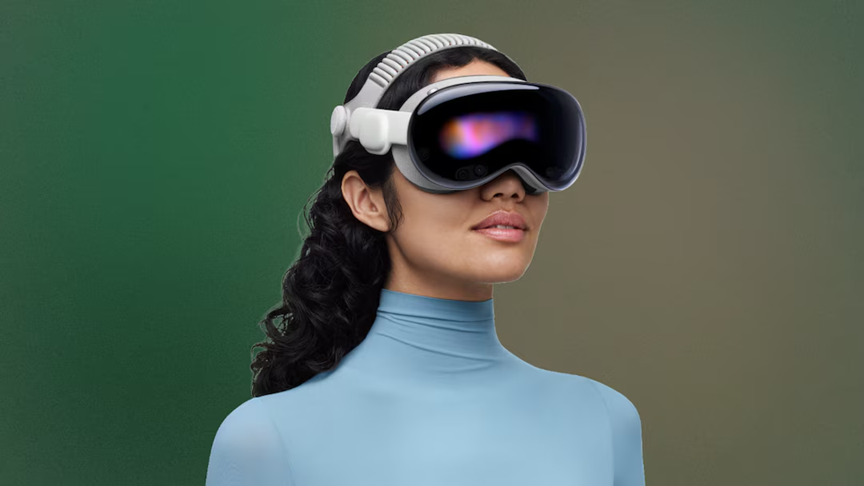
Sales of Apple's Vision Pro headset remain weak, with only 45,000 units sold in the last quarter of last year. Consequently, the company has discontinued its production.
Apple, which sells millions of iPhones, iPads, and other devices every year, is struggling to sell one of its most expensive products, the Vision Pro headset. Recent data from Sensor Tower reveals that the company has even discontinued production of the Vision Pro due to poor sales. The Vision Pro headset was first launched in 2023 and costs over ₹3 lakh.
Apple sales fell short of expectations.
Apple hasn't officially disclosed how many units of this device it has sold, but sales have been weak. According to reports, only 45,000 units were sold in the last quarter of last year. In light of this, Luxshare, the Chinese company that produces it and a supplier to Apple, has discontinued production in 2025. It's worth noting that Apple is selling this device in only 13 countries.
What are the reasons for the lack of sales?
At its launch in 2023, Apple CEO Tim Cook stated that the product would revolutionize spatial computing. However, its high price has deterred customers from purchasing it. Those who did purchase it complained about its discomfort and bulkiness, making it difficult to find new customers. Another reason for the Vision Pro's lack of popularity is the limited availability of apps for it.
What is Apple's plan now?
After the failure of the Vision Pro headset, Apple has now decided to develop smartglasses. These glasses will run on the same software as Vision Pro, called visionOS. Apple Glasses will operate in two different modes depending on the device. When connected to a MacBook, they will use the full version of visionOS, while when paired with an iPhone, they will run a lightweight and mobile-friendly version. This will allow them to easily integrate with the Apple ecosystem. The first generation of Apple Glass will not have a display in the lenses. This device will be equipped with built-in speakers, a camera, AI-based voice control, and sensors for basic health monitoring. A display may be added later.