Health Tips: Feeling overwhelmed has become increasingly common in today's fast-paced world. Work deadlines, financial pressures, family responsibilities, and lifestyle changes can all affect mental well-being. Because stress and anxiety often share similar symptoms, many people assume they are the same condition. However, while they may feel alike, they have different causes, durations, and effects on daily life.
Understanding the distinction can help you recognize when everyday stress may be developing into a more serious mental health concern.
Stress and Anxiety Are Not the Same
Stress is usually a natural response to a specific challenge or difficult situation. Common triggers include:
- Tight work deadlines.
- Academic exams.
- Financial difficulties.
- Family or relationship issues.
- Major life changes.
In many cases, stress gradually improves once the triggering situation is resolved.
Anxiety, on the other hand, can persist even when there is no obvious reason to feel worried. People experiencing anxiety may constantly fear that something bad is about to happen, despite having no immediate threat or problem.
This ongoing sense of fear or uncertainty is one of the key differences between anxiety and temporary stress.
Why Anxiety Should Not Be Ignored
Occasional worry is a normal part of life, but persistent anxiety can affect much more than your emotional well-being.
If left unaddressed, anxiety may interfere with:
- Work or academic performance.
- Personal relationships.
- Daily routines.
- Sleep quality.
- Overall quality of life.
Seeking support early can make it easier to manage symptoms and reduce their long-term impact.
Can Diabetes Increase the Risk of Anxiety?
Research suggests that people living with diabetes may have a higher risk of experiencing anxiety.
Several factors may contribute to this connection, including:
- Fluctuating blood sugar levels that can influence mood and energy.
- The emotional demands of managing a long-term medical condition.
- Concerns about complications and ongoing treatment.
While diabetes does not directly cause anxiety in everyone, managing both physical and mental health is important. Anyone experiencing persistent emotional distress should consider discussing their symptoms with a qualified healthcare professional.
Common Symptoms of Anxiety
Anxiety can affect both the mind and the body. Common symptoms include:
- Persistent worry or fear without a clear cause.
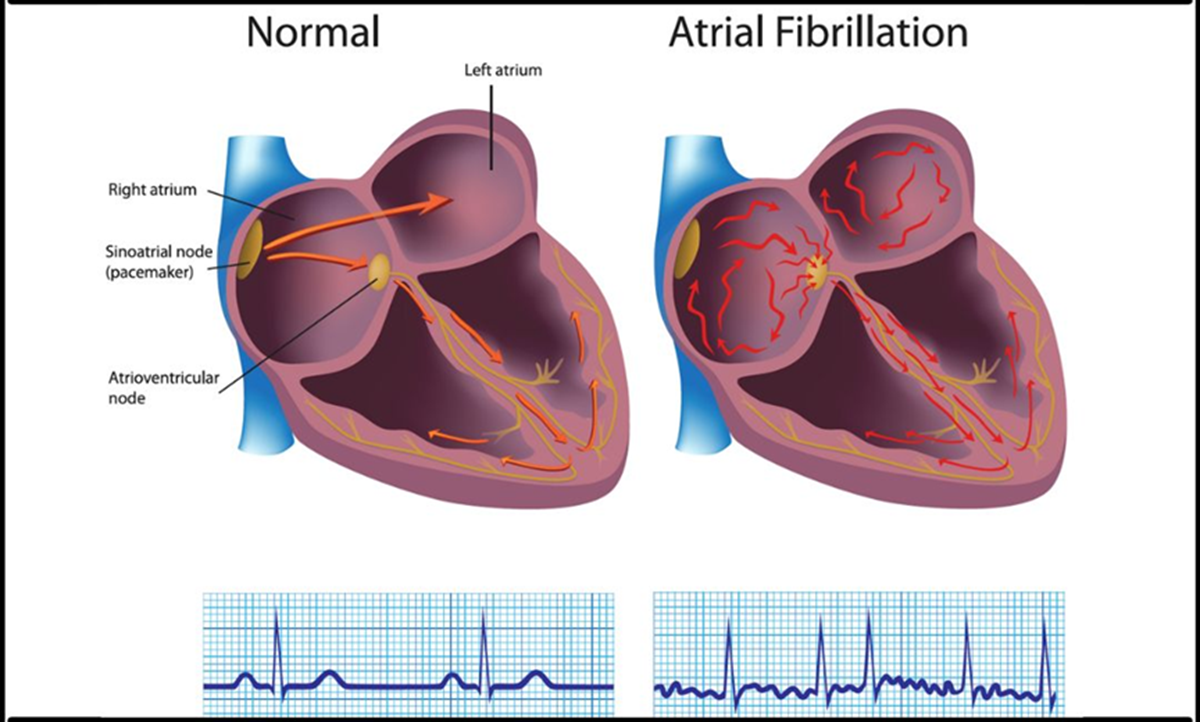
- Rapid heartbeat or palpitations.
- Fast or shallow breathing.
- Excessive sweating.
- Trembling or shaking hands.
- Muscle tension.
- Difficulty concentrating.
- Restlessness or feeling unable to relax.
These symptoms may vary in intensity and can sometimes occur without an obvious trigger.
How Anxiety Can Affect Digestion
Mental health experts often describe the close connection between the brain and the digestive system, sometimes referred to as the gut-brain connection.
As a result, anxiety may contribute to digestive symptoms such as:
- Upset stomach.
- Nausea.
- Abdominal pain or discomfort.
- Changes in bowel habits.
- Digestive problems even when no underlying gastrointestinal disease is present.
For some people, digestive complaints may become more noticeable during periods of heightened anxiety.
When Should You Seek Professional Help?
Occasional stress is part of everyday life, but certain signs may indicate that professional evaluation is appropriate.
Consider speaking with a healthcare or mental health professional if:
- Symptoms continue for several weeks or months.
- Anxiety persists even after the stressful situation has ended.
- Daily work, studies, or relationships are affected.
- Everyday tasks become difficult to manage.
- Physical symptoms become frequent, severe, or interfere with normal activities.
Early assessment can help identify the cause of your symptoms and guide appropriate treatment or support.
Healthy Ways to Manage Stress and Anxiety
While professional care may be necessary for some people, healthy daily habits can also support mental well-being.
Helpful strategies include:
- Maintaining a regular sleep schedule.
- Engaging in physical activity.
- Practicing meditation, deep breathing, or mindfulness.
- Eating a balanced diet.
- Limiting excessive caffeine or alcohol intake if they worsen symptoms.
- Staying connected with supportive friends and family.
These habits can improve overall resilience and help reduce everyday stress.
Final Take
Although stress and anxiety share several symptoms, they are not the same. Stress is generally linked to a specific challenge and often improves once that situation passes, whereas anxiety can continue even without a clear trigger and may significantly affect daily life. Recognizing the warning signs early and seeking professional advice when symptoms become persistent can help protect both your mental and physical health.