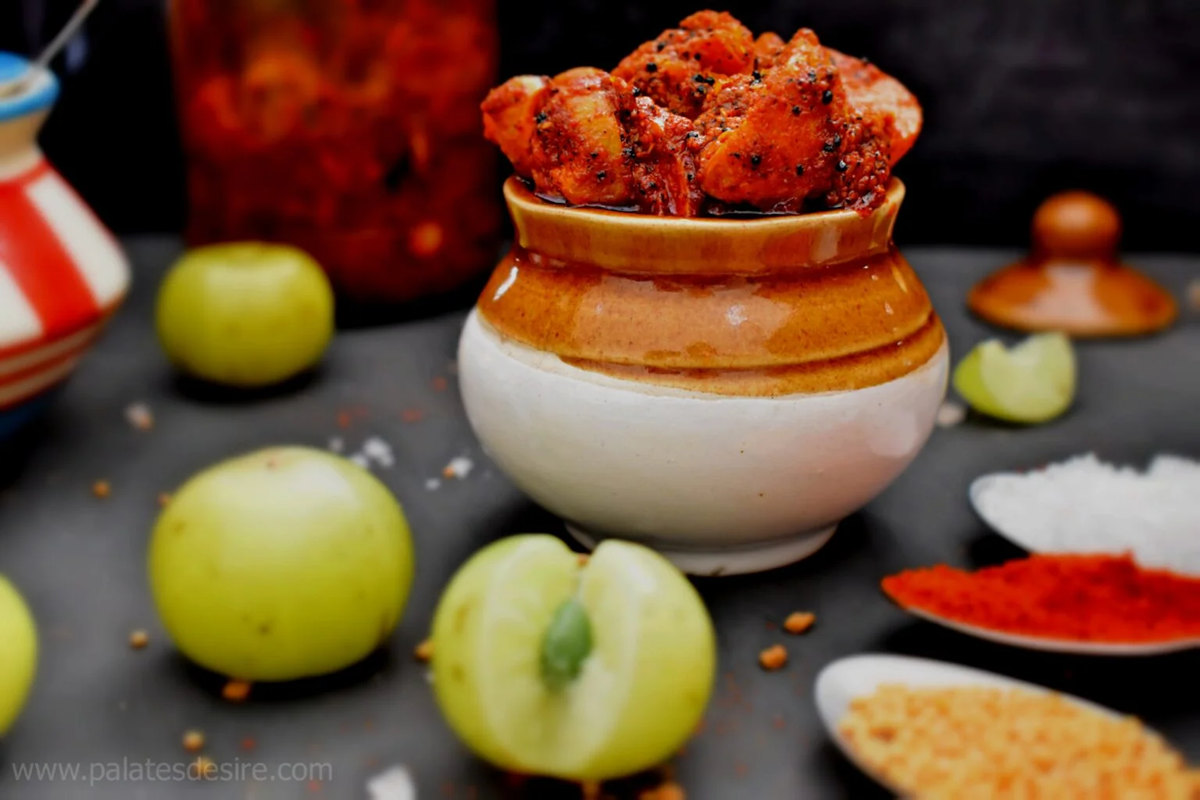
Amla Pickle: This tangy and spicy pickle is enjoyed with everything from dal and rice to parathas. Making amla pickle at home isn't difficult. Let's tell you about it.
How to make Amla Pickle at home easy recipe
How To Make Amla Pickle At Home: Amla pickle is a popular choice in Indian homes. This tangy and spicy pickle is enjoyed with everything from dal-rice to parathas. Making amla pickle at home isn't difficult; it simply requires proper preparation of the amla and careful spice adjustment. The method of preparation varies from region to region. Some places use mustard oil, while others use sesame oil.
Keep these things in mind while choosing Amla.
It's best to use fresh, firm gooseberries for pickles. They should be green or light green in color and free of soft spots, wrinkles, or blemishes. Very large gooseberries may be more fibrous, while very small ones may have less pulp. Gooseberries are readily available between November and February, making them more readily available for pickles. It's important to wash and dry them thoroughly before using them. Any moisture left in the pickle can increase the risk of spoilage and mold.
How to prepare gooseberries
Amla can be kept whole for pickling and small holes can be made in it with a fork or toothpick. These holes allow the spices to reach inside. Some recipes call for cutting the amla into quarters, while for instant pickles, it can be cut into small pieces or slices. In many traditional recipes, the amla is first steamed or pressure cooked for a couple of whistles. This softens the amla slightly and allows it to absorb the flavor of the spices. However, it should not be overcooked, as it may become too soft.
Which spices are needed for gooseberry pickle?
Spices like fenugreek seeds, fennel seeds, mustard seeds, nigella seeds, turmeric, asafoetida, and red chili are used in pickles. Fenugreek gives the pickle its distinctive flavor, while fennel seeds balance the sourness. Mustard seeds and nigella seeds give the pickle its sharp taste. The choice of oil also makes a significant difference in the taste of the pickle. Mustard oil is used more in North Indian pickles, while sesame oil is common in South Indian styles. Mustard oil is often heated and then cooled before being used.
How to make Amla Pickle at home
For 500 grams of gooseberries, North Indian style cooking requires about one and a half cups of mustard oil, 2 tablespoons of fennel seeds, 1 tablespoon of fenugreek seeds, 1 tablespoon of nigella seeds, 1 tablespoon of turmeric, 2 tablespoons of red chili peppers, 1 teaspoon of asafoetida, and salt to taste. First, wash the gooseberries, dry them thoroughly, and prick them with a fork. Then, steam them or pressure cook them for a couple of whistles. Once the gooseberries soften, let them cool.
Now heat mustard oil in a pan until it begins to smoke. Turn off the heat and let the oil cool completely. Meanwhile, lightly fry the fennel and fenugreek seeds. Be careful not to over-fry the fenugreek, as this can make the pickle bitter. After cooling, grind these spices coarsely. Now, put the gooseberries in a clean, dry container. Add the ground fennel and fenugreek, turmeric, red chili, nigella seeds, asafoetida, and salt and mix well. Next, add the cooled mustard oil and mix everything thoroughly.
Pour this mixture into a clean, dry glass jar. Ensure the gooseberries are completely submerged in the oil. If the oil is low, add a little more. The jar can also be placed in the sun for a few days. This North Indian-style pickle will be ready to eat in about two weeks.
You can also make sweet amla pickle.
If you like a sweet and sour taste, you can also make a sweet gooseberry pickle. For 500 grams of gooseberries, you'll need one cup of mustard or sesame oil, one cup of grated jaggery, two tablespoons of coarse mustard seeds, one tablespoon of fenugreek, turmeric, red chili, salt, and asafoetida. Chop the gooseberries and cook them with the oil and spices. Then, add the jaggery and cook over low heat until the jaggery melts and the mixture thickens slightly. Once cooled, store it in a clean, dry jar. Its flavor improves after a few days.
How to prevent pickles from spoiling
The amla, spices, jar, and spoon should be free of moisture. Always use a clean, dry spoon to remove the pickle. The amla should be completely immersed in the oil. It is best to store the pickle in a cool, dry place. Once the jar is opened, it can also be refrigerated. If the pickle appears moldy, smells bad, the amla becomes too slimy or spoiled, or unusual bubbles appear in the pickle, it is not advisable to consume it. Amla pickle is delicious, but it contains a high amount of salt and oil, so it is best to consume it in limited quantities.