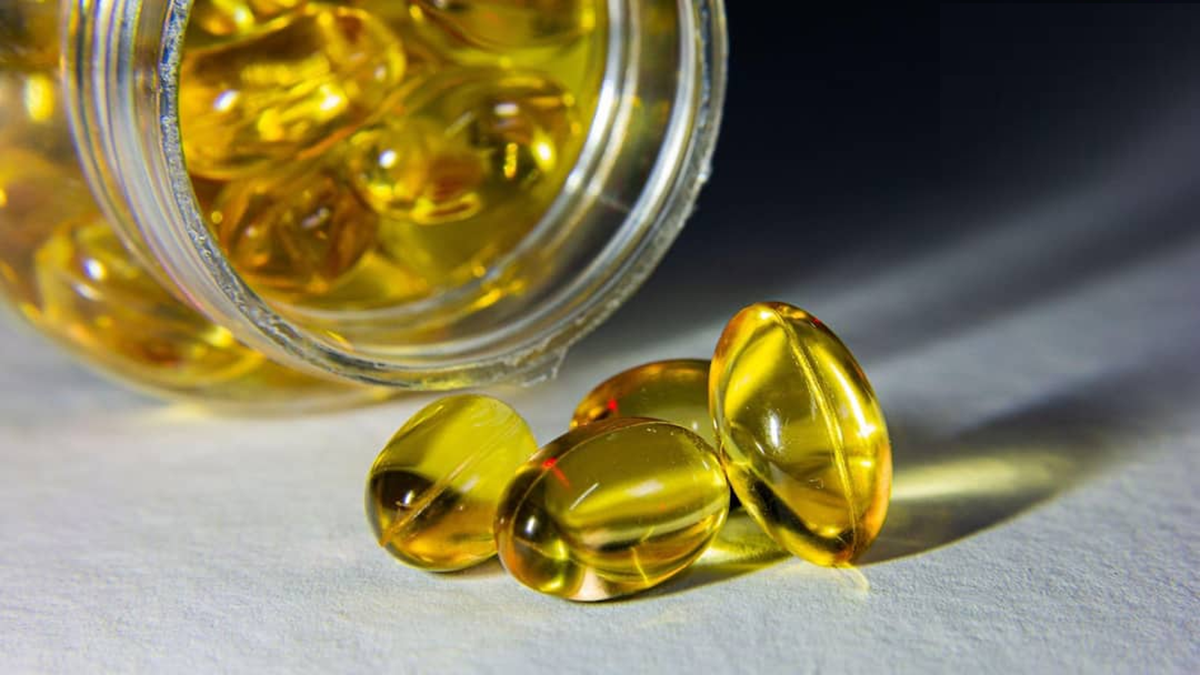
Amla seeds, once considered useless, have now proven invaluable thanks to Patanjali's research. The oil, extracted using supercritical fluid extraction (SCFE) technology, has been shown to fight harmful bacteria.
Everyone has heard of amla—its sweet and sour taste is excellent for boosting immunity. It's also beneficial for skin, hair, digestion, and the heart. In Ayurveda, it's also known as "Amritaphal." We all know that the amla fruit is rich in vitamin C. Ayurvedic texts like Charaka Samhita, Sushruta Samhita, and Ashtanga Hridayam describe amla's properties. But have you ever considered how valuable its seeds, which we often discard as useless, can be?
Under the guidance of His Holiness Swami Ramdev and His Holiness Acharya Balkrishna, scientists at the Patanjali Research Institute have proven that amla seeds possess remarkable medicinal properties, and this research is now gaining international recognition. Through this research, we sought to determine if oil extracted from amla seeds could be useful in combating any disease. We used a new technique for this research: Supercritical Fluid Extraction (SCFE).
This method does not cause any harm to the environment.
This is a modern and environmentally friendly technology that doesn't use any harmful chemicals (chemical solvents). Traditional oil extraction methods use various harmful chemicals, which not only reduce the quality of the oil but also have a negative impact on the environment. This method, on the other hand, doesn't harm the environment. The carbon dioxide (CO₂) used in this process is also completely recovered after use, meaning it's a zero-waste technology. The oil extracted using this technology remains completely pure, and its natural nutrients are not destroyed.
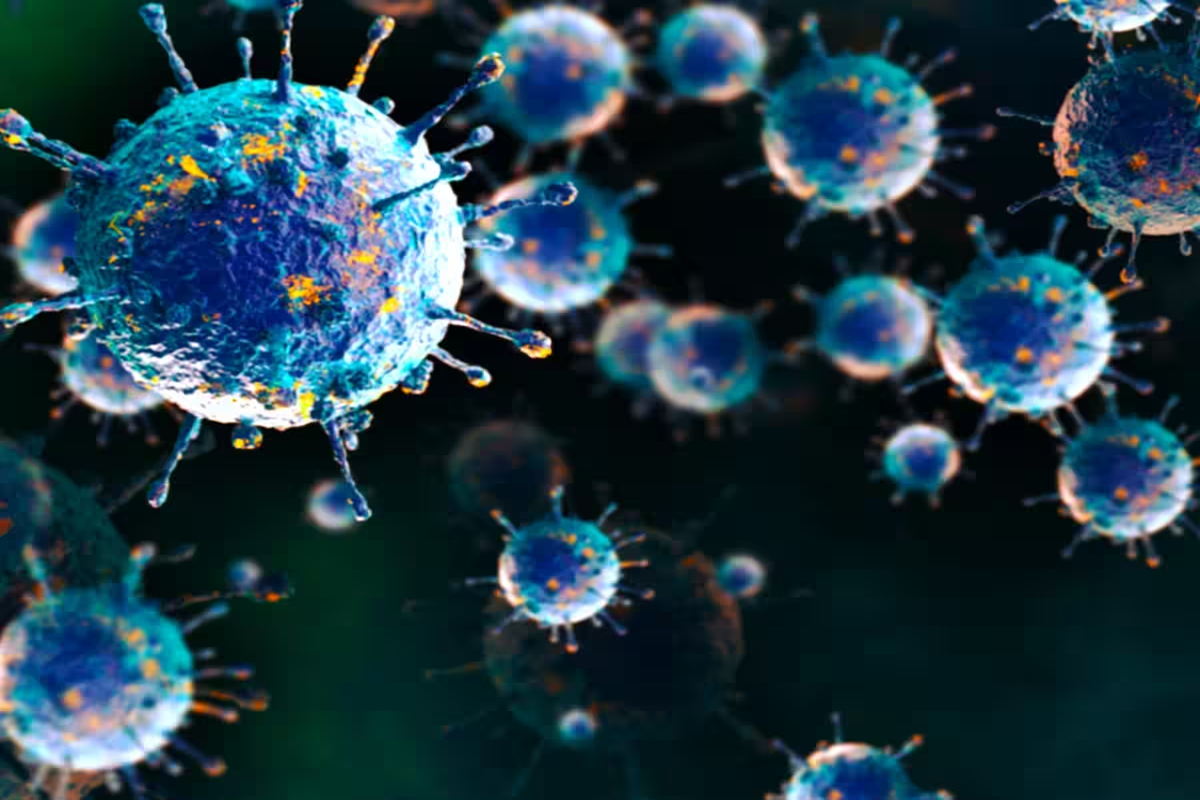
When research was conducted on the oil extracted through this technique, the results were surprising. First, it was discovered that this oil is effective against two harmful bacteria: E. coli, which causes vomiting, diarrhea, and stomach infections, and K. pneumoniae, which causes pneumonia and urinary tract infections. Both of these bacteria form an impenetrable, sticky layer around themselves, called a biofilm.
Antibiotics have no effect
This layer is so strong that even antibiotics have no effect on it. Research has found that amla seed oil breaks down this layer, meaning it penetrates the bacteria's protective shield. And the most important thing about this oil is that it is completely safe for the body.
A test called the Ames Assay also confirmed that this oil does not harm our genes, meaning it is non-toxic and harmless. In another study, the oil's effectiveness was tested on another harmful bacterium, P. aeruginosa, which causes eye, ear, skin, and urinary infections. The World Health Organization (WHO) has also declared this bacterium antibiotic-resistant.
This means that even medications have no effect on this bacterium. However, a specific fatty acid, linolenic acid, present in this oil, eliminated the bacteria's quorum sensing. The method used by bacterial cells to communicate with each other is called quorum sensing. The loss of this communication medium resulted in a decrease in the bacteria's potency and effectiveness.
We also tested this oil on a model organism called C. elegans, which is used as a biological model similar to the human body for biological research. These organisms were first infected with P. aeruginosa bacteria and made disease-prone. After administering amla seed oil, unexpected improvements were observed.
Using this oil, these organisms' lifespans increased, they became more active and healthy, and their reproductive capacity also improved. Both of these Patanjali research papers have been published simultaneously in the prestigious international journal Applied Food Research, published by the world-renowned Elsevier. This is the first time that two of our research papers have been published in the same issue of the same journal. This achievement is not only a matter of pride for Patanjali, but for India and Ayurvedic science as a whole.
The growing threat of antibiotic resistance
This research is also important because, as the threat of antibiotic resistance grows, we need alternatives that provide solutions to these problems. This research has also led to the discovery of a safe and natural treatment, which has proven completely safe in trials. Furthermore, amla seed oil's ability to remove biofilms makes it an effective solution.
Now that it has been proven that amla seed oil contains active ingredients that can kill harmful bacteria, it opens up many future possibilities, including the development of new medications or creams that could be useful in treating skin infections, hair loss, or acne. The oil could also be incorporated into herbal antibacterial products such as herbal sanitizers or herbal soaps. Furthermore, clinical trials of this oil could be conducted in the future to gain a deeper understanding of its effects on the human body.
This research on amla seeds is not just a scientific achievement, but a paradigm shift. While the world is rushing towards chemical medicines, Patanjali has proven that the greatest solutions lie in the natural things around us. And our inability to understand them is our ignorance, and this ignorance will never end until we awaken our inquisitive nature and strive to eradicate it.
Amla seeds, once discarded as useless, have now become scientifically invaluable. Today, Patanjali scientists have proven that when tradition and science go hand in hand, a new era dawns. This research on amla seeds symbolizes India's scientific journey, which integrates nature, tradition, and innovation. It also revives the Indian tradition that says, "Nature is the greatest laboratory, and every plant is a medicine." So, next time you eat amla, don't consider its seeds useless, because it has now been proven that they hold a new future for health and science.