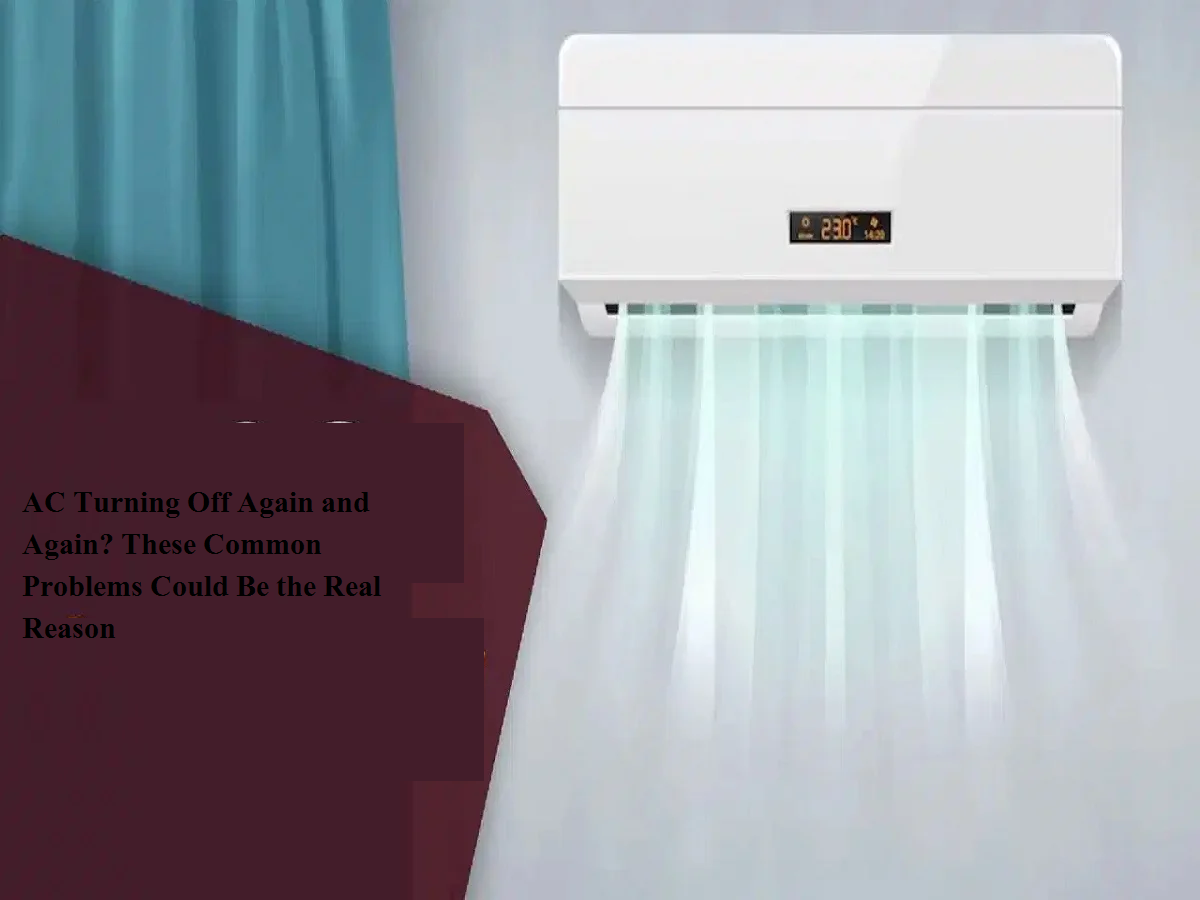
With temperatures rising rapidly across many parts of India and the mercury crossing 45°C in several regions, air conditioners have become an essential part of daily life. During extreme summer heat, people rely heavily on ACs to keep homes and offices cool and comfortable. However, nothing feels more frustrating than an air conditioner suddenly shutting down on its own while running.
One moment the room feels cool and relaxing, and the next moment the AC stops working unexpectedly. Many users ignore these early warning signs, assuming the issue is temporary, but experts say repeated automatic shutdowns can indicate serious technical or electrical problems.
In some cases, the issue may be simple and inexpensive to fix. In others, it could signal internal damage that requires professional attention. Understanding the possible reasons behind sudden AC shutdowns can help users prevent larger failures, expensive repairs, and discomfort during peak summer months.
Why Does an Air Conditioner Shut Down Automatically?
Modern air conditioners are equipped with several safety mechanisms designed to protect the system from overheating, electrical damage, or internal component failure. When the AC detects an abnormal condition, it may shut down automatically to prevent bigger problems.
There are several technical and electrical reasons that can cause this issue. Identifying the problem early can improve cooling efficiency and extend the life of the appliance.
Dirty Air Filters Can Restrict Cooling Performance
One of the most common reasons behind repeated AC shutdowns is a clogged or dirty air filter.
Air filters are responsible for blocking dust, dirt, and pollutants from entering the cooling system. Over time, these filters become filled with dust particles, reducing airflow inside the unit.
When airflow becomes restricted, the AC system starts overheating because cool air cannot circulate properly. To protect the internal components from damage, the system may automatically switch off.
Signs of Dirty Filters
- Weak airflow from vents
- Reduced cooling performance
- AC shutting down frequently
- Increased electricity consumption
- Ice formation near cooling coils
Experts recommend cleaning or replacing AC filters regularly, especially during heavy summer usage.
Faulty Thermostat May Send Incorrect Signals
The thermostat acts as the control center or “brain” of an air conditioner. It monitors room temperature and decides when the cooling cycle should start or stop.
If the thermostat becomes faulty or starts reading incorrect temperatures, it may mistakenly signal the AC to shut off earlier than required, even when the room is still hot.
This problem is more common in older AC units or systems where the thermostat sensor has become damaged.
Common Thermostat Issues
- Incorrect room temperature display
- AC turns off too quickly
- Uneven room cooling
- Constant restarting cycles
- Delayed cooling response
In many cases, recalibrating or replacing the thermostat can solve the issue.
Electrical Problems Can Trigger Automatic Shutdown
Voltage fluctuations, poor wiring, short circuits, and unstable power supply can also force an air conditioner to stop working suddenly.
Modern AC systems are built with safety protection features that automatically shut down the unit if dangerous electrical conditions are detected. This helps prevent compressor damage, overheating, and fire risks.
Electrical Issues That Affect AC Performance
- Frequent power fluctuations
- Loose electrical connections
- Burnt wiring
- Tripping circuit breakers
- Sudden voltage drops
Experts strongly advise against ignoring electrical warning signs, as they can become serious safety hazards if left unresolved.
Faulty Capacitor or Contactor Can Stop the AC
Capacitors and contactors are critical components that help power the compressor and fan motors inside the air conditioner.
The capacitor provides the initial electrical boost required to start the AC motors, while the contactor controls the electrical flow to the system. If either of these parts becomes damaged or weak, the AC may fail to start properly or may shut down while operating.
Symptoms of Capacitor or Contactor Failure
- Clicking noises from the unit
- AC starts and stops repeatedly
- Fan not spinning properly
- Delayed compressor startup
- Sudden shutdowns during operation
Since these components handle high-voltage electricity, professional servicing is usually recommended.
Loose or Damaged Wiring Can Interrupt Communication
Loose, corroded, or damaged wiring can interfere with communication between the thermostat and the AC system. When this connection becomes unstable, the unit may behave unpredictably.
Users may notice irregular cooling patterns, sudden shutdowns, or the AC restarting repeatedly without warning.
Wiring Problems May Cause
- Intermittent cooling
- Random power loss
- Burning smell
- AC not responding properly
- Inconsistent operation
Electrical wiring problems should always be inspected by a trained technician to avoid safety risks.
Overheating Can Reduce AC Lifespan
Repeated shutdowns often indicate that the air conditioner is under excessive stress. Ignoring these signs can reduce the lifespan of the compressor and increase long-term repair costs.
Experts recommend regular maintenance before peak summer months to ensure smooth operation and better energy efficiency.
Tips to Prevent Sudden AC Shutdowns
- Clean air filters regularly
- Service the AC at least once a year
- Check thermostat settings
- Avoid overloading electrical circuits
- Monitor unusual sounds or overheating
Preventive maintenance can significantly improve cooling performance while reducing electricity consumption.
When Should You Call an AC Technician?
If the air conditioner continues shutting down repeatedly even after basic cleaning and troubleshooting, professional inspection becomes necessary.
Users should immediately contact a certified technician if they notice:
- Burning smells
- Water leakage
- Loud noises
- Frequent power trips
- Compressor overheating
Ignoring these issues can lead to expensive damage and complete system failure.
Regular Maintenance Can Improve Cooling Efficiency
As heatwaves continue affecting many regions, air conditioners are running for longer hours than usual. This increases pressure on internal components, making regular servicing more important than ever.
Understanding the reasons behind automatic AC shutdowns can help users take timely action before minor problems turn into major repairs. Whether the issue involves filters, wiring, electrical faults, or internal components, early attention can save money, improve cooling, and extend the life of the appliance during extreme summer conditions.