NEWS
You may not share your OTP, but your bank account could still be empty! This one trick can save you money.
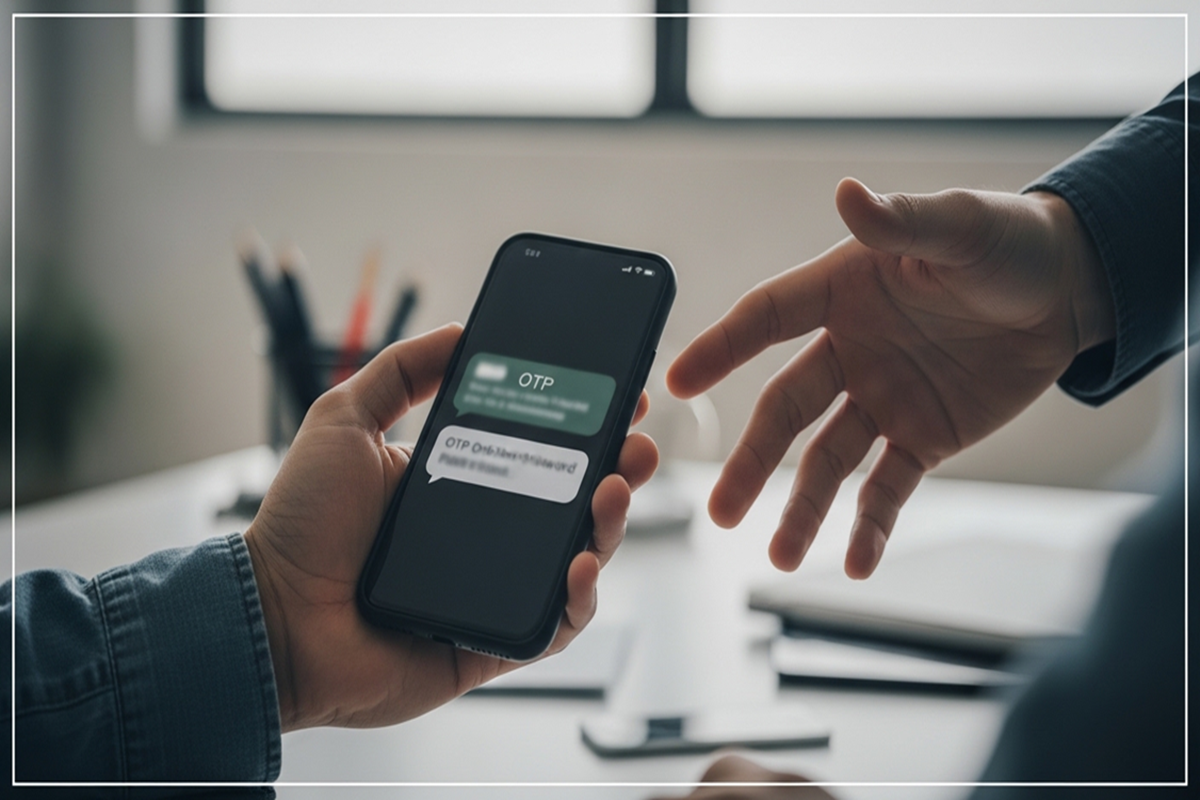
Tech Tips: Earlier, fraudsters used to trap people by posing as bank employees, but now their methods have changed a lot.
(Fraud can happen even without sharing OTP)
Tech Tip: Banking, UPI payments, and social media use via smartphones have become commonplace these days. However, online fraud is also on the rise. In particular, fake OTP scams have become a major tool used to target people. Cybersecurity experts say that adopting a simple habit can help prevent many such scams.
How does the fake OTP scam work?
While fraudsters used to pose as bank employees to trick people, their methods have changed significantly. These days, scammers call posing as delivery agents, telecom company representatives, KYC officers, recruiting agents, or customer service executives.
Show Quick Read
Key points generated by AI, verified by newsroom
In many cases, they even use fake caller IDs or AI-generated voices to make their calls seem genuine. Then, they use an urgent excuse to pressure you into sharing your OTP.
The easiest habit to prevent OTP scams
According to cyber experts, if you receive an OTP on a call from an unknown person, hang up first and only then check the message. This may sound simple, but this habit can save you from serious losses. In reality, fraudsters take advantage of your nervousness and haste. While you're on the call, they constantly pressure you to reveal the OTP without thinking.
After the call ends, you have a chance to think and carefully read the message. Often, you'll find that the OTP was sent for a login, bank transaction, or account reset process that you didn't even request.
Be careful with screen sharing apps too
Cybercriminals not only steal OTPs but also often ask people to download screen-sharing or remote access apps. Installing such apps allows criminals to view your phone screen and access sensitive banking information, OTPs, and other personal data. Therefore, it's important not to trust any apps or links sent by unknown individuals.
Remember these 3 rules to keep your money safe.
Do not share OTP with anyone.
Banks, UPI service providers, or government agencies never ask for OTP over phone calls.
Don't believe the scaremongering immediately.
Saying your SIM is about to be deactivated or your account will be blocked are often tricks used by scammers.
Always contact the official number yourself.
Don't rely solely on the caller ID. Scammers are capable of using fake names and numbers. If in doubt, call the official number of the relevant organization yourself.
A few seconds of caution can save you a lot of damage.
Most OTP scams succeed because people react quickly without checking. A simple rule: end the call before viewing or sharing the OTP can significantly reduce your chances of falling victim to online fraud.