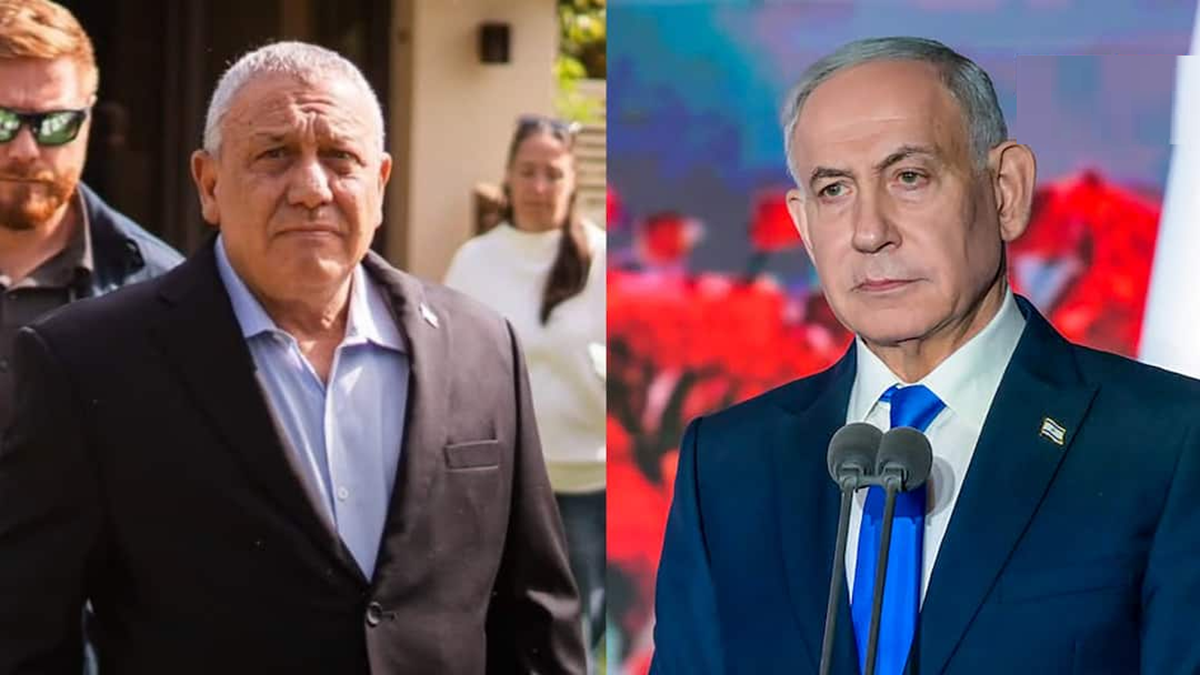
Neither Netanyahu's coalition nor Eizenkot's camp secured the 61 seats needed for a majority in the Knesset. The Israeli president will announce on November 8 who he will appoint to form a new government.
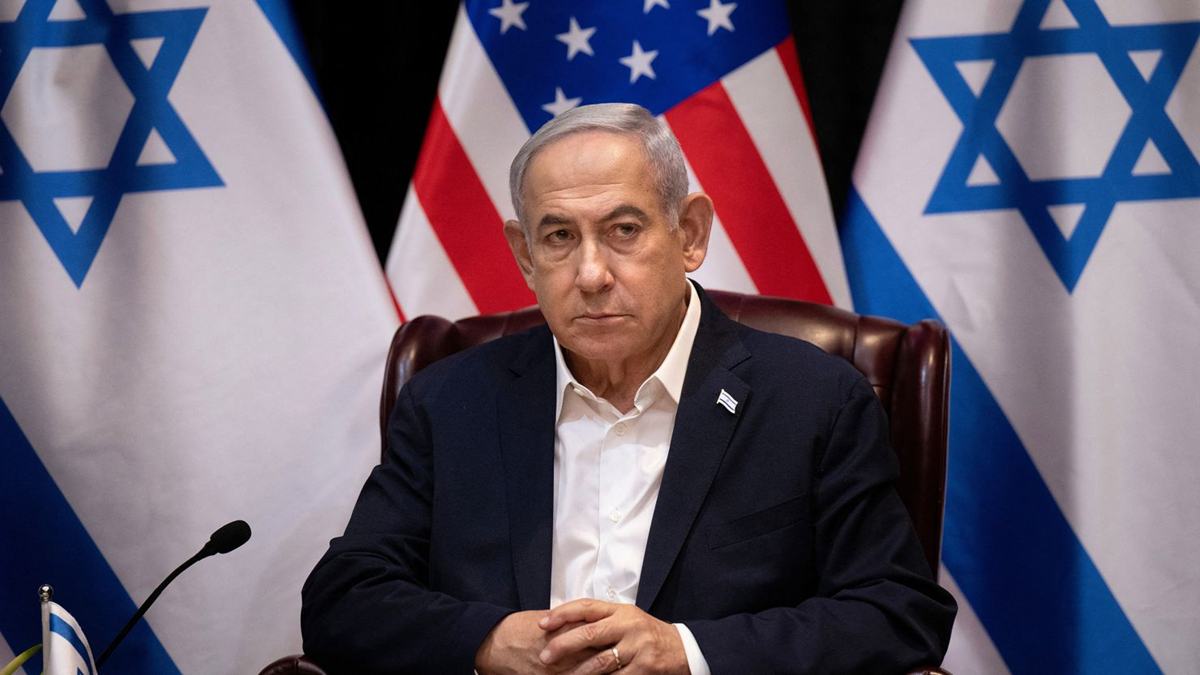
Will Eizenkot become Israel's new PM?
The picture of who will form the next government in Israel will become clear in two days. Israeli President Isaac Herzog will announce on Sunday (November 8) who he will entrust with forming the new government. Opposition leader Gadi Eizenkot has received a large number of recommendations to replace Prime Minister Benjamin Netanyahu. Arab parties have supported Eizenkot during the negotiation process with President Isaac Herzog on Thursday.
Netanyahu's coalition won 53 seats in the 120-member Knesset (Israeli Parliament), while Eizenkot's coalition secured 48. Meanwhile, Arab parties won a record 19 seats, securing a key role in government formation.
Arab parties became 'kingmakers' by winning 19 seats.
Amid the post-election political deadlock, Arab parties have announced their support for Eisenkot. If Eisenkot's opposition agrees to work with him, he could play the role of kingmaker. However, it is not yet clear whether this will happen.
Where is the screw stuck?
Yisrael Beitenu, a right-wing party in Eizenkot's coalition, has stated categorically that it will not join any government that relies on the support of Arab parties. Party leader Avigdor Lieberman cited the Arab parties' refusal to openly recognize Hamas as a "terrorist organization." However, Arab parties have repeatedly condemned the Hamas attack on Israel on October 7, 2023.
Meanwhile, United Torah Judaism, Netanyahu's longtime ally, did not recommend Netanyahu for the post of Prime Minister during its meeting with President Herzog. However, it also did not endorse Aizenkot. This is being considered a major blow to Netanyahu. United Torah Judaism won seven seats.
61 seats are needed for a majority.
Neither Netanyahu's coalition nor Eizenkot's camp secured the 61 seats needed for a majority in the Knesset. Following the election results, President Herzog began negotiations on Wednesday with the political parties that won seats in the Knesset. Israeli presidents typically assign the task of forming a government to the member of parliament they deem best likely to form one.
This decision also takes into account the support offered by political parties during the deliberations. The entire process is broadcast live. The leader tasked with forming a government has 28 days to form a coalition. If the President deems there is a reasonable possibility of forming a government, he may, at his discretion, extend this period by another 14 days.