In today’s digital world, communication is no longer limited to mobile networks. With the rise of internet-based technologies, calling has become smarter and more reliable—even in areas with weak or no signal. One such feature available on most smartphones today is WiFi Calling.
Despite being widely available, many users are still unaware of how it works or whether they should keep it turned on. Here’s a complete, easy-to-understand guide to WiFi Calling, its benefits, and how to use it safely.
What Is WiFi Calling?
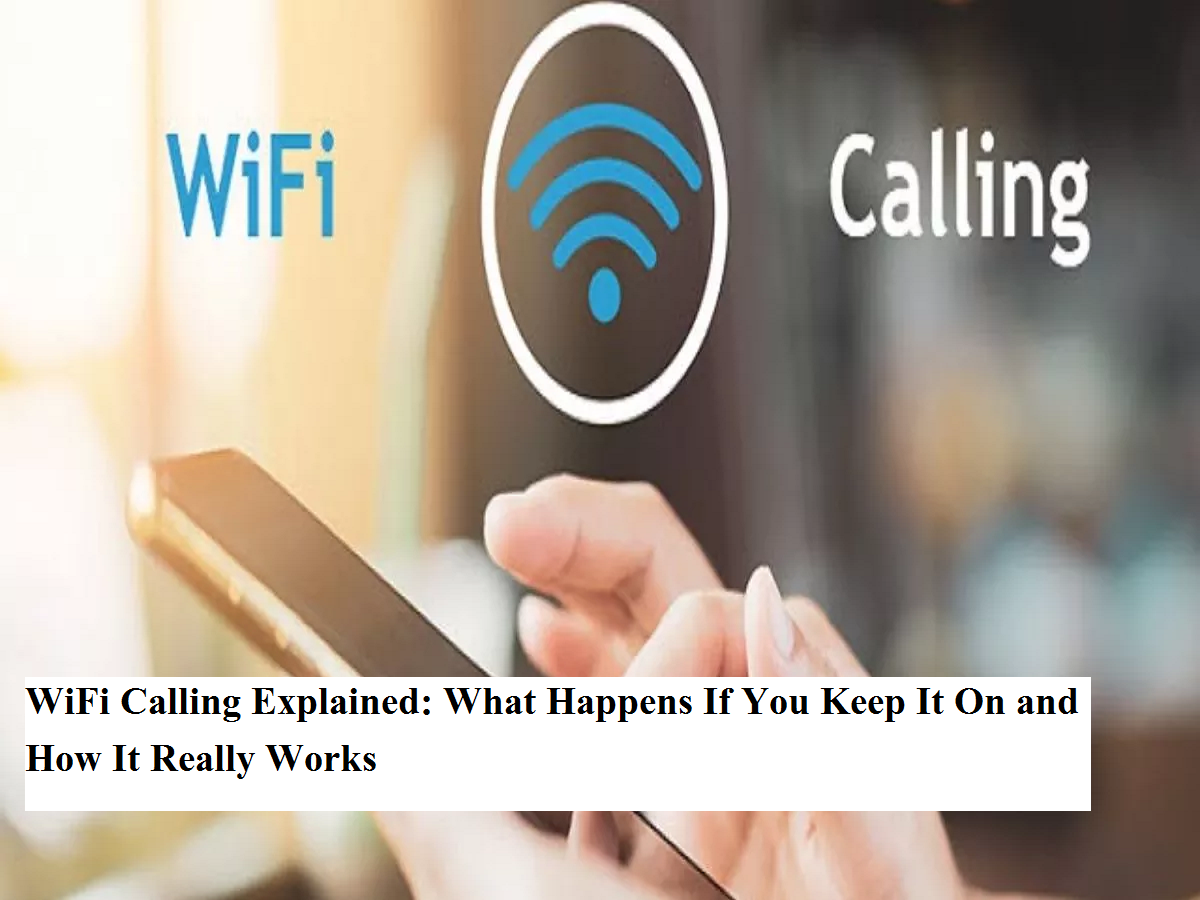
WiFi Calling is a feature that allows you to make and receive phone calls using a Wi-Fi network instead of your mobile network.
The best part? You don’t need apps like WhatsApp or Facebook Messenger. It works directly from your phone’s dialer—just like a normal call.
When WiFi Calling is enabled:
- Your call is routed through the internet
- It connects to your telecom operator’s server
- The voice is delivered to the other person just like a regular call
So, even though it uses the internet, the experience feels exactly like a standard phone call.
How Does WiFi Calling Work?
Normally, calls depend on your SIM network (like 4G/5G signals). But with WiFi Calling:
- If your network is weak or unavailable, your phone automatically switches to Wi-Fi
- Calls are transmitted via your Wi-Fi connection instead of cellular towers
- The transition is often seamless, so you won’t even notice the switch
This makes it especially useful in places where mobile signals are poor.
What Happens If You Keep WiFi Calling ON?
Keeping WiFi Calling turned on can actually improve your calling experience in several situations:
✔ Better Connectivity in Low Signal Areas
If you’re in a basement, inside thick-walled buildings, or in remote villages, mobile signals can be weak. WiFi Calling ensures your calls still connect smoothly.
✔ Fewer Call Drops
When your mobile network fluctuates, calls may drop frequently. With a stable Wi-Fi connection, call drops are significantly reduced.
✔ Improved Call Quality
WiFi networks often provide clearer voice quality compared to weak cellular signals.
✔ No Network? No Problem
Even if your SIM shows no signal, you can still make and receive calls using Wi-Fi.
When Should You Be Careful?
While WiFi Calling is useful, there are a few things to keep in mind:
- Internet Quality Matters: A slow or unstable Wi-Fi connection can cause call interruptions or poor audio quality.
- Avoid Public Wi-Fi: Making calls over unsecured public networks can pose privacy risks.
- Battery Usage: Slightly higher battery consumption may occur if WiFi Calling constantly switches between networks.
For the best experience, use a secure and stable home Wi-Fi connection.
How to Enable WiFi Calling
You can easily turn on this feature in your phone settings:
- Go to Settings
- Tap Network & Internet or Connections
- Select WiFi Calling
- Turn it ON
(Some phones may have slightly different menu names depending on the brand.)
Final Takeaway
WiFi Calling is a powerful feature that ensures you stay connected even when mobile signals fail. Keeping it ON is generally beneficial, especially if you often face network issues indoors or in remote areas.
As long as you’re using a secure and stable Wi-Fi connection, WiFi Calling can significantly improve call quality and reliability—making it a smart setting to keep enabled on your smartphone.