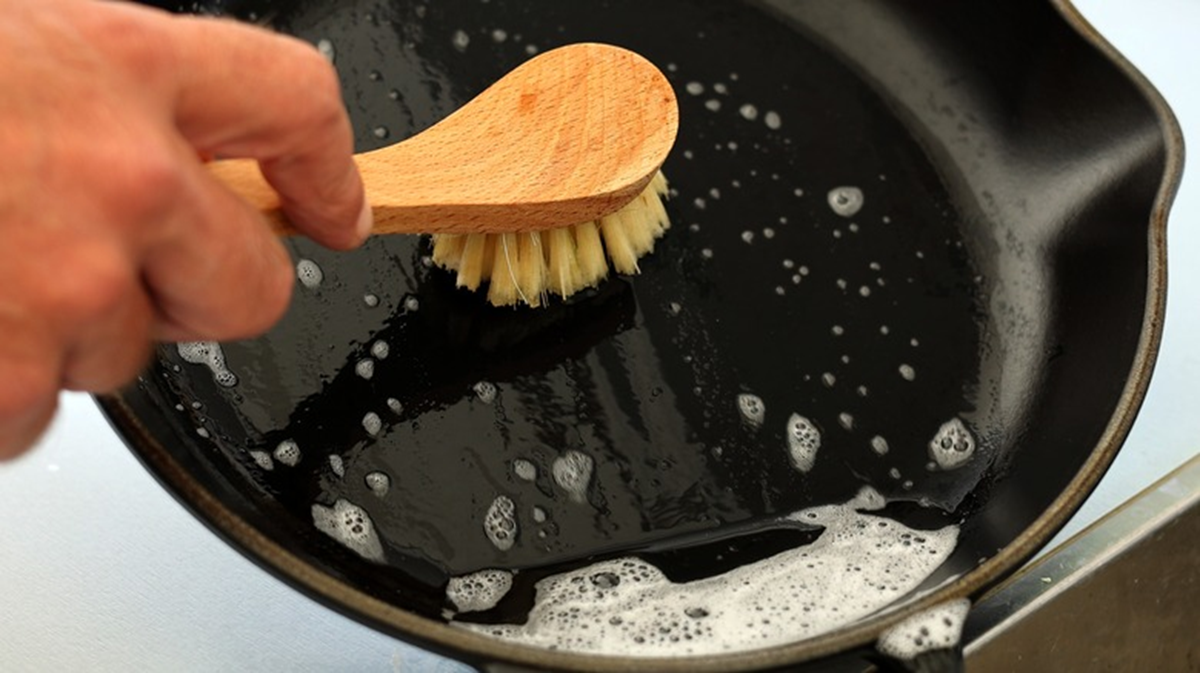
Pouring water on a hot pan immediately after cooking can be harmful to both your health and your kitchen. Know the shocking thermal shock science behind it, due to which the utensils get bent forever.
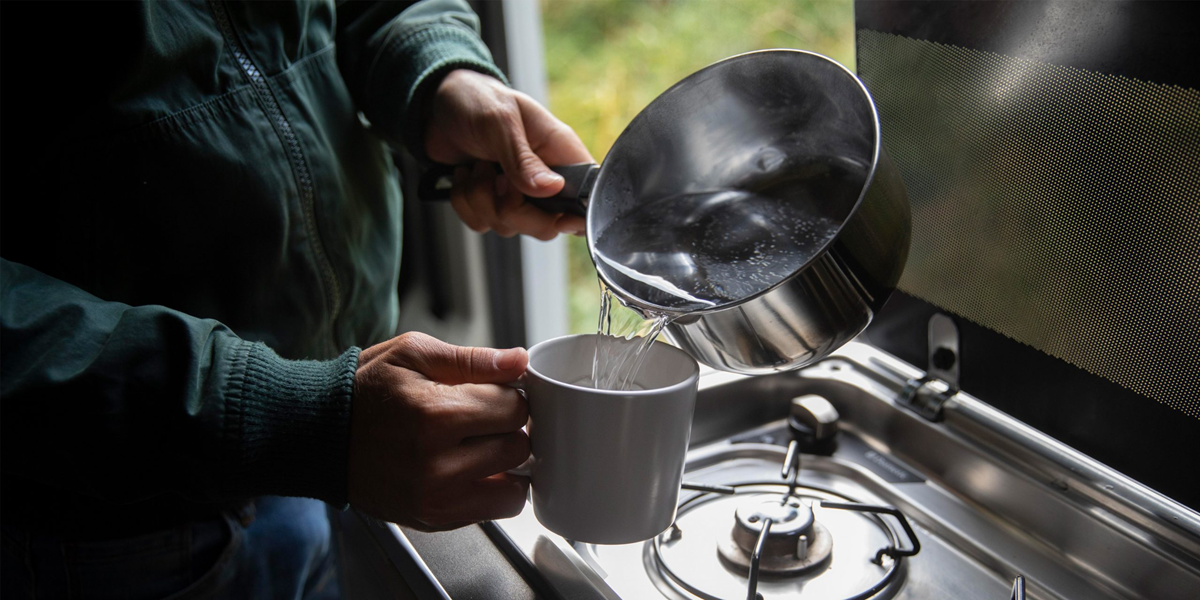
Due to the failure of the pan
In Indian kitchens, the pan is used daily to make rotis. It's common to see people immediately dump the hot pan into the sink or pour water directly onto it after making rotis. Elders often discourage this practice. Some people attribute this to a common belief or a harbinger of bad luck, but there's a profound scientific reason behind it. Immediately pouring water onto a hot pan can ruin your utensils and even lead to a kitchen accident.
What is thermal shock?
When we suddenly pour cold water onto a hot pan, this process is scientifically known as thermal shock. Whether the pan is made of iron, aluminum, or non-stick, the metal particles expand as it heats up. When cold water is suddenly poured onto this extremely hot metal, the temperature drops rapidly.
The part of the metal that comes into direct contact with the water immediately contracts, while the rest of the pan remains hot and expanded. This sudden and large temperature difference creates enormous pressure within the metal. This scientific principle is what causes a loud sizzling sound and the release of steam when water is poured onto a hot pan.
The shape of the pan gets spoiled.
The first and most direct effect of thermal shock is on the shape of the pan. The metal cannot withstand the pressure of this sudden contraction and expansion. This causes the pan to become bent or bulge in the middle, a phenomenon known as warping.
Once a pan's shape is distorted or uneven at the bottom, it's very difficult to bake rotis again. A skewed pan doesn't distribute heat evenly, leaving rotis burnt in some areas and undercooked in others.
Major damage to non-stick and iron pans
Pouring water on a hot non-stick pan is especially harmful. These pans have a special Teflon coating that prevents food from sticking. Thermal shock causes this coating to leave the pan's surface and begin to peel off. A pan with a damaged coating can be extremely hazardous to health.
On the other hand, suddenly pouring water on an iron pan can strip away its protective layer. This causes the iron pan to rust rapidly, and the next time you make rotis, they will stick to the pan.
The right way to clean utensils
To preserve your kitchen utensils and pans for a long time, it's crucial to follow the right methods. After making rotis, leave the pan on the stove and let it cool completely. Only after the pan has reached room temperature, take it to the sink to wash it.
If some food is stuck to the pan and is difficult to clean, pour a little lukewarm water and liquid soap into the cooled pan and let it sit for a while. This will loosen the dirt and allow the pan to be cleaned easily without any damage.