LIFESTYLE
Helmet Buying Guide 2026: 5 Essential Safety Checks Every Bike and Scooter Rider Should Know
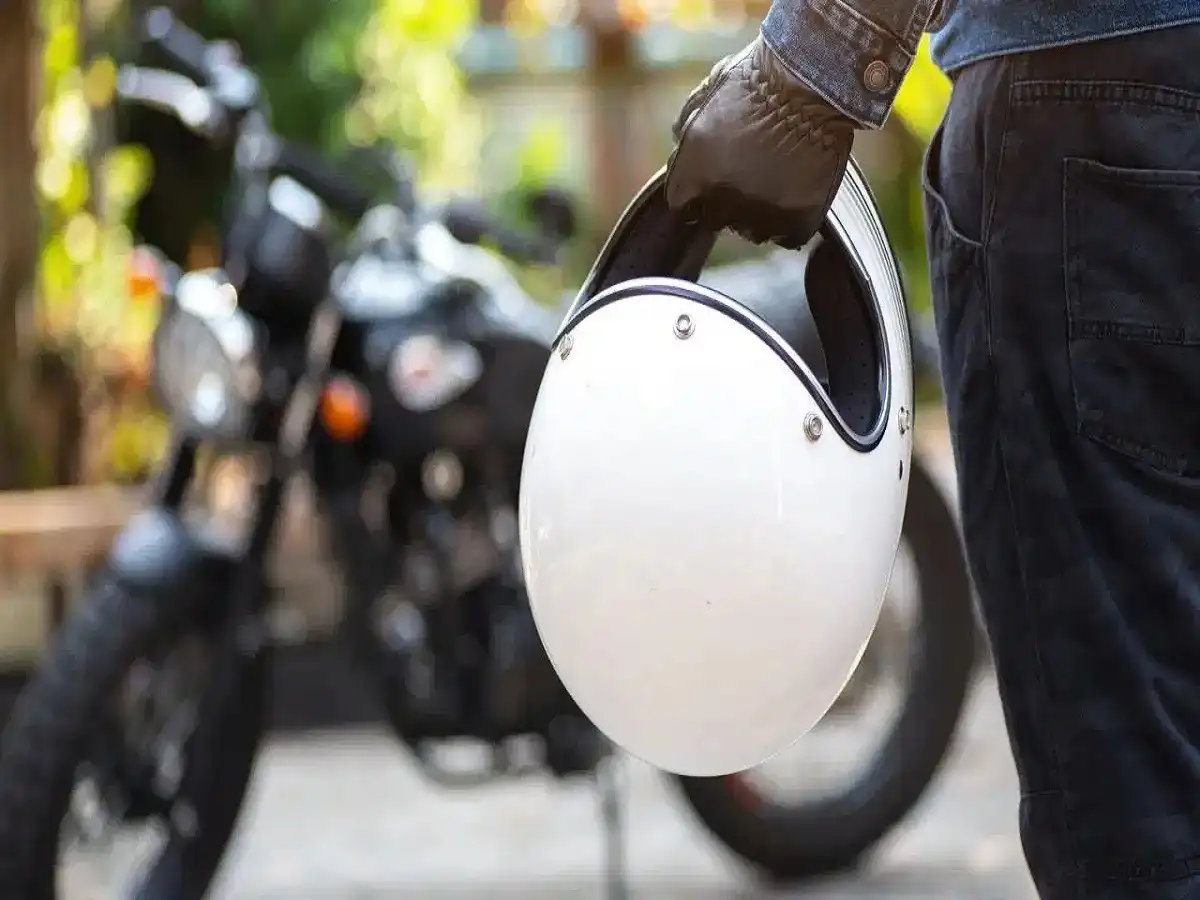
Helmet Safety Tips 2026: Wearing a helmet while riding a motorcycle or scooter is one of the most important road safety precautions. However, many two-wheeler riders purchase helmets simply to avoid traffic fines without checking whether the product offers adequate protection.
A helmet is not merely an accessory or a legal requirement. Its primary purpose is to reduce the risk of serious head injuries during road accidents.
Choosing an unsuitable, poorly fitted or uncertified helmet can significantly compromise rider safety. Even an expensive helmet may not provide the expected protection if it does not fit properly or is worn incorrectly.
Before purchasing a new helmet, riders should examine its certification, construction quality, visor, fitting and retention system.
Here are five essential factors to consider when buying a helmet for everyday motorcycle or scooter use.
1. Check ISI Certification Before Purchasing a Helmet
One of the first things buyers should verify is whether the helmet complies with applicable Indian safety standards.
In India, motorcycle helmets are covered by the Bureau of Indian Standards (BIS) specification IS 4151.
A genuine BIS-certified helmet carries the Standard Mark, commonly known as the ISI mark, along with the relevant licence information.
However, buyers should not assume that every helmet displaying an ISI sticker is authentic.
Counterfeit markings and misleading product labels can make it difficult to distinguish genuine certified helmets from poor-quality alternatives.
What should you check?
- Look for a genuine BIS Standard Mark and licence details.
- Check the manufacturer's name and product information.
- Purchase from an authorised retailer or a trustworthy seller.
- Avoid helmets with suspicious labels or missing identification details.
- Where possible, verify certification information through official BIS services.
Choosing a properly certified helmet is an important first step towards ensuring that the product meets established safety requirements.
2. Examine the Outer Shell and Inner Protective Liner
A helmet's construction plays a critical role in protecting the rider during an accident.
The outer shell is designed to help manage impact forces and protect the helmet's internal structure.
Inside the shell, a protective impact-absorbing liner, commonly made from expanded polystyrene (EPS), helps reduce the forces transmitted to the head.
This impact-absorbing liner is different from the soft comfort padding that touches the rider's head.
Both components serve important but separate purposes.
The impact liner contributes to crash protection, while the comfort padding helps maintain a secure and comfortable fit.
Before purchasing, inspect the helmet for visible cracks, dents, damaged components or loose internal materials.
A helmet should feel well constructed, but buyers should remember that appearance alone cannot establish its crashworthiness.
A helmet that feels unusually hard or heavy is not necessarily safer. Proper certification, design and fitting are more reliable indicators.
3. Choose a Good-Quality Visor for Clear Visibility
The visor is another important part of a motorcycle helmet.
It helps shield the rider's eyes and face from wind, dust, insects and rain.
Poor-quality visors can distort vision, develop scratches or reduce visibility in challenging lighting conditions.
A clear, impact-resistant visor that is compatible with the helmet is generally a practical choice for everyday riding.
Several visor options are available in the market.
Clear Visor
A transparent visor provides visibility across a wide range of lighting conditions and is generally the most versatile option, particularly for riders travelling after sunset.
Smoke or Tinted Visor
Tinted visors can reduce glare in bright sunlight.
However, dark visors may reduce visibility at night or in poorly lit conditions.
Mirror or Iridium Visor
These visors feature reflective coatings that can reduce perceived brightness in sunny conditions.
Their suitability depends on light transmission, applicable regulations and riding conditions.
Day-Night Visor
Some helmets offer dual-visor arrangements or other systems intended to accommodate changing light conditions.
Riders should ensure that the visor used at night provides adequate visibility.
Important: Avoid dark or heavily tinted visors during night riding. Always follow applicable visibility and safety requirements.
4. Check Helmet Size and Fit Before Buying
Even a certified helmet may not provide optimal protection if it does not fit correctly.
A helmet that is too loose can shift during riding and may not remain in the intended position during an accident.
On the other hand, an excessively tight helmet can cause discomfort, pressure points and headaches.
For this reason, purchasing a helmet without trying it on can be a costly mistake.
How to Check the Fit
Wear the helmet and fasten the chin strap properly.
The helmet should feel snug around the head without creating painful pressure.
Move your head gently from side to side and up and down.
The helmet should remain stable rather than sliding or rotating freely.
Try moving the helmet with your hands while keeping your head still. Excessive movement may indicate that the size or shape is unsuitable.
Wear it for several minutes to check for uncomfortable pressure points.
Different helmet brands may have different internal shapes, so the same labelled size may not fit identically across manufacturers.
Always select the helmet that fits your head securely rather than choosing a size based only on appearance or price.
5. Inspect the Chin Strap and Locking Mechanism
A helmet's retention system is essential because it helps keep the helmet securely positioned during a crash.
The chin strap and fastening mechanism should be strong, properly attached and easy to operate.
Before buying, examine the strap for weak stitching, frayed material or damaged components.
Fasten the buckle and confirm that it locks securely.
The strap should be adjusted according to the manufacturer's instructions so that the helmet cannot easily come off.
A loose or unfastened chin strap can significantly reduce the effectiveness of an otherwise well-designed helmet.
Riders should develop the habit of fastening the strap correctly every time they use their motorcycle or scooter, even for short journeys.
Full-Face or Open-Face Helmet: Which Is Better?
Motorcycle helmets are available in several designs, including full-face, open-face and modular models.
A full-face helmet covers the head and includes a protective chin bar, offering additional coverage for the lower face and jaw.
An open-face helmet leaves more of the face exposed.
Modular helmets generally include a movable chin section, although their design and safety characteristics vary by model.
For riders seeking greater facial coverage, a properly certified and correctly fitted full-face helmet is generally a strong option.
Regardless of the design, certification and fit should remain the primary considerations.
When Should You Replace Your Motorcycle Helmet?
A helmet should be replaced after a significant impact or crash if the manufacturer recommends replacement, even when external damage is not obvious.
The internal impact-absorbing liner may have been compressed or damaged without visible signs on the outer shell.
Helmets should also be inspected regularly for deterioration, damaged straps, loose fittings and other defects.
Replacement intervals vary by manufacturer, usage conditions and product design.
Always follow the manufacturer's guidance rather than assuming that a helmet remains safe indefinitely.
Buying a second-hand helmet is generally best avoided because its accident history and internal condition may be unknown.
Common Helmet Buying Mistakes Riders Should Avoid
Many riders make purchasing decisions based mainly on appearance, discounts or convenience.
However, road safety should take priority over cosmetic preferences.
Avoid buying uncertified helmets, choosing an incorrect size, relying on imitation safety labels or purchasing a product with damaged internal components.
Do not assume that the most expensive helmet automatically offers the best protection.
A well-fitted, genuine, certified helmet is more important than decorative features or brand popularity alone.
Riders should also avoid making unauthorised modifications that could affect the helmet's protective performance.
Final Takeaway
A motorcycle helmet is one of the most important pieces of safety equipment for anyone travelling on a two-wheeler.
Before purchasing, verify its BIS certification, inspect the protective construction, examine visor quality, check the fitting and test the chin strap.
These five precautions can help riders make a more informed decision and avoid products that may compromise their safety.
Most importantly, a helmet should always be worn correctly and securely fastened.
Remember: The purpose of wearing a helmet is not simply to avoid a traffic fine. It is to protect your head and reduce the risk of serious injury in an accident.
Official Reference: Bureau of Indian Standards (BIS) — https://www.bis.gov.in/
Safety Disclaimer: Helmet performance depends on certification, correct fitting, proper use and the circumstances of an accident. No helmet can eliminate every risk of head injury.