

IVF isn't a mechanical process. It's a combination of your body, hormones, genetics, and mental state. Sometimes, everything looks fine on the outside, but there's a bigger problem underneath.
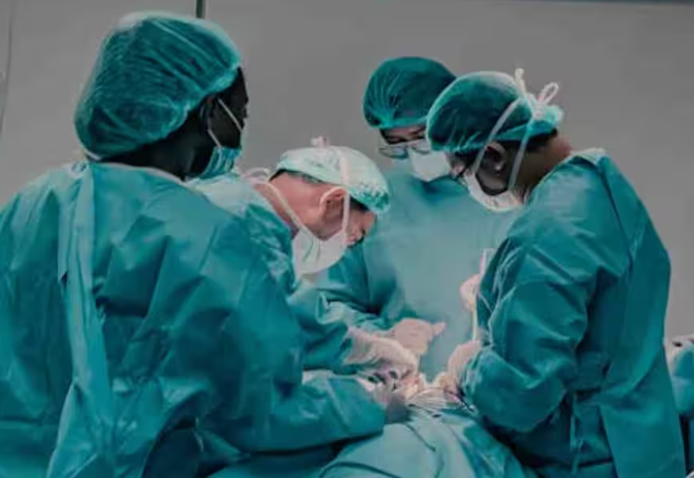
Symptoms of IVF failure
Today, IVF (in vitro fertilization) has become a ray of hope for couples who have long dreamed of becoming parents. When IVF is chosen after years of trying, treatments, medications, and emotional upheaval, expectations soar. Doctors say the eggs are good, the sperm are fine, the embryos are beautiful, and the uterus is ready. Yet, when the results come back negative, only one question resonates: why did the IVF fail when everything was perfect?
IVF isn't a mechanical process. It's a combination of the body, hormones, genetics, and mental state. Sometimes, everything looks fine on the outside, but a small problem lurks deep inside, preventing the pregnancy from progressing. Let's explore why IVF can fail even when everything seems perfect.
How to recognize the symptoms of IVF failure?
In IVF, the first 14 days after embryo transfer are crucial. This is called the two-week wait. During this time, women take medications like progesterone, which can cause pregnancy-like symptoms, whether or not pregnancy occurs. However, there are some signs that may indicate IVF failure. For example, if you experience normal menstrual-like bleeding a few days after embryo transfer, it could mean the embryo failed to attach to the uterine wall.
Regardless of what a home test shows, the most reliable test in IVF is the beta-HCG blood test. If hormone levels don't rise, the IVF cycle is considered a failure. If you previously experienced breast tenderness, mild abdominal pain, or fatigue, and these suddenly disappear, it could be a sign that pregnancy hormone production has stopped. Be careful not to stop medications without consulting your doctor, as in some cases, pregnancy may continue despite bleeding.
Why does IVF fail even when everything is perfect?
1. Embryo – Sometimes, an embryo looks beautiful, but it may have a genetic problem. Such embryos either fail to implant or deteriorate quickly. This is considered the most common cause of IVF failure.
2. Uterine lining - If the endometrium, the inner lining of the uterus, is too thin (less than 7mm), weak, or not formed at the right time, the embryo does not receive nutrition, and implantation fails.
3. Internal pregnancy problems – Fibroids, polyps, cysts, or adhesions caused by previous surgery can also hinder the adhesion of the embryo.
4. Lack of blood flow – If the blood flow to the uterus is not proper, the embryo does not get the necessary oxygen and nutrition.
5. Infection or TB – Chronic infection (like TB) in the uterus or tubes can cause accumulation of dirty fluid in the tubes, which can prove toxic to the embryo.
6. Advancing age – After age 35, both the number and quality of eggs begin to decline. This increases the risk of genetic defects.
7. Lifestyle and stress – Obesity, smoking, poor eating habits, and excessive stress reduce the success of IVF to a great extent.
8. Immune system problems – In some women, the body's immune system attacks the embryo, mistaking it for a foreign object, which causes implantation to fail.
9. Negligence in medicines - Not taking medicines on time or not following the doctor's advice properly can also be a major reason for IVF failure.