Union Minister Dr. Jitendra Singh made a major statement in the Lok Sabha regarding the paper leak protests. He stated that no bullets were fired at the protesters; only tear gas was used.
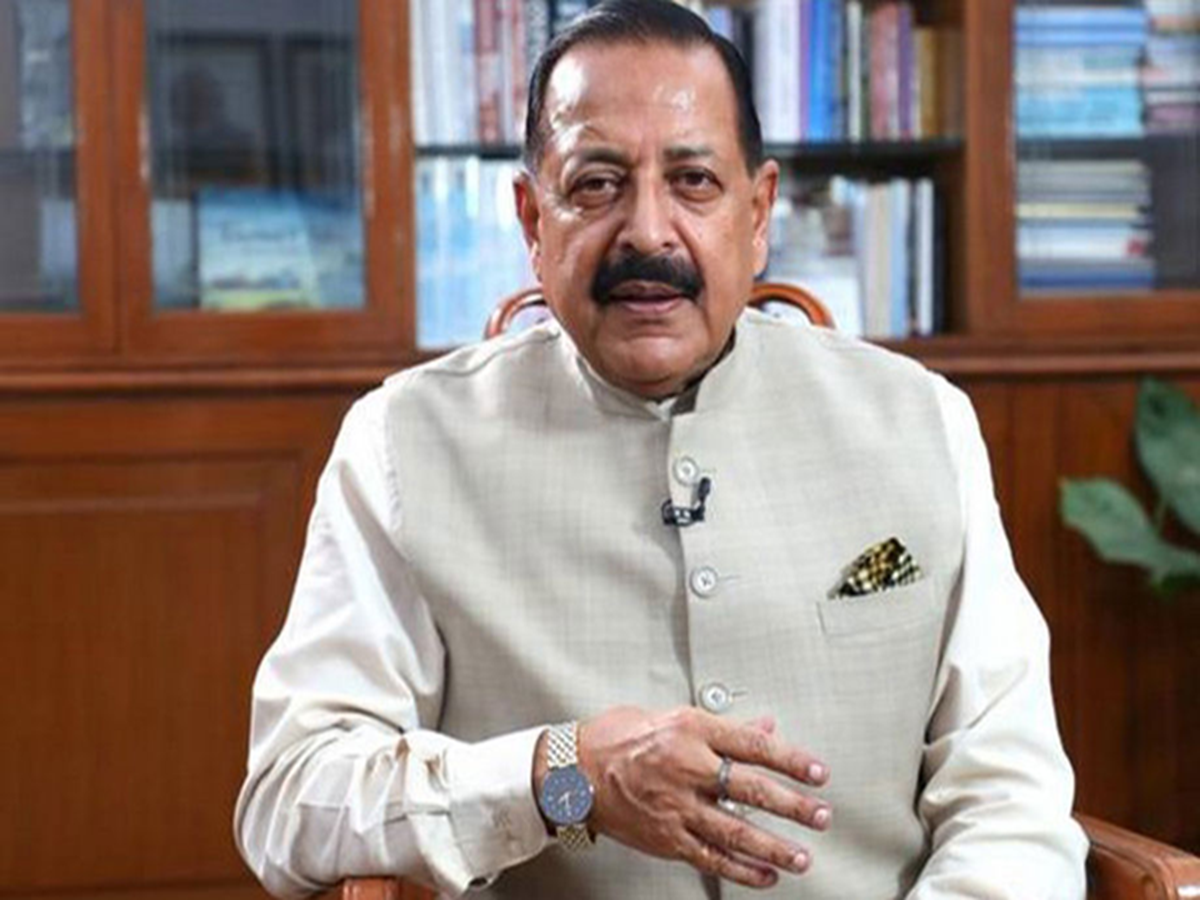
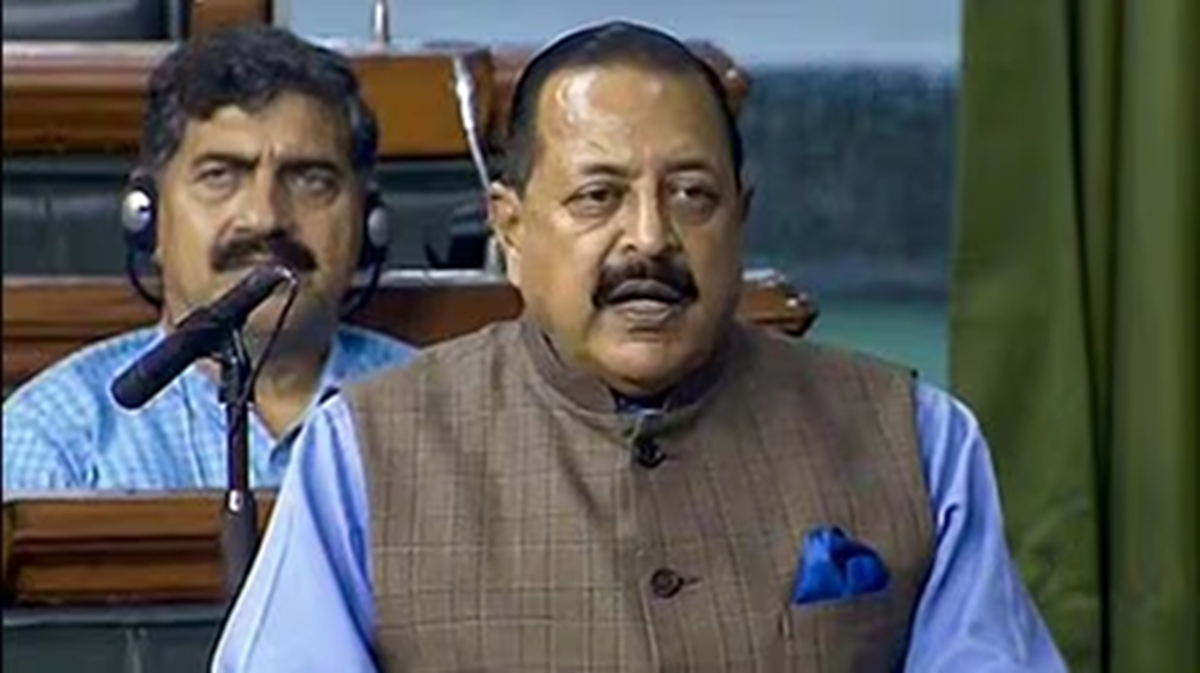
Union Minister Dr. Jitendra Singh in Lok Sabha
During the Lok Sabha debate on the Public Examinations (Amendment) Bill, 2026, Union Minister Dr. Jitendra Singh provided important information regarding the student protests against the paper leak and the police action. He categorically stated that no bullets were fired at the protesters during the demonstrations.
He said that some leaders have raised questions about who ordered the crackdown on protesters, but this allegation is factually incorrect. The minister clarified that only tear gas shells were fired during the demonstration to control the crowd. No firing took place.
https://www.youtube.com/embed/yUyvbrYT-3w?si=NFq253iEG_wqGX7D
It is not appropriate to accuse the Union Minister of giving orders
Dr. Jitendra Singh also pointed out that if a situation requires the use of force or firing, it is not ordered by a minister. According to Indian law, only a magistrate has the authority to issue such orders, so it is not appropriate to accuse a Union Minister of issuing such orders.
The government takes the problems of students seriously.
Dr. Jitendra Singh stated in the House that the government takes students' concerns seriously, but maintaining law and order is also essential. Therefore, security agencies and the administration take necessary steps as needed, depending on the situation. He reiterated that reports of firing during the protests are completely false and that only tear gas was used. The Union Minister's statement ignited a new debate in the House regarding police action during the paper leak movement and the treatment of protesters. The government's position is that no lethal action was taken during the protests and all actions were taken within the ambit of the law.