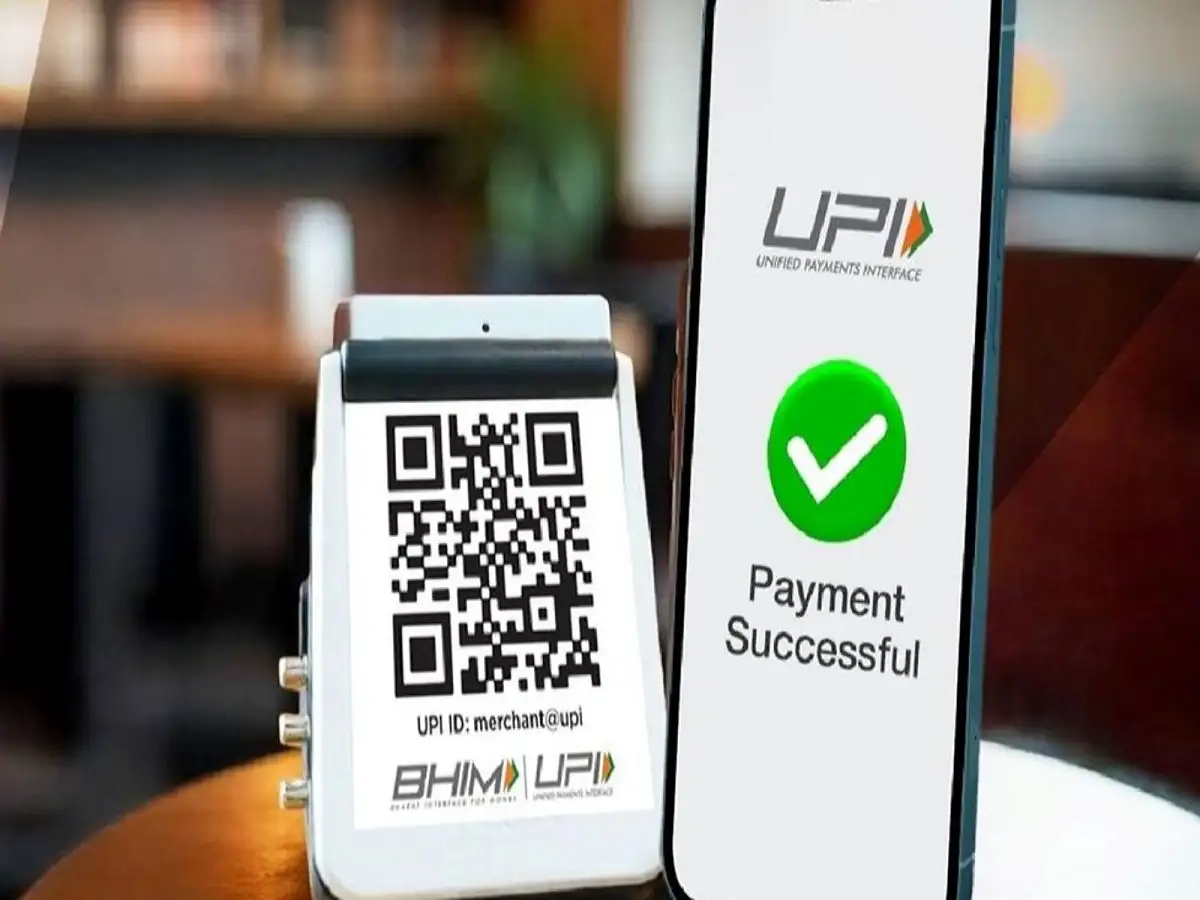
Unified Payments Interface (UPI) has transformed the way people in India pay for products and services. From grocery stores and restaurants to online purchases and utility payments, digital transactions have become a routine part of everyday life.
However, a new Merchant Discount Rate (MDR) framework is set to change the cost structure for certain large UPI payments. Under the framework described in the source material, the changes are scheduled to take effect from October 15, 2026, and primarily concern eligible Person-to-Merchant (P2M) transactions.
Importantly, the proposed charges are described as a cost for merchants rather than a direct fee for customers. Here is a closer look at what the new structure means.
What Is Changing From October 15?
Under the new MDR structure, eligible P2M UPI transactions of up to ₹2,000 will not attract MDR.
For transactions above ₹2,000 that fall within the applicable categories, an MDR of 0.4% will apply. However, the charge will be capped at ₹300 for payments of ₹75,000 or more.
The key points are:
- UPI P2M payments up to ₹2,000: No MDR
- Eligible payments above ₹2,000: 0.4% MDR
- Maximum MDR for payments of ₹75,000 or more: ₹300
- Person-to-Person (P2P) transfers: Continue to remain free under the stated framework
- MDR: Payable by the applicable merchant, rather than being directly charged to the customer
This means the change is primarily aimed at the merchant side of larger UPI transactions.
Most Small UPI Payments Would Remain Outside the Charge
According to the information provided in the source article, more than 95% of UPI P2M transactions by volume are valued at ₹2,000 or less.
If that figure and framework remain applicable, a large proportion of routine transactions would therefore continue without MDR. Everyday payments such as buying groceries, paying for meals, purchasing small items or making other low-value payments would generally fall below the stated threshold.
The impact would be more relevant for merchants accepting larger eligible payments.
How Much Would the MDR Be on Larger Payments?
The 0.4% rate makes it possible to understand the potential merchant cost through simple examples.
For a ₹3,000 eligible transaction, 0.4% would amount to ₹12.
For a ₹50,000 payment, the MDR would work out to ₹200.
A ₹75,000 transaction would result in ₹300 at the 0.4% rate, reaching the stated maximum.
For a ₹1 lakh payment, 0.4% would normally equal ₹400. However, because the proposed MDR has a ₹300 cap, the applicable amount would remain ₹300.
These calculations describe the merchant-side MDR and should not be interpreted as an additional amount that a customer must automatically pay at checkout.
Small Merchants Could Get an Exemption
The framework also includes a provision aimed at smaller businesses.
Eligible merchants receiving up to ₹1 lakh per month through UPI QR transactions would reportedly remain exempt from MDR.
Such a provision is intended to prevent very small businesses from facing additional transaction costs under the new system. This could be particularly relevant for small retailers and local businesses that primarily receive modest-value digital payments.
Eligibility, however, would depend on the applicable rules and merchant classification.
Different Rates for Certain Sectors
Not every category would necessarily follow the standard 0.4% rate.
The source material identifies certain sectors where a different MDR structure would apply. For eligible transactions above ₹2,000 in areas such as railways, telecommunications, insurance and fuel, a flat ₹5 MDR is stated.
Capital-market-related transactions would have a different structure, with an MDR of 0.02%, subject to a maximum of ₹300. The category includes payments associated with areas such as mutual funds, stockbrokers and securities dealers.
These sector-specific provisions mean that the applicable charge can depend not only on the transaction amount but also on the nature of the merchant or payment.
Will Customers Have to Pay the MDR?
One of the most important points for UPI users is who bears the MDR.
Under the framework described in the source material, the charge is intended to be paid by the merchant, not directly by the customer.
For example, if a product or service costs ₹3,000 and the customer pays through UPI, the merchant-side MDR would be calculated separately. The customer should not automatically be asked to pay an additional ₹12 simply because UPI was used.
Consumers should therefore distinguish between the price of a product or service and any merchant-side payment-processing cost.
Why Is an MDR Framework Being Introduced?
UPI processes an enormous volume of digital payments every month. Operating such infrastructure involves expenses related to servers, network capacity, technical systems, fraud prevention and cybersecurity.
The source article cites industry estimates putting the annual cost of operating UPI at around ₹20,000 crore. It also states that government support and subsidies have played a role in promoting digital payments.
The proposed MDR framework is presented as an effort to create a more sustainable economic model for processing certain merchant transactions while reducing reliance on government support.
What Should Regular UPI Users Know?
For everyday users, the most relevant distinction is between P2P transfers and eligible P2M payments.
A person sending money to another individual would continue to use P2P UPI transfers without an MDR under the stated framework. Meanwhile, eligible merchant transactions above ₹2,000 would fall under the new MDR structure, but the stated charge would be a merchant-side cost.
Therefore, customers using UPI for routine low-value purchases should not assume that every transaction above ₹2,000 will automatically result in an additional fee being deducted from their bank account.
The actual treatment of a transaction will depend on its category, merchant eligibility and the rules applicable when the framework comes into effect.
Bottom Line
The proposed October 15, 2026 changes focus primarily on the merchant side of larger eligible UPI payments. Transactions up to ₹2,000 would remain outside the stated MDR structure, while eligible payments above that threshold could attract a 0.4% merchant-side charge, subject to a ₹300 cap.
For consumers, the key takeaway is that the stated MDR is not designed as a direct customer transaction fee. P2P transfers would also remain free under the framework described above, while exemptions and special rates would apply to certain merchants and sectors.