NEWS
What's the secret behind the three squares in a QR code? They play a crucial role in every scan. Learn more here
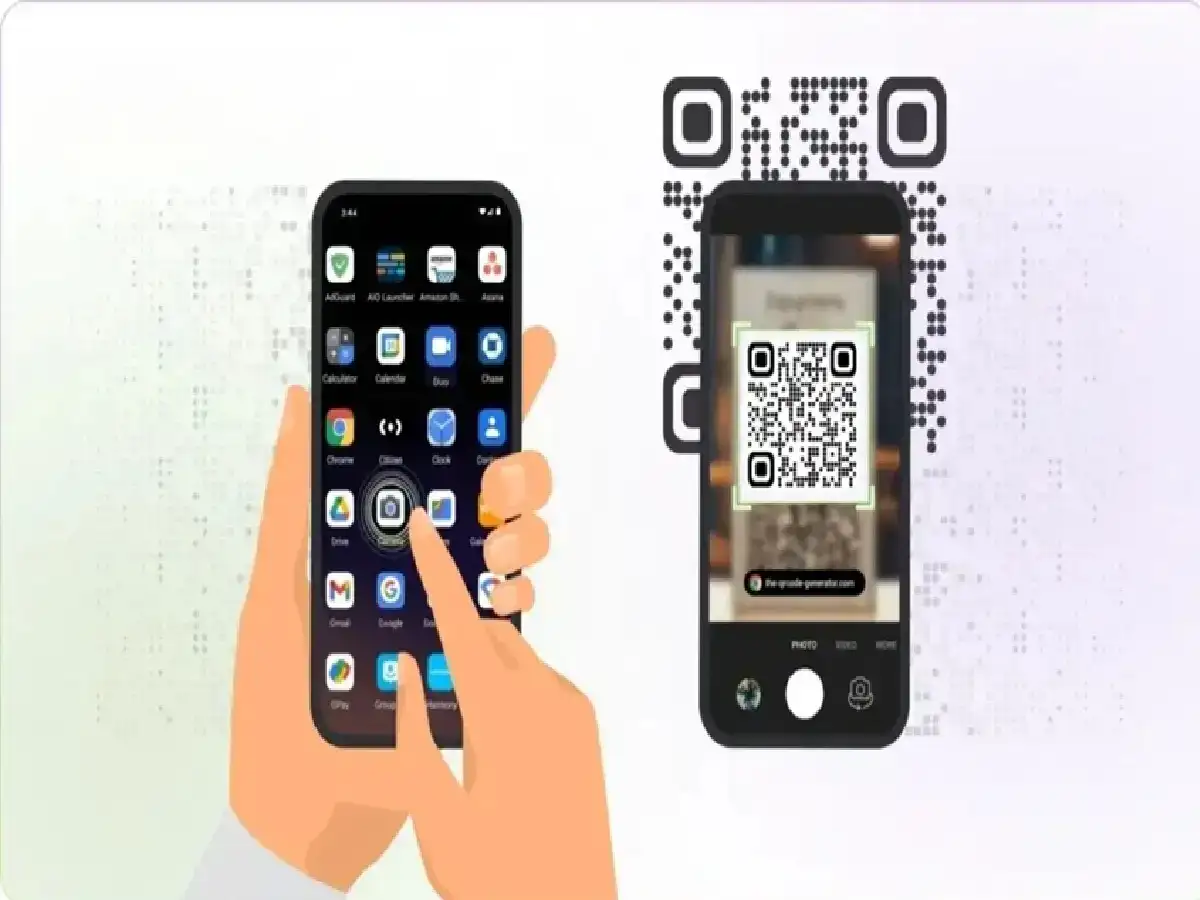
Today, whether you need to make a payment with your mobile phone, view a menu at a hotel, check your ticket, or visit a website, QR codes have become a part of our everyday lives. Just open your camera, and information appears on the screen in seconds. But many people have never wondered how this small square code works so quickly, and why it only has large squares at its three corners.
In fact, QR codes weren't created for online payments. They originated in Japan for the automobile industry. To quickly identify and quickly retrieve information about thousands of spare parts during car production, a new technology was developed in 1994. This technology later became known as QR codes.
What is the correct use of three squares?
The large squares at the three corners of a QR code aren't just a design element. They help the camera identify exactly where the QR code is and what direction it's facing.
The mobile camera first detects these three squares, whether the code is on a straight, slanted, or curved surface. Then, the entire code structure is deciphered, and the information contained within can be read in a matter of seconds. This is why QR codes open easily when scanned from any angle.
Why isn't there a fourth large square?
Many people also ask that if there are squares in three corners, then why not in the fourth corner?
There's a simple reason for this. The direction of any square is easily determined by three points. Therefore, the fourth corner is left blank. More information can be stored in that space. Therefore, QR codes can easily contain websites, payment links, contact information, or other details.
How does a faulty QR code work?
Often, QR codes are scratched or torn. However, they are still scanned. This is due to their unique technical design.
When a QR code is created, it stores additional information along with the main information. Therefore, even if a part is damaged, the mobile device can reconstruct the necessary information based on the remaining information. This is why scanning can sometimes be successful even if a large part of the code is damaged.
Why does the scan sometimes not work?
Not every QR code works all the time. There are some reasons why it may not be readable.
Lack of required whitespace around the code.
Low brightness or excessive brightness on the screen.
The code is not printed too small or clearly.
Packing too much information into a small QR code reduces its quality.
In such a situation, the mobile is not able to recognize the code properly.
PC: Rochak Khabre