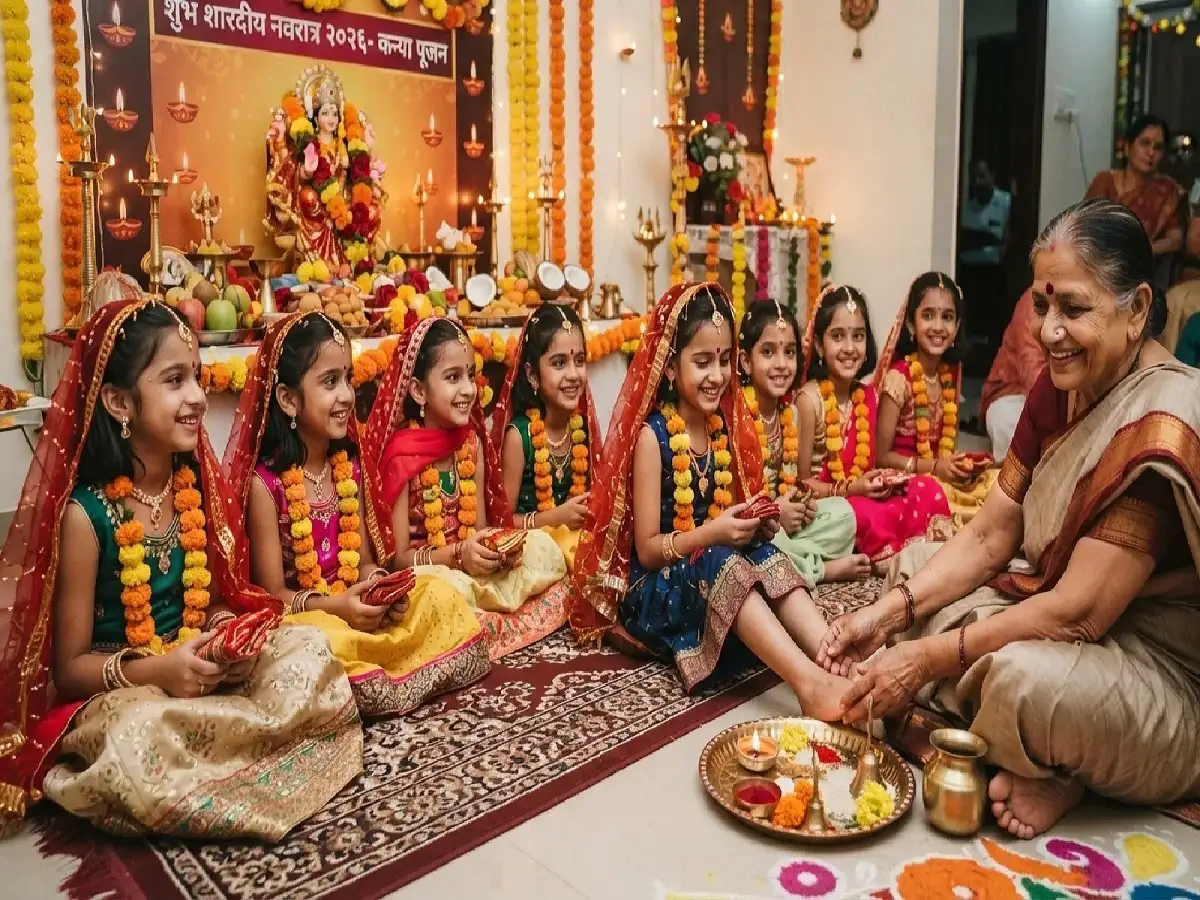
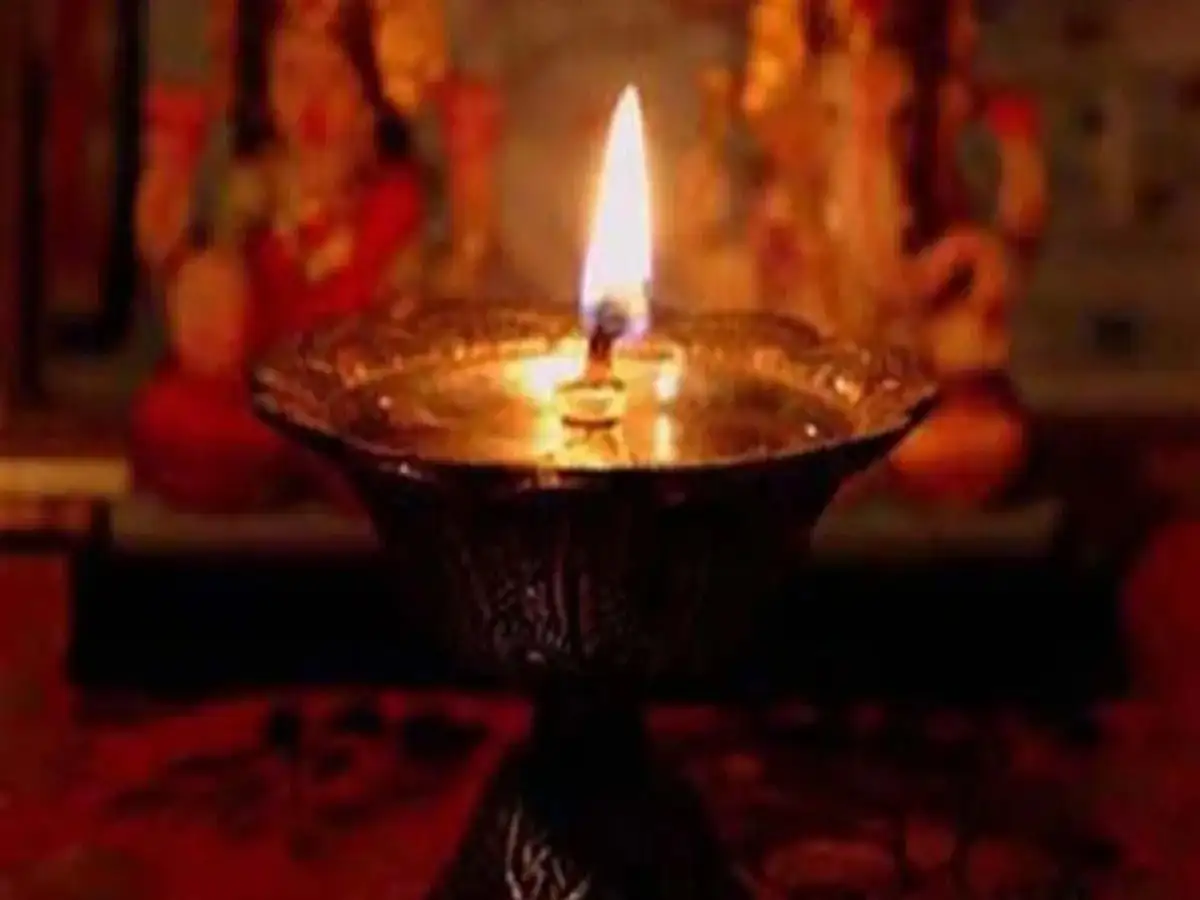
Lighting a diya during daily worship is a long-standing tradition in many Hindu households. A small flame is often associated with light, devotion, positivity and spiritual awareness. Many families light a diya in their home temple during morning or evening prayers, while some follow specific customs regarding the number of lamps, the type of oil or ghee used, and their placement.
One common question among devotees is whether there is a particular number of diyas that should be lit every day. Traditional beliefs differ from one family and region to another, so there is no single practice followed by everyone. Here is a look at some commonly followed traditions associated with lighting diyas at home.
How Many Diyas Should Be Lit in the Home Temple?
According to commonly followed Hindu household traditions, lighting at least one diya during daily worship is considered auspicious. Many families light it in the morning and again in the evening as part of their regular prayer routine.
Some households prefer to light two diyas. Traditionally, one may be dedicated to the primary deity worshipped in the home, while another may be associated with Goddess Lakshmi, a family deity or another revered form of divinity.
However, the number of lamps can vary according to family customs and individual religious practices. There is no universal requirement that every household must light exactly two diyas. For many devotees, regular worship and sincere devotion are considered more important than the number of lamps used.
Is One Diya Enough or Should You Light Two?
The choice between one and two diyas generally depends on the tradition followed by the family. If your household has traditionally used a single lamp during prayer, continuing that practice is perfectly consistent with that custom.
Likewise, families that have a tradition of lighting two lamps may continue doing so. Some people also choose the number of lamps according to the occasion, festival or specific prayer being performed.
Therefore, instead of treating a particular number as a compulsory Vastu rule, it is useful to understand that different religious traditions may prescribe different practices.
Should You Use Ghee or Oil in the Diya?
The substance used in a diya can also vary depending on the purpose of worship and family tradition.
Ghee diya: A lamp made with clarified butter, or ghee, is traditionally considered auspicious in many forms of Hindu worship.
Sesame oil diya: Sesame oil is commonly associated with certain forms of worship, including prayers connected with Lord Shiva and Shani Dev in some traditions.
Mustard oil diya: Mustard oil lamps are also used in particular religious rituals and household practices.
There is no need to assume that one type of fuel is suitable for every prayer. The choice can be based on the deity being worshipped, the occasion and the customs followed within the family.
Which Direction Should the Diya Face?
Vastu and traditional household practices often give importance to the placement and direction of a diya. The east and north directions are commonly considered favorable for placing a lamp in a prayer area.
At the same time, practical safety should always take priority. A diya should be positioned on a stable, heat-resistant surface where it cannot easily fall or come into contact with curtains, paper, clothes or other flammable materials.
Important Things to Remember While Lighting a Diya
Keeping the prayer area clean is traditionally considered an important part of worship. Before lighting the lamp, devotees may also make sure that the diya and wick are clean and properly prepared.
A few basic precautions include:
- Keep the temple or prayer space clean and organized.
- Use a clean cotton wick whenever possible.
- Place the diya on a stable and heat-resistant surface.
- Keep children and pets away from an open flame.
- Do not place the lamp close to curtains or other combustible materials.
- Never leave a burning diya unattended for extended periods.
- Follow the worship practices traditionally observed by your family.
Devotion Matters More Than the Number of Lamps
For many Hindu families, the diya represents the removal of darkness and the presence of spiritual light. While Vastu and religious traditions offer various practices concerning lamps, these customs are not identical across all households.
Consequently, there is no universally applicable rule stating that every home must light a fixed number of diyas each day. A single diya can be part of a meaningful daily prayer routine, while some families may traditionally light two or more.
Ultimately, the practice can be guided by personal faith, family tradition and the nature of the worship being performed. Along with religious observance, taking sensible precautions while handling an open flame is equally important.