The kitchen holds a special place in many Indian households. Apart from being the space where daily meals are prepared, traditional Vastu beliefs associate it with nourishment, prosperity and the overall energy of a home. This is why several customs related to cooking utensils, food preparation and kitchen cleanliness have been followed for generations.
One such belief concerns the tawa, or flat pan commonly used for preparing rotis and chapatis. After cooking, people sometimes pour water onto a hot tawa to cool or clean it quickly. When cold water touches the heated surface, it produces a sharp sizzling sound and turns into steam almost immediately.
While this may appear to be an ordinary kitchen habit, some Vastu and astrological traditions advise against it. These beliefs associate the practice with disturbances in household harmony and prosperity. There is also a practical reason to avoid suddenly cooling very hot cookware.
Here is what traditional beliefs say about this common kitchen habit and why it may also be worth avoiding from a practical perspective.
Why Is Water on a Hot Tawa Avoided in Traditional Beliefs?
According to certain astrological interpretations, different objects and elements are symbolically connected with different planets. The tawa is traditionally associated with Rahu, while water is linked with the Moon or Chandra.
Because these two are viewed as representing contrasting energies in some astrological traditions, suddenly pouring cold water onto a heated tawa is considered undesirable. Followers of these beliefs therefore prefer allowing the pan to cool naturally before washing it.
It is important to understand that this explanation belongs to the sphere of Vastu and astrological belief rather than established scientific evidence.
Water Holds a Sacred Place in Indian Traditions
Water has long been regarded as a symbol of life, purity and sacredness in Indian culture. It is used extensively in religious rituals and is traditionally treated with respect.
When water is poured onto an extremely hot tawa, it evaporates almost instantly. Certain traditional interpretations view deliberately causing this rapid evaporation—particularly when accompanied by a loud sizzling sound—as an inappropriate use of water.
Vastu followers believe such habits may disturb the positive atmosphere associated with the kitchen. However, this remains a cultural and religious interpretation and should not be understood as a scientifically proven cause of changes in a home's energy.
Is the Habit Linked With Family Harmony?
The kitchen is often described in Vastu traditions as one of the important energy centres of a house because it is where food for the family is prepared.
As a result, cleanliness, order and respectful handling of food and utensils are given considerable importance. Some traditional Vastu beliefs connect repeatedly pouring cold water onto a hot tawa with an unsettled household environment, including disagreements or unnecessary tension among family members.
There is no scientific evidence establishing that this kitchen practice can cause family disputes. The association comes from traditional Vastu interpretations passed down through generations.
Why Is the Tawa Also Connected With Prosperity?
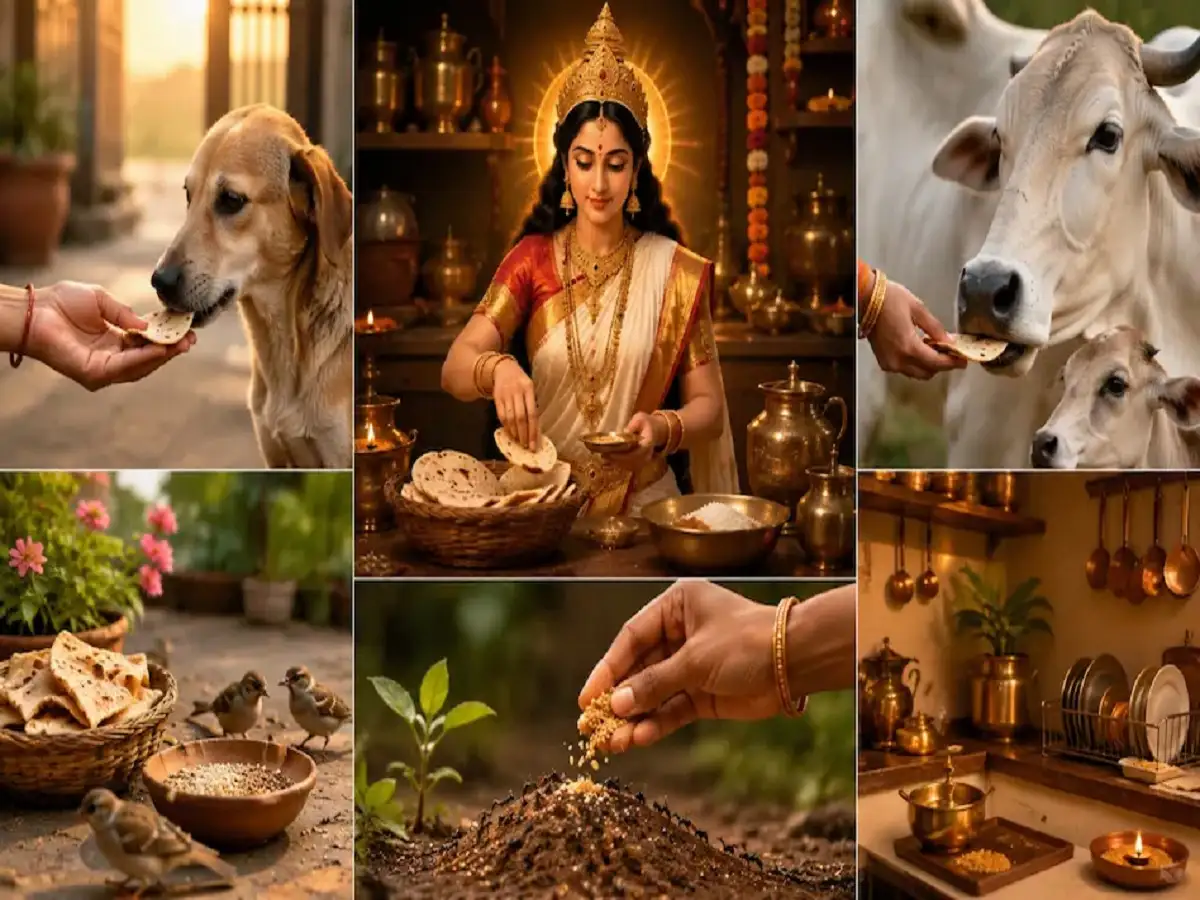
Food and prosperity are closely connected in several Indian traditions. Since the kitchen stores and prepares anna, or food grains, it is often symbolically associated with abundance.
This is also why Goddess Lakshmi, who represents wealth and prosperity in Hindu tradition, is sometimes referenced in customs concerning food and kitchen cleanliness.
According to Vastu beliefs, cookware used to prepare staple foods such as rotis should be kept clean and handled carefully. Certain habits involving the tawa are consequently considered unfavorable for household prosperity.
Rather than interpreting these traditions as a guarantee of financial gain or loss, they can be understood as cultural practices emphasizing cleanliness, food conservation and respect for the kitchen.
There Is a Practical Reason to Let a Hot Tawa Cool
Beyond Vastu beliefs, there is a straightforward practical reason not to pour cold water onto an extremely hot pan.
The sudden contact can produce hot steam and splashes, potentially increasing the risk of burns if someone is standing too close. Rapid temperature changes, commonly called thermal shock, can also be unsuitable for some types of cookware.
Depending on its material and construction, repeated exposure to abrupt temperature changes may contribute to warping, surface deterioration or damage to certain coatings. Following the cookware manufacturer's cleaning instructions is therefore the safer approach.
What Should You Do Instead?
After preparing rotis, switch off the heat and allow the tawa to cool sufficiently before cleaning it. Once it has reached a safer temperature, wash it according to the care instructions recommended for its material.
This approach has a practical safety benefit and also aligns with the traditional Vastu practice of avoiding cold water on a very hot tawa.
Disclaimer: The Vastu and astrological points discussed above are based on traditional and cultural beliefs. They are not scientifically established facts. Readers may follow such practices according to their personal beliefs and preferences.