Business
UPI Charges October 15, 2026: Will Payments Above ₹2,000 Attract Fees? Latest MDR Update Explained
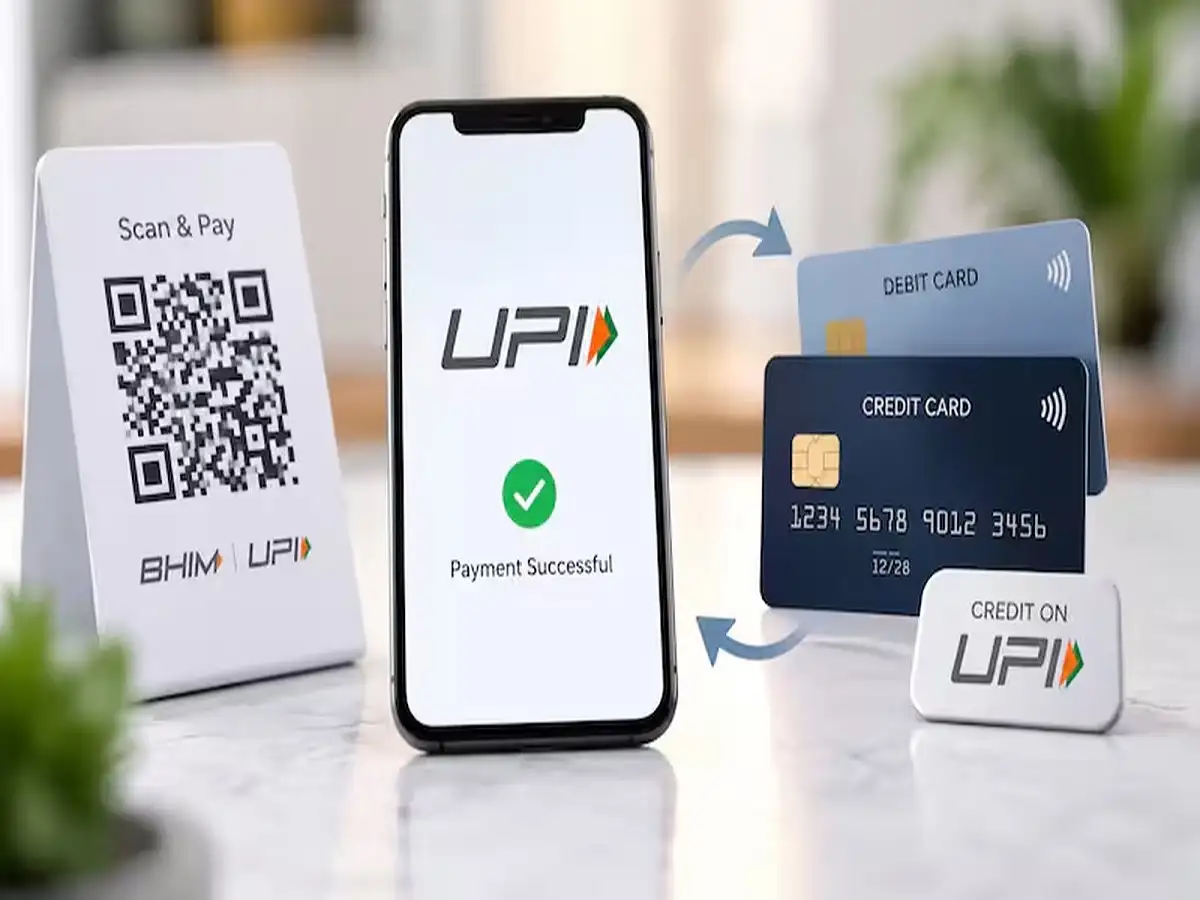
UPI MDR Charges 2026: Millions of Indians use Unified Payments Interface (UPI) services every day to transfer money, pay electricity bills, shop online and make purchases at local stores. With digital payments becoming an essential part of everyday transactions, reports about possible new UPI charges have raised questions among customers and merchants.
Recent reports have suggested that a proposed Merchant Discount Rate (MDR) of 0.4% could apply to certain UPI transactions exceeding ₹2,000 from October 15, 2026. However, payment industry representatives have reportedly requested additional time to prepare for the proposed changes.
According to the supplied report, industry stakeholders have sought a postponement until January 2027, citing technical difficulties, uncertainty about transaction categories and concerns about additional expenses during the festive shopping season.
Importantly, the proposed October 15 implementation and January 2027 postponement should not be treated as officially confirmed without a government or NPCI notification. The reported proposal also does not mean that every UPI user will have to pay a transaction fee.
Why Are Payment Companies Seeking More Time for UPI MDR Changes?
The possible introduction of additional merchant payment charges has reportedly prompted concerns among payment service providers, fintech companies and merchant associations.
These organisations have requested more time to understand the proposed framework and make necessary technical adjustments.
One major concern involves the timing of the proposed implementation.
With festive shopping approaching, businesses expect an increase in digital transactions across retail stores, online marketplaces and service establishments.
Merchants are concerned that introducing additional processing costs during a busy shopping period could affect their operating expenses.
Payment companies also need clarity on how different categories of transactions would be classified and whether exemptions would apply.
According to the report, industry representatives have therefore requested that implementation be considered after the festive season, potentially in January 2027.
However, a request for postponement is not the same as an officially approved extension.
What Is MDR and How Does It Work on Digital Payments?
Merchant Discount Rate, commonly called MDR, is a fee charged to merchants for processing certain electronic payments.
The fee generally helps cover payment processing and related service costs.
For example, when a customer pays a shopkeeper through an eligible digital payment method, a processing fee may be deducted from the amount settled with the merchant.
The MDR structure depends on the payment instrument, merchant category and applicable regulations.
Under India's established zero-MDR framework, ordinary UPI payments made through bank accounts generally do not attract MDR.
Certain other payment arrangements, such as eligible prepaid payment instrument transactions, can have different commercial arrangements.
Therefore, it is essential to distinguish between ordinary bank-account UPI payments and other payment categories before interpreting reports about new charges.
How Much Would a 0.4% MDR Cost Merchants?
The supplied report discusses a proposed 0.4% MDR on certain eligible transactions above ₹2,000.
If such a rate were introduced, the following amounts illustrate the possible processing costs.
| UPI Transaction Amount | Illustrative MDR at 0.4% |
|---|---|
| ₹2,000 | ₹8 |
| ₹3,000 | ₹12 |
| ₹5,000 | ₹20 |
| ₹10,000 | ₹40 |
| ₹20,000 | ₹80 |
| ₹50,000 | ₹200 |
These figures are mathematical examples, not confirmed charges.
Also, if the proposed rule applies only to transactions exceeding ₹2,000, a payment of exactly ₹2,000 would not fall within that threshold.
The actual fee, if any, would depend on the final regulations, eligible payment categories and applicable exemptions.
NPCI Postpones October 15 MDR Rollout Until After Diwali
In a significant development on October 13, 2026, the National Payments Corporation of India reportedly confirmed that the implementation of MDR on specified UPI merchant transactions has been deferred until after Diwali.
The revised implementation date will be announced separately. While January 2027 had been discussed as a possible alternative, it has not been confirmed as the new deadline.
This decision provides temporary relief to merchants preparing for the festive shopping season.
Why Are Loan Repayments and Stock Market Payments Raising Concerns?
Another challenge involves determining which UPI transactions should attract processing charges.
UPI is used for several financial activities beyond ordinary retail shopping, including loan repayments, utility payments and transfers to investment accounts.
Brokerage companies have reportedly questioned whether funds transferred into trading accounts should attract MDR, particularly when the transfer itself does not generate direct revenue for the brokerage.
Similarly, payment providers may face difficulties identifying eligible loan repayment transactions and applying the correct fee.
The supplied report mentions a possible flat ₹5 charge for certain loan-related payments, but its precise applicability requires confirmation under the final operating guidelines.
These classification issues explain why payment companies have requested additional implementation time.
Will Google Pay, PhonePe and Paytm Users Have to Pay Extra?
For ordinary customers, the distinction between merchant charges and consumer charges is especially important.
The Ministry of Finance has clarified that person-to-person UPI transfers will remain free, irrespective of the amount transferred.
Payments of up to ₹2,000 to merchants, along with qualifying small-merchant transactions, will also remain exempt under the announced framework.
According to the government's September clarification, approximately 96% of merchant UPI transactions are expected to remain unaffected.
This means customers using Google Pay, PhonePe, Paytm or other UPI applications should not assume that a payment exceeding ₹2,000 automatically attracts a personal transaction fee.
What Happens Next?
The payment industry will now await the revised implementation date and any further operational instructions.
Merchants and payment companies are expected to use the additional time to prepare their systems and understand the applicable transaction categories.
For consumers, the most important point is that the proposed MDR framework is directed at specified merchant transactions rather than ordinary person-to-person money transfers.
Final takeaway: The October 15, 2026, UPI MDR rollout has been postponed until after Diwali. The new date remains to be announced, while personal UPI transfers continue to be free.