LIFESTYLE
Tulsi: Why do religion and science prevent us from chewing Tulsi leaves? You will be shocked to know the reason.
Tulsi: Tulsi is considered sacred and revered in Hinduism. Ayurveda also calls it a beneficial plant. However, chewing and eating Tulsi leaves is prohibited. Let's find out why.
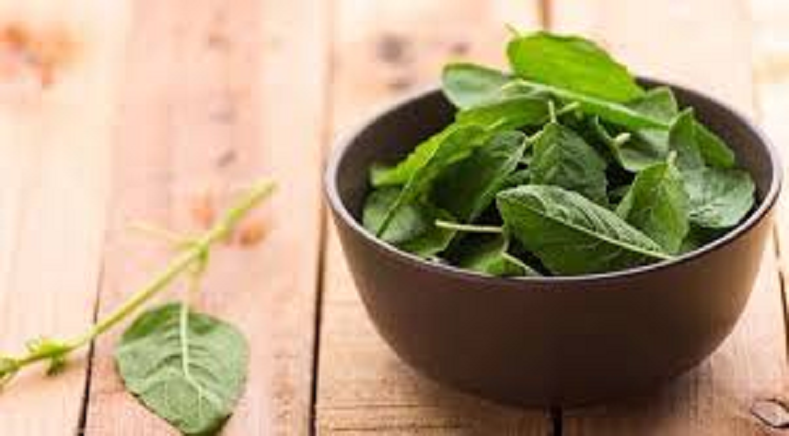
Why should you not chew basil leaves?
Tulsi: In Hinduism, Tulsi is worshipped as a form of Goddess Lakshmi. The Tulsi plant not only holds religious significance but is also considered a symbol of positive energy and purity. Ayurveda considers Tulsi to be beneficial, and its consumption has many benefits.
Many people consider basil to be beneficial and chew its leaves. If you are one of those who believe that chewing basil leaves is truly beneficial, you should definitely read this news.
In fact, by doing this, you are not only violating religious rules but also compromising your health. This practice is considered both religious and scientific. Let's understand, from both religious and scientific perspectives, why you shouldn't chew basil leaves.
Why not chew Tulsi leaves?
Religious reasons: In the Puranas, Tulsi is considered a goddess and mother. Therefore, this plant is considered sacred and revered. Chewing Tulsi leaves with teeth is considered disrespectful. Because it is believed that Goddess Lakshmi resides in each Tulsi leaf, it is believed that Tulsi leaves are never broken or offered during worship.
Scientific Reasons: From a scientific perspective, it's also advised to avoid chewing basil leaves. This is because basil leaves contain elements like mercury or mercuric acid, which are harmful to tooth enamel. Chewing basil exposes these elements to the teeth, gradually wearing away the enamel.
Additionally, basil leaves have a warm and slightly acidic nature. Chewing them repeatedly can increase acidity in the mouth and stomach. Basil leaves also contain trace amounts of arsenic. However, chewing them in large quantities can cause a slow accumulation of toxins in the body (Side effects of chewing Tulsi).
Then how to consume, Then, how to consume basilurveda and science, basil is a medicinal plant with numerous antibacterial and antiviral properties. Therefore, its consumption is recommended in Ayurveda. It is considered a panacea, especially for coughs and phlegm. However, due to its mercuric acid content, experts recommend swallowing basil leaves rather than chewing them.
According to Ayurveda, instead of chewing basil, you can swallow its leaves whole with water. You can also consume it as a tea, decoction, or by adding it to lukewarm water. Consuming basil leaves mixed with honey and ginger juice can boost immunity.