
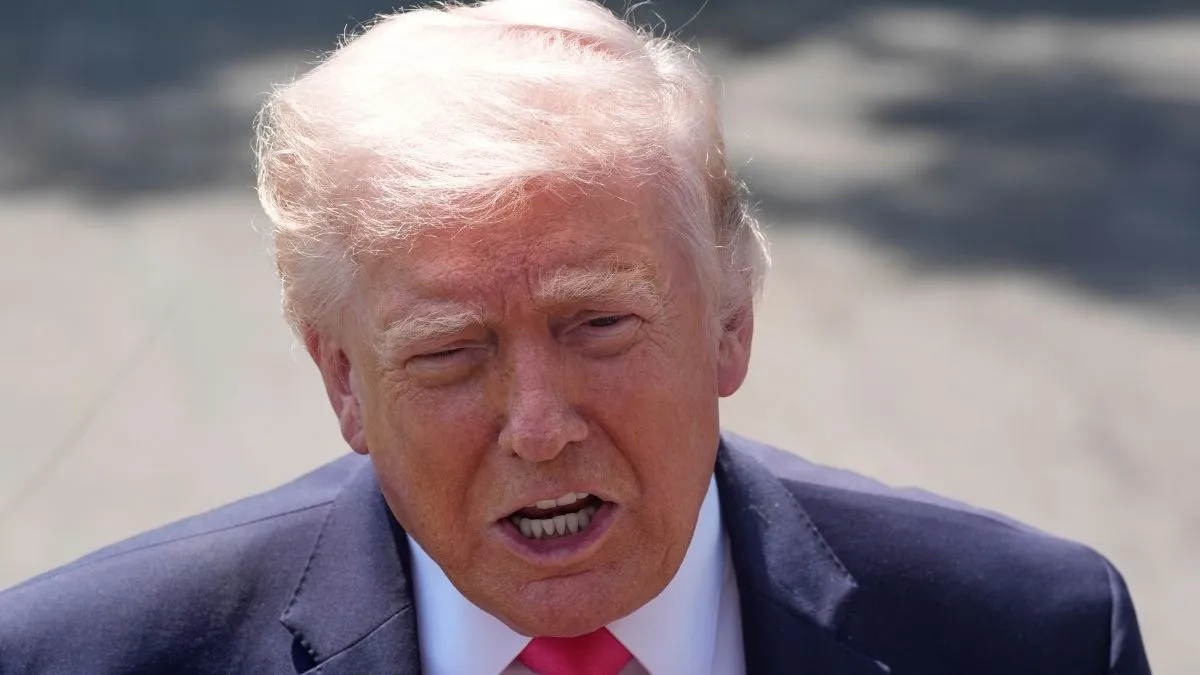
Trump has extended for 90 days the Jones Act exemption for the transportation of oil, petroleum products, and fertilizers, allowing foreign ships to transport goods between US ports.
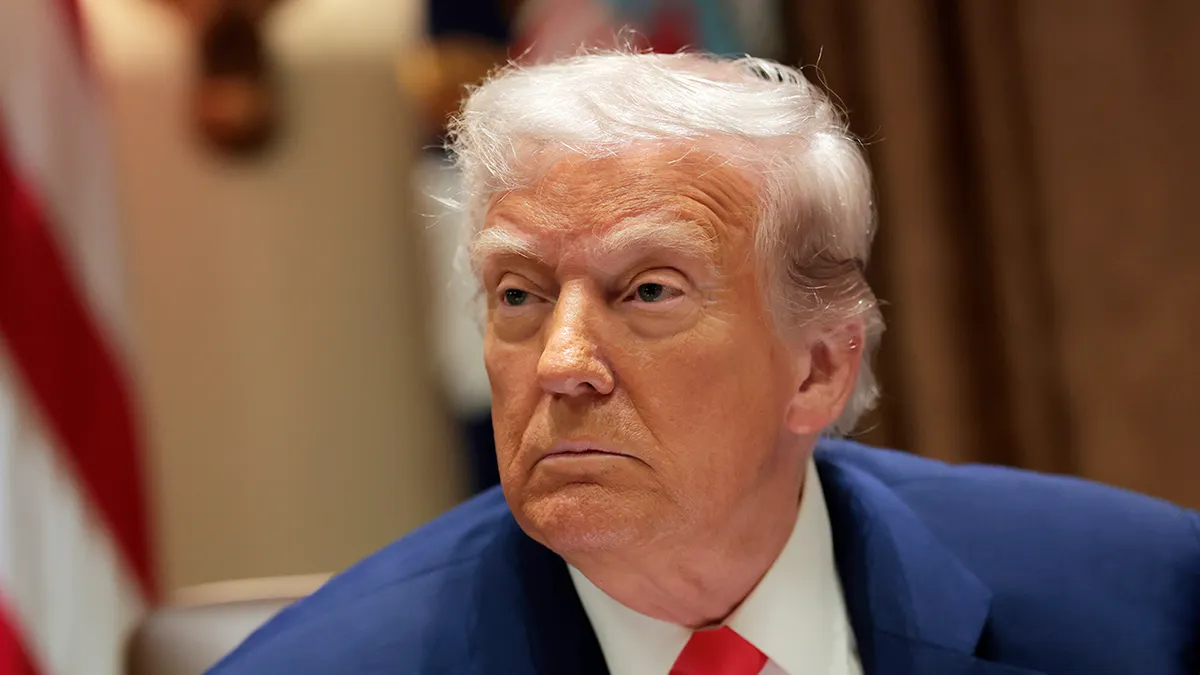
Trump extends oil and fertilizer transportation exemptions by 90 days
Amid rising energy prices and supply constraints in the US, President Donald Trump has made a significant decision. He has extended the exemptions for the maritime transport of oil, fertilizers, and other essential goods for another 90 days.
This decision will give energy companies and businesses more options for transporting goods. The government hopes this could help reduce transportation costs and keep fuel prices in check.
What does the 100-year-old Jones Act say?
The Jones Act is a longstanding US maritime transportation law that requires ships carrying goods between two US ports to be built in the US, owned by US companies, and sail under the US flag.
These ships are also required to be manned by American crews. However, existing exemptions allow foreign vessels to participate in domestic maritime transport, subject to certain conditions. This expands the choice of vessels for the movement of goods.
What is the new decision of the Trump government?
US President Donald Trump has approved a 90-day extension of a special exemption granted under the Jones Act. This decision will allow foreign-flagged ships to continue transporting oil, petroleum products, fertilizers, and other essential goods between US ports. The exemption will take effect on November 16th. Previously, the exemption was set to expire. The new decision will allow the old system to continue operating without a break.
Why are questions being raised about the decision?
There is also disagreement in the US about this decision. Domestic shipbuilders and some lawmakers believe that granting exemptions to foreign vessels could harm the American shipping industry and local employment.
Meanwhile, oil and chemical companies are calling this relief necessary. They say it will ease cargo movement and help reduce transportation costs. However, under the system implemented in August, each voyage will now be individually checked to ensure availability of American ships.
Why was the decision taken amid the Iran war?
The Iran war has put pressure on global energy supplies and transportation systems. This has also impacted the prices of gasoline, diesel, and fertilizers in the United States. The Trump administration is seeking to maintain the availability of essential products in the market by reducing transportation constraints.
According to the White House, the waiver has enabled the transportation of approximately 90 million barrels of additional petroleum products since March, including 27 million barrels of gasoline, 26 million barrels of crude oil, and 6 million barrels of renewable fuels.