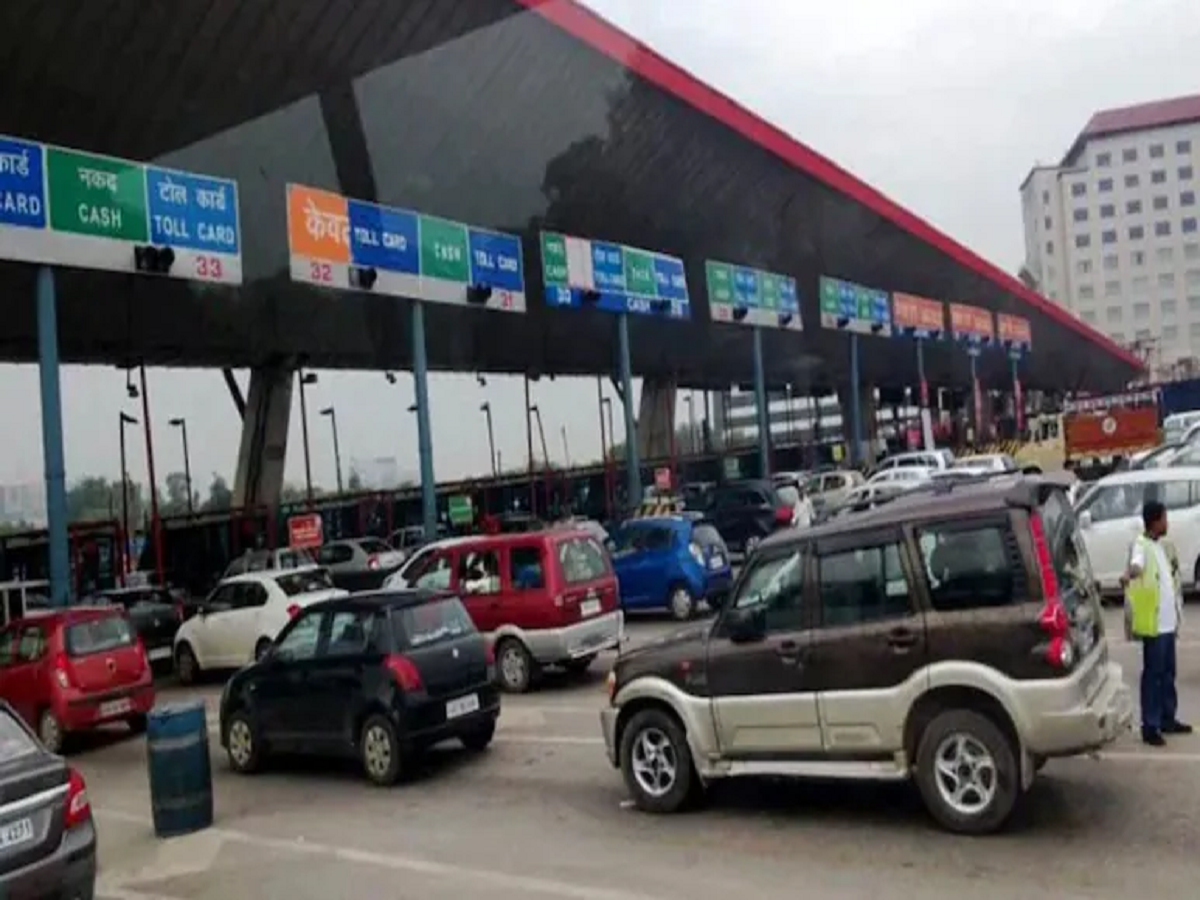
A major change in India’s highway toll policy could be on the horizon. The government is reportedly considering revising existing toll exemption rules, a move that may require several government officials and VIP-category travelers to pay toll charges while using national highways.
According to recent reports, authorities are reviewing the current framework that grants toll-free access to a wide range of vehicles. If the proposed changes are approved, the number of exempt categories could be significantly reduced, marking a shift toward a more uniform toll collection system across the country.
Government Examining Existing Toll-Free Categories
The proposed reforms stem from recommendations made by a high-level committee tasked with reviewing highway toll policies. The panel has reportedly suggested that the Ministry of Road Transport and Highways reconsider the list of individuals and vehicles currently eligible for toll exemptions.
At present, a large number of government vehicles and officials enjoy toll-free travel on national highways. However, policymakers are now exploring whether these exemptions should continue in their current form.
The review is part of a broader effort aimed at improving transparency, reducing special privileges, and streamlining highway operations.
Focus on Reducing VIP Privileges
One of the key objectives behind the proposed changes is to discourage the culture of special treatment often associated with VIP travel.
Officials involved in the discussions believe that limiting toll exemptions could help create a more equitable system where most road users contribute to highway maintenance and infrastructure costs.
While consultations with stakeholders are still underway, reports suggest that authorities may gradually reduce the number of categories eligible for toll-free passage rather than removing all exemptions at once.
Fastag Annual Pass Suggested for Government Employees
As part of the discussions, the road transport ministry has reportedly communicated with state governments and government departments, encouraging them to consider an alternative approach.
Instead of seeking toll exemptions, government employees could be encouraged to purchase Fastag Annual Passes for official travel. In many cases, departments may reimburse the cost of these passes, ensuring that employees are not burdened financially while still maintaining a standardized toll collection process.
The move could simplify toll operations while reducing the administrative complexities associated with managing multiple exemption categories.
Who Currently Receives Toll Exemptions?
Under existing regulations, several categories of vehicles are allowed to travel through toll plazas without paying fees.
These include vehicles carrying occupants of certain constitutional offices and high-ranking public positions. In addition, emergency and essential service vehicles are also exempt from toll charges.
Some of the major categories currently receiving toll relief include:
- Vehicles associated with constitutional authorities
- Military vehicles operating in uniformed service
- Paramilitary force vehicles
- Executive magistrates on official duty
- Fire brigade and firefighting vehicles
- Ambulances providing emergency medical services
- Hearses and vehicles transporting the deceased
- Vehicles engaged in national highway inspection and maintenance activities
These exemptions were originally introduced to facilitate critical public services and official duties.
What Could Change for Highway Users?
If the recommendations are implemented, government officers and several VIP-category travelers who currently pass through toll plazas without payment may eventually be required to pay standard toll charges.
The final structure of the revised policy has not yet been announced, and discussions are still ongoing. Authorities are expected to evaluate the operational, administrative, and financial implications before making a final decision.
For ordinary highway users, the proposed changes may not immediately affect toll rates. However, they could signal a broader shift toward a more uniform toll collection system where exemptions are limited to essential emergency and public-service vehicles.
Final Decision Still Awaited
At this stage, no official notification has been issued regarding changes to toll exemption rules. The proposal remains under review, and the government is expected to hold further consultations before introducing any amendments.
If approved, the reforms could represent one of the most significant changes to highway toll policies in recent years, potentially reshaping how toll exemptions are granted on India’s national highway network.