
NEWS
Tinnitus Warning Signs: Ringing or Whistling in the Ears Could Signal an Underlying Hearing Problem
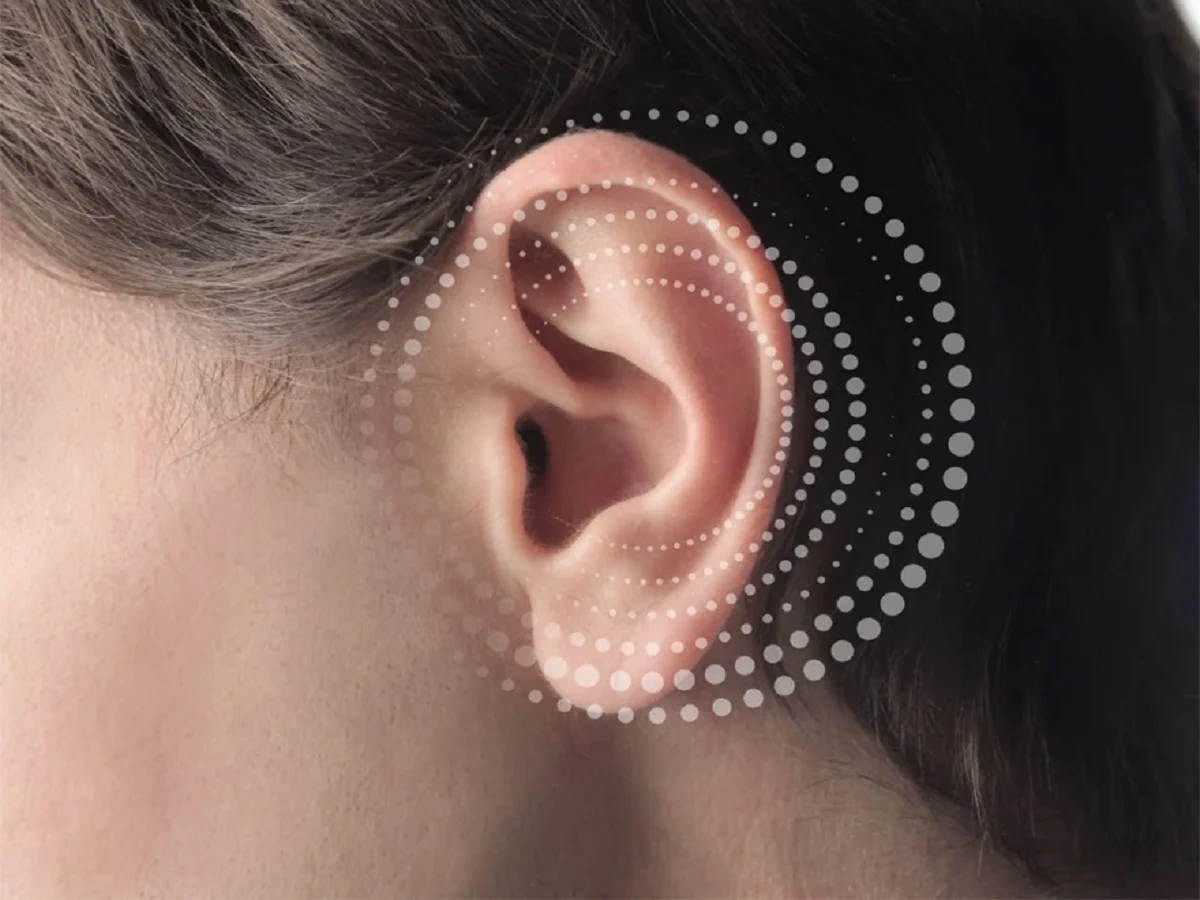
Tinnitus is a common hearing-related condition that affects millions of people worldwide. If you frequently hear ringing, buzzing, humming, or whistling sounds in your ears — even when your surroundings are completely quiet — it could be a sign of tinnitus.
The condition can vary from mild and temporary to severe and persistent. In some cases, tinnitus may interfere with sleep, concentration, mood, and overall quality of life.
Here’s a detailed look at what causes tinnitus, common symptoms, risk factors, and when medical attention may be necessary.
What Is Tinnitus?
Tinnitus is the perception of sound without an external source.
People with tinnitus often report hearing:
- Ringing sounds
- Buzzing noises
- Hissing
- Clicking
- Whistling
- Pulsing sounds
The sound may occur in one ear or both ears and can be continuous or occasional.
Exposure to Loud Noise Is a Major Cause
Health experts say prolonged exposure to loud sounds is one of the leading triggers for tinnitus.
Common causes include:
- Listening to loud music for long periods
- Excessive headphone or earbud use
- Working in noisy environments
- Frequent exposure to loud machinery or traffic
Loud noise can damage the delicate sensory cells inside the inner ear, increasing the risk of hearing problems and tinnitus over time.
Age-Related Hearing Loss Can Increase Risk
The likelihood of developing tinnitus often rises with age.
Experts note that hearing ability naturally declines over time, especially after the age of 60. This age-related hearing loss may contribute to persistent ringing or buzzing sensations in the ears.
Older adults are therefore considered more vulnerable to tinnitus symptoms.
High Blood Pressure May Trigger Pulsatile Tinnitus
People suffering from Hypertension may sometimes experience a special form known as pulsatile tinnitus.
In this condition, individuals hear sounds that seem synchronized with their heartbeat, often described as:
- Rhythmic pulsing
- Heartbeat-like sounds
- Throbbing inside the ear
Doctors believe blood flow changes and vascular pressure may contribute to these symptoms.
Stress and Anxiety Can Worsen Symptoms
Mental health and emotional stress can also play a major role in tinnitus.
Continuous:
- Stress
- Anxiety
- Mental fatigue
- Sleep problems
may either trigger tinnitus or make existing symptoms feel more intense.
Many patients notice that tinnitus becomes more noticeable during periods of emotional pressure or exhaustion.
Head Injuries Can Affect Hearing Nerves
Serious head injuries may also increase the risk of tinnitus.
Trauma affecting:
- Hearing nerves
- Brain pathways linked to sound
- Inner ear structures
can sometimes lead to persistent ear noises or hearing disturbances.
Warning Signs Should Not Be Ignored
Medical experts advise people not to ignore continuous ringing or unusual sounds in the ears, especially if symptoms persist for several days or worsen over time.
You should consider consulting a healthcare professional if tinnitus is accompanied by:
- Hearing loss
- Dizziness
- Balance problems
- Severe headaches
- Ear pain
- Sleep disturbance
Early diagnosis may help identify underlying causes and prevent complications.
Ways to Reduce the Risk of Tinnitus
Doctors often recommend several lifestyle habits that may help protect hearing health.
Helpful Preventive Measures Include:
- Keeping headphone volume moderate
- Avoiding prolonged loud noise exposure
- Managing blood pressure
- Reducing stress levels
- Taking breaks from continuous earphone use
- Getting regular hearing checkups
Protecting hearing early may help lower the long-term risk of tinnitus and other hearing-related problems.
Treatment Depends on the Underlying Cause
There is no single universal cure for tinnitus, but treatment options may help manage symptoms.
Depending on the cause, doctors may recommend:
- Hearing aids
- Sound therapy
- Stress management techniques
- Lifestyle adjustments
- Medication for underlying conditions
- Counseling or therapy
The right treatment approach usually depends on the severity and root cause of the condition.
Disclaimer
This article is intended for informational purposes only and should not be considered medical advice. Always consult a qualified healthcare professional for proper diagnosis and treatment of tinnitus or any hearing-related condition.