
NEWS
Child Screen Time Warning: Excessive Mobile Use May Harm Brain and Eye Development in Young Children
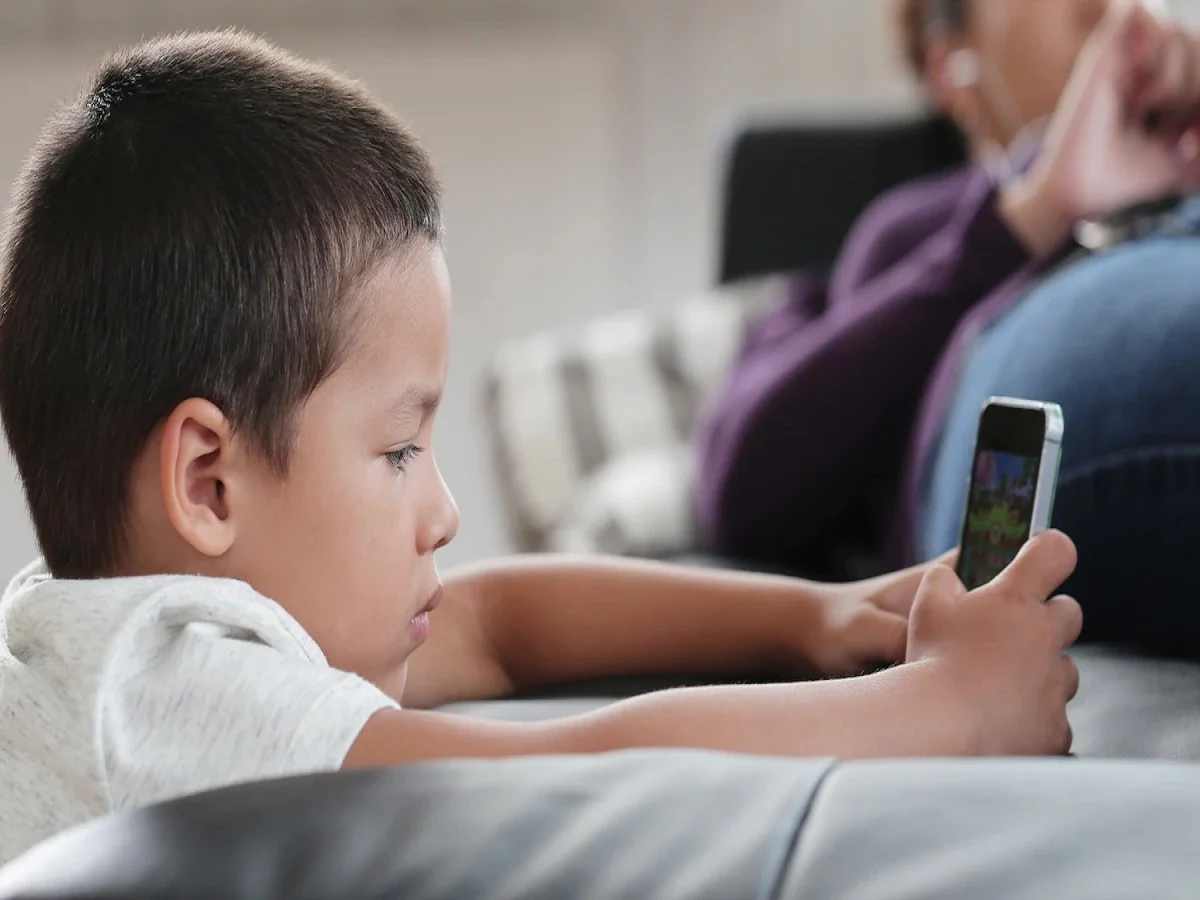
Smartphones have become an inseparable part of modern life, making daily tasks easier and entertainment instantly accessible. However, health experts are increasingly warning that excessive screen exposure during early childhood may seriously affect a child’s mental, emotional, neurological, and visual development.
Recent research has raised concerns about how prolonged mobile phone use among infants and young children could negatively influence brain growth, social interaction, and learning abilities during the most sensitive years of development.
Study Raises Concerns Over Early Screen Exposure
A recent study conducted by All India Institute of Medical Sciences (AIIMS) has highlighted potential developmental risks linked to early screen exposure in children.
According to the findings, children who are frequently exposed to mobile screens before the age of one may face a significantly higher risk of developing autism-related symptoms by the age of three.
Researchers emphasize that the first 18 months of life are extremely important for brain development.
During this period, babies learn primarily through:
- Facial expressions
- Human interaction
- Sounds and speech
- Emotional responses
- Physical surroundings
Excessive screen exposure may interfere with these natural learning processes.
Why Early Childhood Development Matters
Health experts say that a child’s brain develops rapidly during the first few years of life.
At this stage, children need:
- Real-world interaction
- Eye contact
- Physical play
- Emotional bonding
- Verbal communication
Overdependence on screens may reduce these essential experiences and affect healthy neurological growth.
How Excessive Screen Time Can Affect Children
Doctors warn that many parents unknowingly use smartphones to calm crying children or keep them distracted while feeding them.
Although this may appear harmless initially, prolonged screen exposure can gradually reduce a child’s interaction with the real world.
Experts believe excessive screen time may impact:
- Emotional development
- Language skills
- Social behavior
- Attention span
- Sleep quality
- Learning ability
Children who spend most of their time looking at screens may become less engaged with their environment, potentially affecting early neural development.
Eye Health Concerns Are Also Increasing
Long hours of screen exposure may also strain developing eyes.
Some common problems linked to excessive screen use include:
- Eye fatigue
- Dry eyes
- Blurred vision
- Headaches
- Reduced outdoor activity
- Increased risk of vision-related problems
Doctors are especially concerned about very young children whose visual systems are still developing.
Recommended Screen Time Guidelines for Children
Health experts and pediatric specialists generally recommend strict limits on screen exposure for young children.
Suggested Guidelines Include:
- Birth to 18 months: Ideally no screen exposure except video calls
- 18 months to 6 years: Limit screen time to a maximum of one hour daily
- More than four hours daily: May significantly increase developmental and behavioral risks
Parents are encouraged to monitor both the duration and type of content children consume.
What Parents Can Do Instead
Experts suggest replacing excessive screen use with activities that encourage healthy development.
Helpful Alternatives Include:
- Storytelling
- Outdoor play
- Drawing and coloring
- Music and singing
- Physical activities
- Interactive learning games
- Parent-child conversations
These activities may help improve communication, creativity, emotional bonding, and cognitive development.
Parents Should Lead by Example
Children often imitate adult behavior.
Doctors advise parents to:
- Reduce their own unnecessary screen use around children
- Create screen-free family time
- Avoid giving phones during meals
- Encourage social interaction
Building healthier digital habits at home can positively influence children’s behavior.
Balanced Technology Use Is Important
Experts clarify that technology itself is not entirely harmful. The real concern lies in uncontrolled and excessive exposure during sensitive developmental years.
Age-appropriate, limited, and supervised use is generally considered safer than unrestricted screen dependency.
Disclaimer
This article is intended for informational purposes only and should not be considered medical advice. Parents should consult qualified pediatricians or healthcare professionals for guidance regarding children’s screen time and developmental concerns.