LIFESTYLE
The dengue and malaria season is coming; take care of your children like this. Read the news before you regret it.
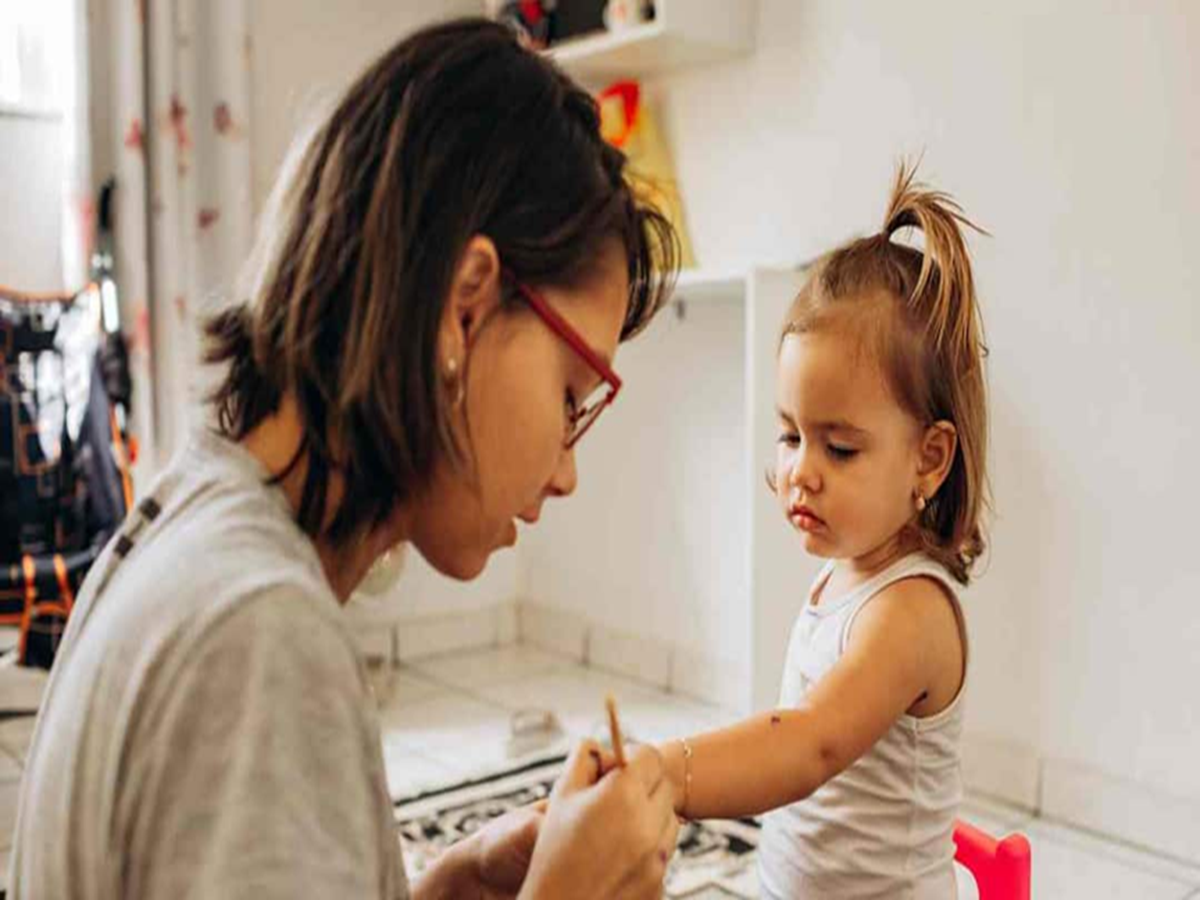
The risk of dengue and malaria increases during the rainy season. Learn about simple ways to protect children from these diseases, important precautions, and early symptoms.
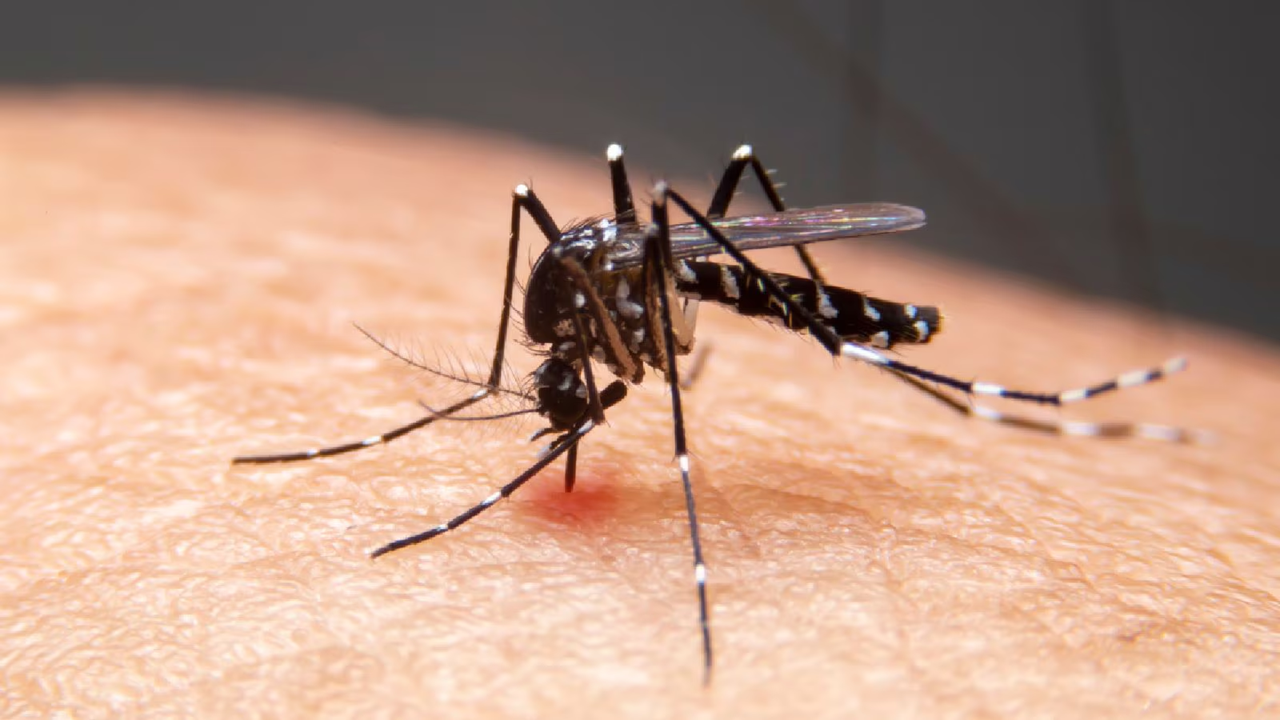
Dengue Malaria
Dengue malaria prevention: With the onset of the rainy season, the risk of diseases like dengue and malaria increases. Mosquito populations increase rapidly during this season, increasing the risk of children falling ill. Young children have a lower resistance to disease than adults. Therefore, parents should take precautions in advance. Even a little carelessness can be detrimental to children's health. Therefore, it's crucial to pay attention to everything from household cleanliness to children's diet.
Do not allow water to accumulate around the house
Dengue and malaria are spread by mosquito bites. Therefore, pay special attention to cleanliness in and around your home. Avoid water stagnation in coolers, pots, buckets, tires, or any other similar areas, as mosquitoes breed in such places. Be sure to change the water in coolers once a week and always keep water tanks covered.
It is important to protect children from mosquitoes.
Wear full-sleeved clothing for children in the morning and evening. If children go out to play, mosquito repellent cream or patches can be used. Use a mosquito net while sleeping at night. Also, try to keep mosquitoes away from the house.
Take special care of your food and drink.
Always feed children clean and fresh food during the rainy season. Avoid eating outside or stale food. Provide them with plenty of water and include fruits, green vegetables, pulses, and other nutritious foods in their diet to keep them strong. If your child drinks less water, offer them water or other healthy foods at regular intervals. A good diet helps increase children's resistance to disease.
Do not ignore these symptoms at all.
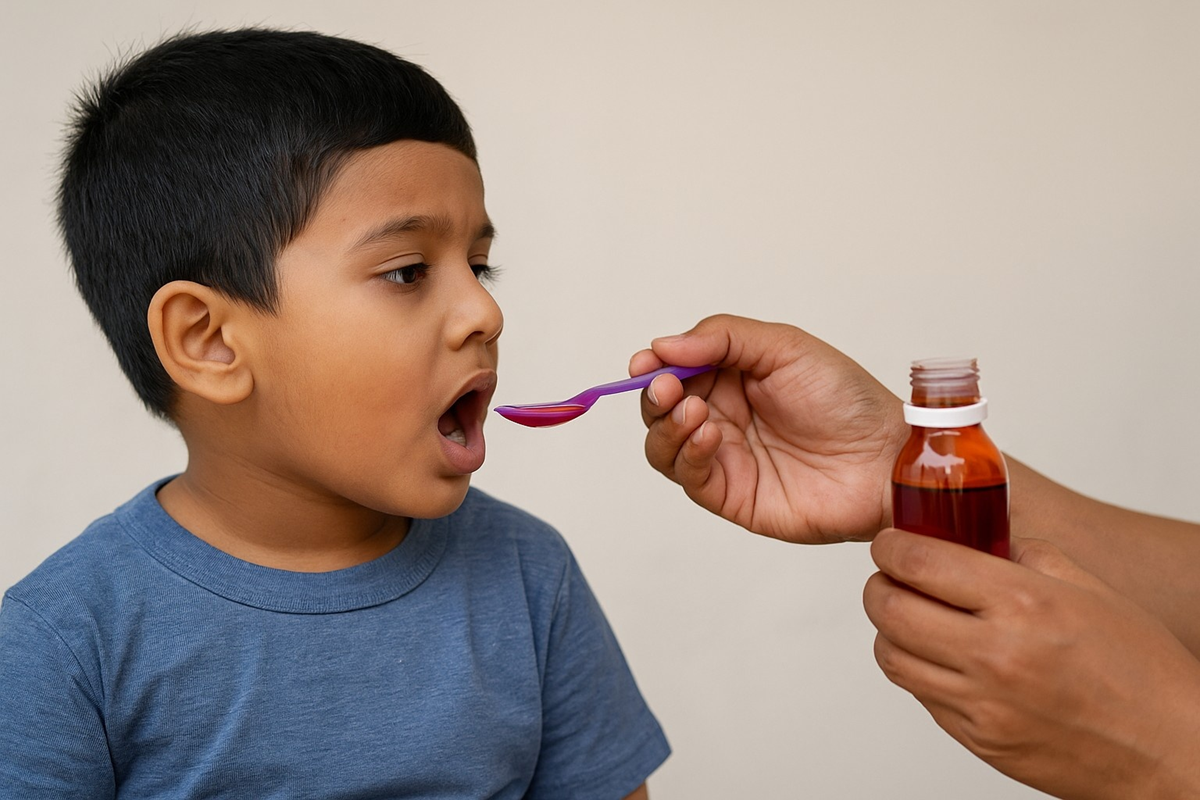
If your child experiences a high fever, headache, body aches, vomiting, weakness, pain behind the eyes, or a skin rash, don't take it lightly. See a doctor immediately and don't give any medication without their advice. Timely treatment can reduce the risk of the disease becoming serious. If the fever persists for two or three days, it's important to get tested.