
LIFESTYLE
Termite Signs: Is it dampness or a termite menace? Identify it by the soil falling from the wall.
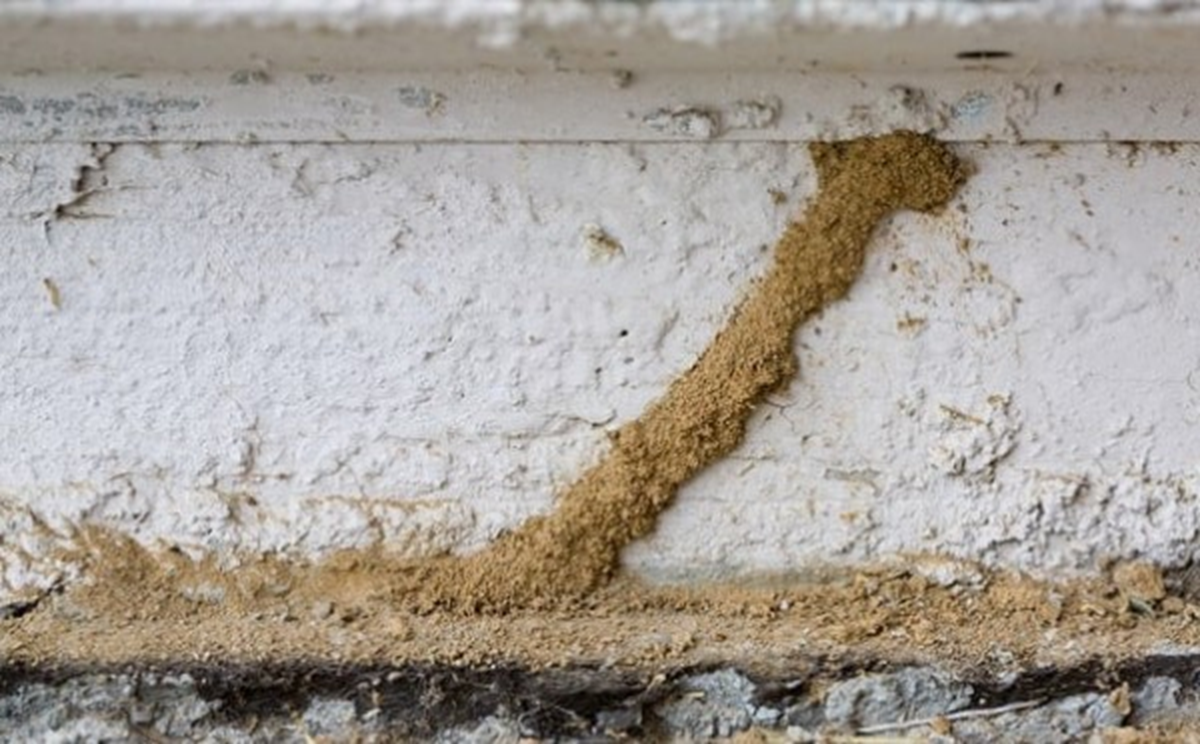
Termite: Underground termites typically create small mud tunnels to travel between soil and wood. These tunnels protect the termites from drying out.
Termites or dampness due to soil falling from the wall
Difference Between Wall Dampness And Termites: If mud suddenly starts falling from the wall of the house, then do not ignore it thinking it to be just old crust or dampness. Sometimes fine mud-like debris coming out of the wall can also be a sign of termites hiding in the house. Especially if thin lines of mud, tunnel-like layer or mud accumulation around the wood is visible on the wall, then the matter can be serious. However, mud falling everywhere does not mean termites. In such a situation, it can be understood from some simple signs whether the problem is due to dampness or termites.
If you see a thin mud tunnel on the wall, pay attention.
Underground termites typically create small mud tunnels to travel between soil and wood. These tunnels protect termites from drying out and allow them to access wood without being exposed. This is why you may notice streaks of mud on your home's foundation, walls, wooden doors, door frames, furniture, fences, or in shady areas. If you see a straight or curved strip of mud extending upward from the ground on a wall, don't brush it off as normal dirt. It could be a termite tunnel.
What does dampness usually look like?
Dampness often results in damp spots, flaking paint, peeling plaster, or a white, salt-like layer on the wall. Sometimes, the wall feels cold or damp to the touch, and if the problem persists for a long time, the scale may continue to peel off. However, the presence of termites can present a slightly different picture. Dirt may accumulate near the wall, the wood may appear hollow, or tunnel-like structures of mud may appear along with very fine cracks on the surface. However, it's difficult to determine whether a wall is infested with termites based on just one sign.
Where the mud tunnel is visible is also important.
Termite soil tunnels are often visible in areas where there is easy contact between the ground and wood or walls. Locations where these are likely to form include around foundations, wooden door and window frames, floor edges, crawl spaces, wooden posts, and fences attached to the house. A thin strip of soil that originates from the ground and reaches the wall or wood should be especially investigated. In some cases, termites may also use small cracks in the wall or passages around pipes and other utilities.
Don't assume that the dry tunnels mean the termites are gone.
Many people think that if the termite tunnel is dry or no insects are visible, the danger is over. This is not necessarily the case. Termites can leave a previous route and become active elsewhere. Therefore, it is not right to jump to conclusions based solely on the tunnel or by breaking it. If damage, hollowness, or other suspicious activity is observed in the surrounding wood, the entire area needs to be inspected.
Termites can damage wood from the inside
The biggest problem with termites is that their damage isn't always initially visible from the outside. Therefore, a door, frame, or other wooden part may appear fine from the outside but still be weak from within. If the wood feels unusually soft when pressed, makes a hollow sound, or if soil tunnels are visible near it, this should be considered a serious sign.
Moisture can worsen termite problems.
Dampness and termites aren't always the same problem, but they can be related. Persistent moisture near the ground, water leaks, wet soil, stagnant water around wood, and shady areas can create a favorable environment for termites. Therefore, if soil is flaking off a wall and there's moisture present, simply repairing the paint or plaster won't solve the problem. The source of the water and the presence of termite activity will need to be investigated.