
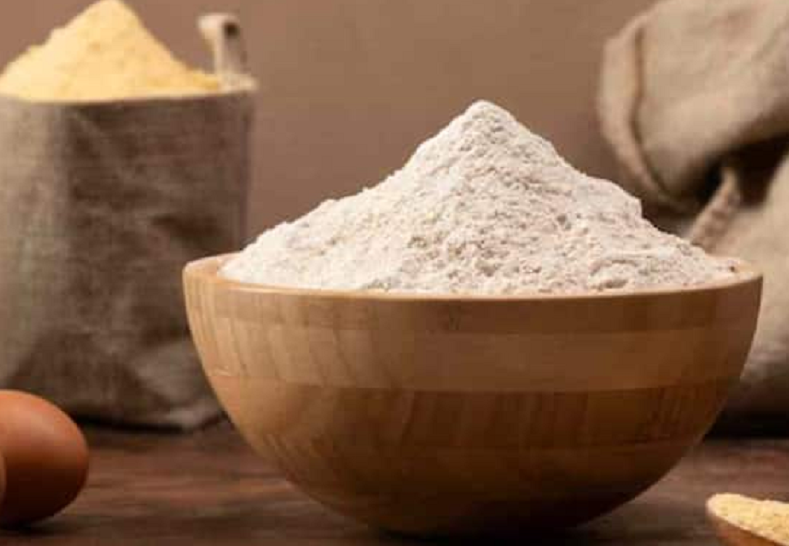
The reason is simple homemade flour is fresh, fragrant, and free of any adulteration. However, if left unattended, wheat or flour can easily become infested with insects or become damp.
Nowadays, everything is available packaged, whether it's spices, pulses, or flour. But if you pay attention, many households still prefer to buy and grind their own wheat. The reason for this is clear: homemade flour is fresh, fragrant, and free of adulteration. However, if care is taken, wheat and flour can easily become infested with insects or become damp. Therefore, today we bring you some old but very effective home remedies. If you follow these tips, your flour will remain fresh and insect-free throughout the year.
1 /7
Whatever container, tank, or drum you use for storing flour, thoroughly wash and dry it before use. If the sun is strong, leave the container in the sun for two days. This will remove all moisture and kill any insects or their eggs. The container must be completely dry; otherwise, the flour may become damp quickly.
2 /7
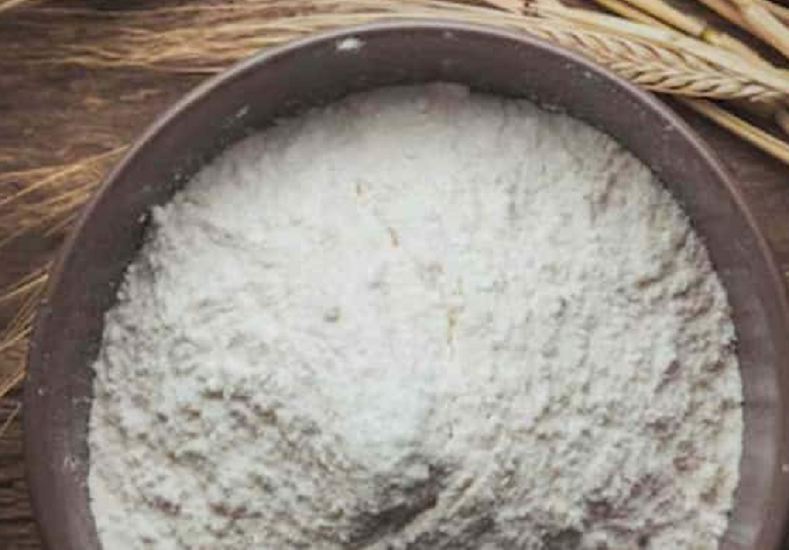
If you wash and store wheat, it's essential to dry it thoroughly. Storing partially dried wheat leaves it moist, making it prone to insect infestation. The best approach is to wash and dry only the amount of wheat you want to grind into flour, and keep the rest dry.
3 /7
Neem has been used for centuries to preserve grains. Its bitterness and aroma keep insects away. When storing flour or wheat, place a few dried neem leaves or twigs between each layer. Be sure to place neem on both the top and bottom. This will keep your wheat or flour away from insects and keep it fresh longer.
4 /7

In ancient times, matchboxes or sticks were placed in wheat. This was done because the sulfur in matchboxes kept insects and moths away. One matchbox for every 10 to 15 kilograms of wheat or flour was sufficient. This is a very simple and effective home remedy.
5 /7

If you'd like, you can also add a few cloves, cinnamon, or bay leaves to the flour. These spices act as natural pesticides. They not only keep the flour away from insects but also give it a pleasant aroma.
6 /7
Many people store flour or wheat in plastic containers, but this is not ideal. Plastic containers don't allow air to reach them, causing moisture to accumulate inside and causing the wheat to spoil. It's best to use a cloth sack, steel, or iron drum. This provides air to the grains and keeps insects away.
7 /7
The biggest mistake is to forget about storing wheat flour. Once every 30-45 days, turn it slightly or expose it to sunlight for a while. If you notice a slight dampness or odor, understand that the wheat or flour needs sunlight. With a little care, your flour will remain fresh and safe throughout the year.