SIM Binding Rule Update (April 2026): In a major move to strengthen digital security and curb online fraud, the Department of Telecommunications (DoT) has extended the deadline for implementing SIM binding rules in India. The rollout, initially planned earlier, will now be completed by the end of 2026, giving tech companies more time to address technical challenges.
Why Has the Deadline Been Extended?
The SIM binding rule was first introduced in November 2025 as part of efforts to tackle rising cases of cyber fraud and identity misuse. However, multiple global tech companies highlighted implementation difficulties, prompting the government to revise the timeline.
Major messaging platforms like WhatsApp, Telegram, and Signal informed authorities that integrating SIM-based verification into their systems is technically complex.
Additionally, global tech giants such as Apple and Google also requested more time. Apple, in particular, pointed out limitations within its iOS ecosystem that make seamless SIM verification difficult without deeper system-level changes.
What Is SIM Binding and How Will It Work?
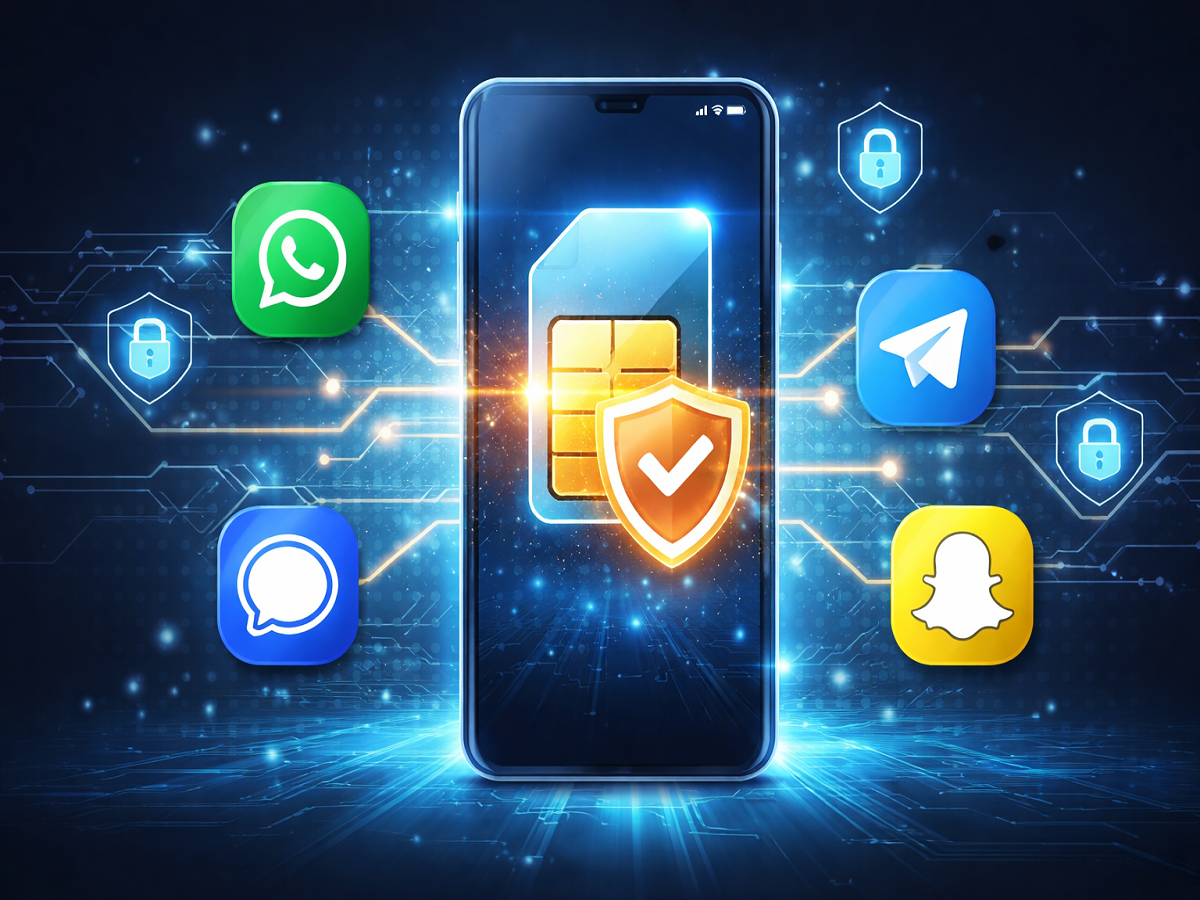
SIM binding is a regulatory requirement that ensures a user’s account on messaging or social media platforms is directly linked to their active mobile SIM card. Under this rule:
- A user’s account must be connected to the SIM used during registration
- If the SIM is removed, changed, or becomes inactive, the app may stop functioning or require re-verification
- Continuous authentication ensures that only the rightful SIM holder can access the account
This rule falls under updates to telecom cybersecurity regulations and is aimed at creating a more secure digital environment.
Platforms That Will Be Affected
The SIM binding requirement will apply to a wide range of platforms, including:
- Messaging apps like WhatsApp, Telegram, and Signal
- Social media and communication tools such as Snapchat and Facebook Messenger
These platforms will need to ensure that user accounts remain tied to an active SIM at all times, adding an extra layer of identity verification.
What Is Meta and WhatsApp Doing?
Meta Platforms is reportedly working closely with the DoT to develop a technically viable solution. One of the proposed features under development involves verifying whether the SIM used during account creation is still present in the device.
However, this feature is still under development and has not yet been rolled out to the public. Engineers are working to ensure that the process is both secure and user-friendly without compromising privacy.
How Will This Benefit Users?
The government believes that SIM binding will significantly reduce:
- Online scams and phishing attacks
- Fake accounts and impersonation
- Unauthorized access to messaging platforms
By linking accounts directly to verified SIM cards, it becomes much harder for fraudsters to misuse identities or operate anonymously.
Industry Concerns and Road Ahead
While telecom operators have largely supported the move, many tech companies remain cautious due to technical, privacy, and compatibility challenges. Ensuring seamless integration across different devices, operating systems, and global user bases remains a key hurdle.
With the deadline now extended to the end of 2026, companies have more time to refine their systems and collaborate with regulators.
Final Takeaway
India’s SIM binding rule marks a significant step toward tightening digital security. Although the implementation has been delayed, the move reflects a balance between regulatory intent and practical feasibility. As the rollout progresses, users can expect stronger safeguards against cybercrime, but also potential changes in how messaging apps function on their devices.