In times like these, it's wise to opt for indigenous and natural options. Taking this thought forward, content creator Shivani Singh has suggested an easy and inexpensive method.
Natural Scrubber
The plastic scrubbers we use in our kitchens today may seem cheap and convenient, but they have many disadvantages. They wear out quickly, leave minor scratches on utensils, and even start to smell after a while. Most importantly, being made of plastic, they also harm the environment. After use, they end up in the trash and don't decompose for years.
In times like these, it's wise to opt for indigenous and natural options.
Taking this approach forward, content creator Shivani Singh has revealed an easy and inexpensive way to make a strong, eco-friendly scrubber from coconut fibers at home. The remarkable thing is that the coconut fibers we often discard as waste can be used to create excellent dishwashing pads. This method not only saves money but also represents a small but significant step towards a zero-waste lifestyle.
Prepare a natural scrubber for cleaning utensils at home using a coconut
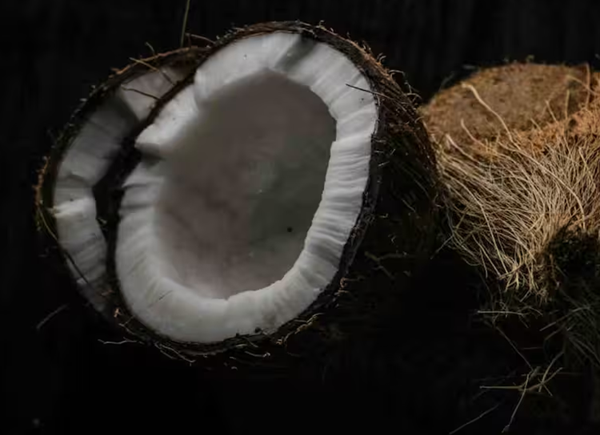
1. Separate the coconut fibers and soak them in water - To make a natural dish scrubber at home using coconut, first take a dry coconut shell. Carefully separate the fibers from the shell. Keep in mind that the longer and stronger the fibers, the more durable your scrubber will be. Now, put these fibers in a bowl and soak them in clean water for a few hours. Soaking softens the fibers and makes them easier to straighten. If the fibers are too stiff, you can soak them for a little longer.
2. Straighten the fibers with a rolling pin - Once the fibers have absorbed the water and softened, remove them from the water and squeeze them lightly. Spread them out on a flat surface, like a rolling board or table. Then, gently roll the fibers with a rolling pin. This will loosen the knots and straighten them. This step is essential as it ensures a uniform and even thickness of your scrubber.
3. Comb the fibers - Now take an old, wide-toothed comb. Comb the coconut fibers as you would comb your hair. This will remove the short, weak, and broken fibers. After this process, you will be left with only the strong, long fibers. These fibers will last longer and won't break easily when used for cleaning utensils.
4. Create the scrubber shape - Now gather these unraveled fibers and arrange them into a square or rectangular shape. Aim for a layer that's neither too thin nor too thick; a pad about half an inch thick is ideal. Ensure the scrubber is comfortable to hold. If it's too thick, it'll be difficult to grip, and if it's too thin, it'll wear out quickly.
5. Sew with strong thread - Now take a large needle and strong thread. Sew the finished fiber pad tightly all the way around. You can sew from the corners or make X-shaped stitches in the middle. You can also zig-zag stitch along the edges. The stronger the stitching, the longer the scrubber will last and will not fray during use.
6. Finishing - Lastly, use scissors to trim off any excess fibers. This will give your scrubber a clean and beautiful appearance. Your all-natural, plastic-free, homemade dish scrubber is ready.