NEWS
Sarthak PDS Explained: New Smart Ration Distribution System to Benefit Over 81 Crore Beneficiaries
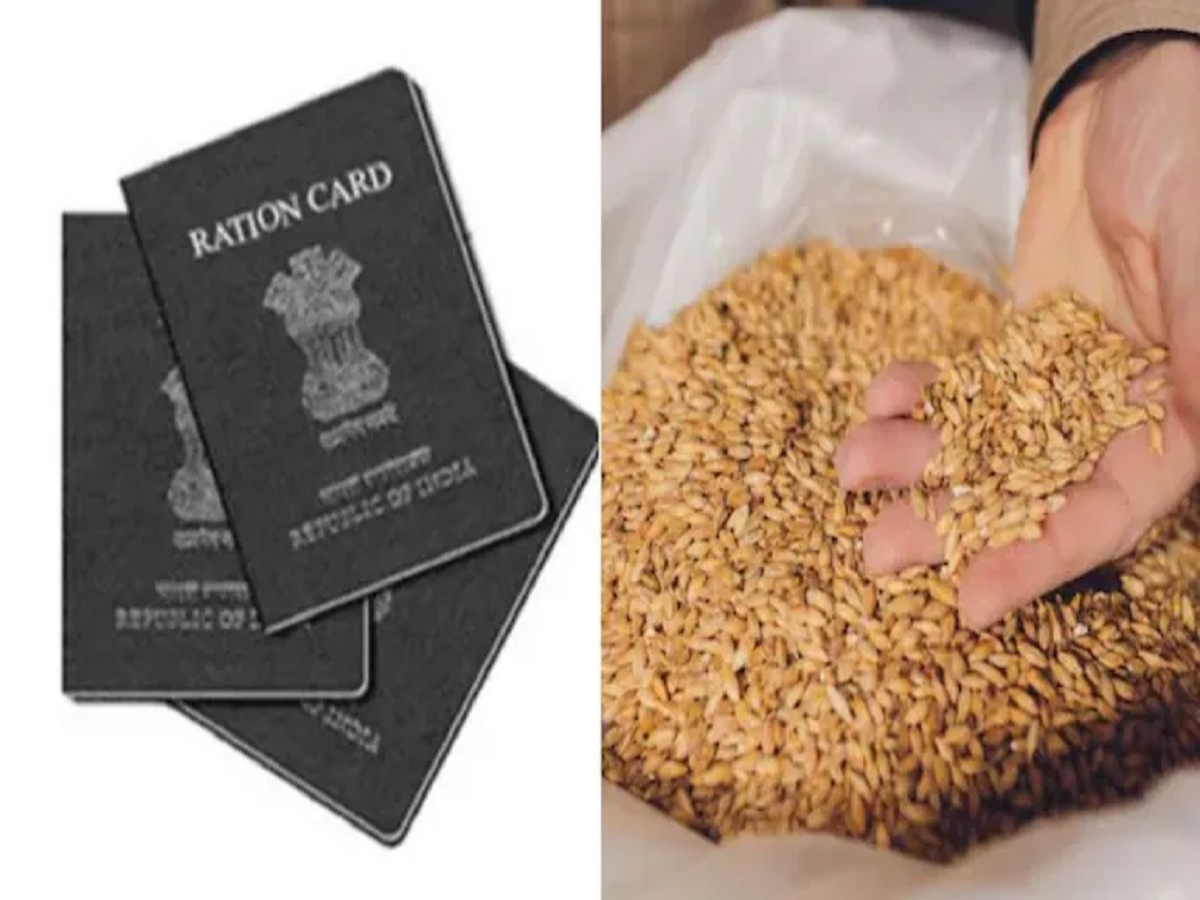
The Government of India has launched a major modernization initiative aimed at transforming the Public Distribution System (PDS). Named Sarthak PDS, the new technology-driven program seeks to make ration distribution more transparent, efficient, and accountable for millions of beneficiaries across the country.
The initiative is expected to strengthen the delivery of subsidized food grains while reducing leakages, duplicate records, and distribution-related irregularities. According to government estimates, the program could benefit more than 81 crore ration card holders nationwide.
With a planned investment of over ₹25,000 crore during the next five years, Sarthak PDS is being viewed as one of the biggest digital reforms in India's food security ecosystem.
What Is Sarthak PDS?
Sarthak PDS is a technology-enabled modernization program designed to improve the functioning of the Public Distribution System.
The initiative aims to digitize and monitor the entire ration supply chain—from government warehouses to fair price shops—using advanced technologies such as artificial intelligence, digital tracking, and smart data management.
The objective is to ensure that food grains reach eligible beneficiaries on time while minimizing fraud and operational inefficiencies.
Why Was the Scheme Introduced?
Although the Public Distribution System plays a vital role in food security, challenges such as delayed deliveries, duplicate beneficiaries, record discrepancies, and monitoring gaps have been reported in various regions.
Sarthak PDS has been introduced to address these issues through:
- Real-time monitoring
- Digital beneficiary management
- AI-powered verification
- Supply chain tracking
- Faster grievance redressal
The government believes that technology can significantly improve service delivery and strengthen transparency.
How Will Beneficiaries Benefit?
The new system is expected to provide several direct advantages to ration card holders.
Greater Transparency
Beneficiaries will be able to access better information regarding:
- Availability of ration
- Distribution schedules
- Quantity allocated
- Delivery status
Reduction in Fraud
Advanced verification systems will help identify:
- Duplicate beneficiaries
- Fake registrations
- Ineligible claimants
This could ensure that subsidized food reaches genuine beneficiaries.
Faster Complaint Resolution
The scheme introduces digital grievance mechanisms that may significantly reduce the time required to resolve complaints related to ration distribution.
Better Monitoring of Food Supplies
Authorities will be able to track food grain movement from storage facilities to ration shops, reducing opportunities for diversion or misuse.
Three Major Components of Sarthak PDS
The initiative is built around three core technology platforms.
Nirmal: Smart Beneficiary Verification System
Nirmal is an AI-based beneficiary registration and verification platform.
Its primary functions include:
- Integrating government databases
- Identifying duplicate records
- Detecting fraudulent registrations
- Improving beneficiary accuracy
This system is expected to strengthen the integrity of the beneficiary database.
ASHA: Digital Support and Grievance Platform
ASHA will serve as an AI-powered assistance and complaint management platform.
Features may include:
- Chatbot-based support
- WhatsApp integration
- Complaint registration
- Information services
- Status tracking
The goal is to provide easier access to support services for beneficiaries.
Saksham: Supply Chain Monitoring System
Saksham focuses on logistics and transportation management.
Key capabilities include:
- Vehicle tracking
- QR code-based monitoring
- Demand forecasting
- Supply chain analytics
- Distribution tracking
The system is expected to improve efficiency throughout the ration delivery network.
End-to-End Tracking of Food Grain Movement
One of the most significant features of the initiative is comprehensive supply chain visibility.
Under the new framework, authorities will be able to monitor the movement of food grains at every stage, including:
- Government warehouses
- Transportation routes
- Distribution centers
- Fair price shops
- Final delivery points
This real-time monitoring could reduce losses and improve accountability.
Digital Transformation of the Public Distribution System
Sarthak PDS represents a broader effort to modernize welfare delivery through digital infrastructure.
By leveraging artificial intelligence, automation, and data integration, the government aims to build a more responsive and citizen-friendly food distribution system.
The initiative also aligns with India's larger vision of expanding technology-driven governance and improving public service delivery.
What It Means for Ration Card Holders
For millions of families that depend on subsidized food grains, the scheme could bring several practical improvements:
- Better access to information
- Reduced chances of ration diversion
- Improved service quality
- Faster grievance handling
- Greater confidence in the system
If implemented effectively, Sarthak PDS could significantly enhance the experience of beneficiaries while strengthening food security programs across the country.