
LIFESTYLE
Salt Storage Tips: Do you keep salt near the gas stove? Change this one habit immediately.
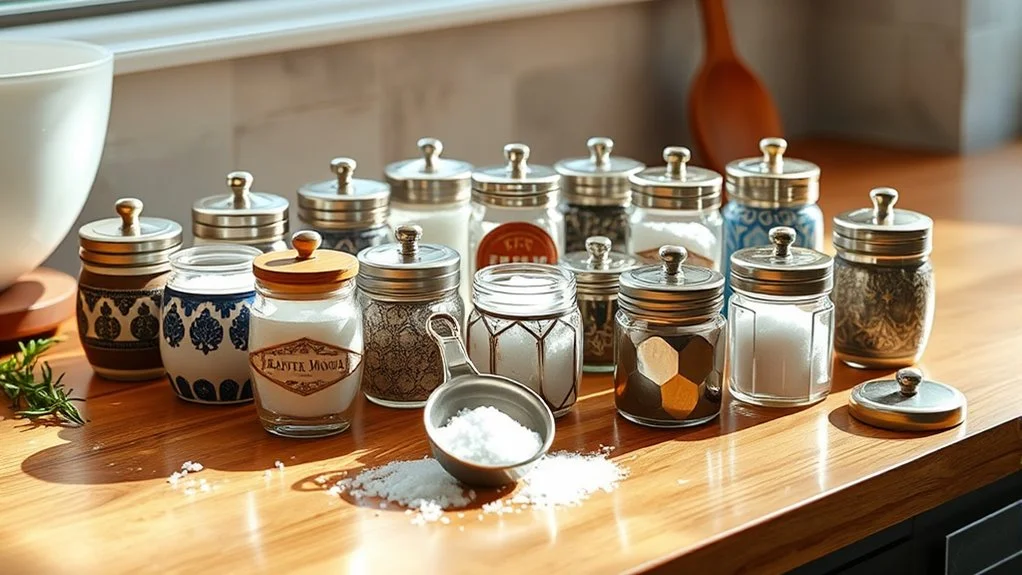
Salt Storage Mistakes: Salt is generally not perishable. Ordinary salt, or sodium chloride, can remain safe for a long time. However, it absorbs moisture from the air.
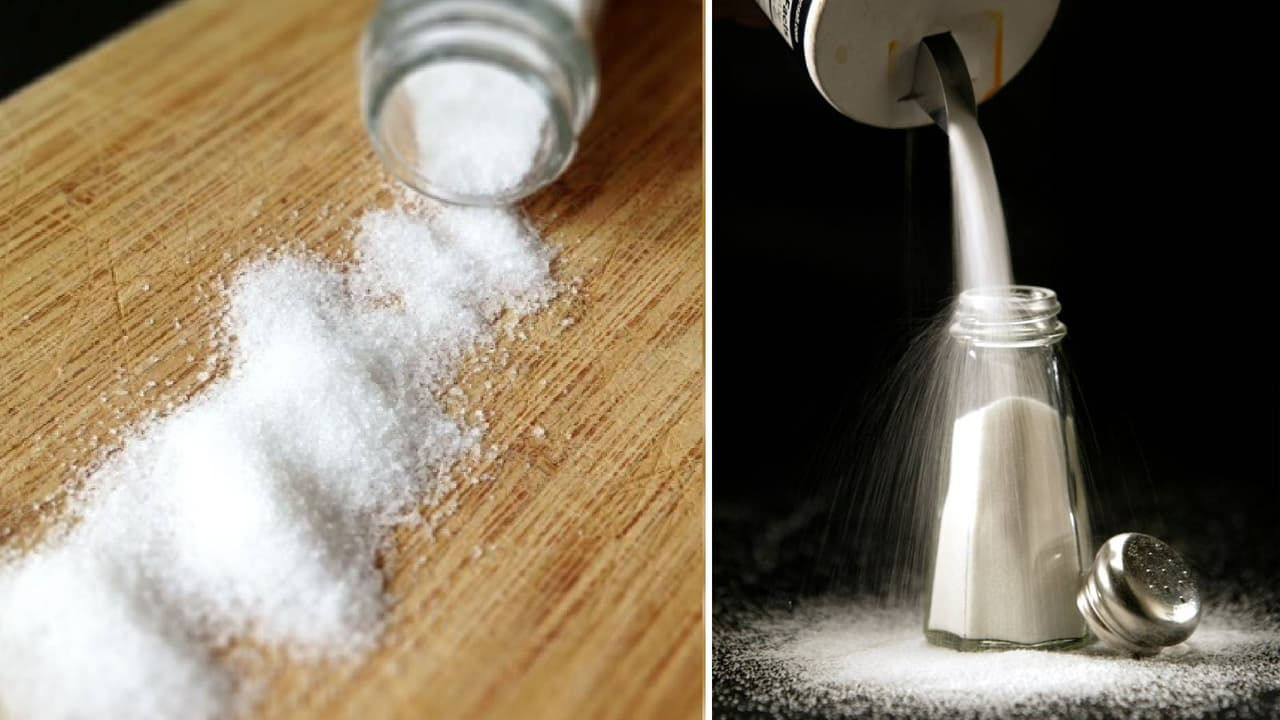
Why should salt not be kept near the gas stove?
Why You Should Not Keep Salt Near the Gas Stove: Salt is one of the most commonly used ingredients in the kitchen when cooking. Therefore, most people prefer to keep it in a place where it is easily accessible. In many homes, the salt container is kept right next to or near the gas stove. This method certainly seems convenient, but have you ever considered that constantly keeping salt near the gas stove could be causing problems in your daily cooking?
Salt is generally not perishable. Ordinary salt, or sodium chloride, can be stored for a long time. However, salt has a unique property: it absorbs moisture from the air. This is why, if stored improperly, salt can begin to clump and become difficult to remove from the container.
What happens if you keep salt near gas?
When cooking, not only heat is generated around the gas, but steam and moisture are also generated. When water boils or steam escapes from a vessel, it rises and reaches surrounding objects. If a salt container is constantly kept near the gas, this moisture can reach inside it. Salt absorbs moisture from the air. If this happens repeatedly, the small grains of salt begin to stick together and gradually form hard clumps. After some time, it becomes difficult to remove the salt from the container, and the holes in the shaker can also become clogged.
This doesn't mean that salt stored near gas will spoil immediately. The main problem is moisture and the difficulty of handling it. This can happen more quickly if the container is left open or the lid is not closed properly.
Avoid keeping salt near the sink.
Not only the gas stove, but the kitchen sink is also not a good place to store salt. Sink areas are usually humid. Dishes, splashes, and constant humidity can cause salt to absorb excess moisture from the air. Therefore, it's best to store salt where it's less exposed to water, steam, and heat. A dry cabinet or kitchen shelf located a short distance from the gas stove and sink may be a good place.
What kind of container is best for storing salt?
To store salt dry, use a container with a tight-fitting lid. Glass, ceramic, or high-quality, food-grade plastic containers are suitable. If you store salt in a salt shaker during daily cooking, ensure the lid is properly closed after use. Leaving the salt shaker open can easily allow moisture from the kitchen air to enter. Always use a dry spoon when scooping salt. Scooping salt with a wet spoon can introduce moisture directly into the salt and cause the grains to stick together.
What to do if there are lumps in the salt?
If the salt has already formed lumps, there's no need to throw it away. If the salt is clean and free of any dirt or other contaminants, the lumps can be broken up with a spoon. Some people also place a few grains of dry rice in the salt container. This is to help absorb excess moisture. However, it's even more important that the salt container remains dry and the lid is securely closed.
Should salt be kept in the fridge?
Salt doesn't need to be stored in the refrigerator. Refrigerators also retain moisture, and frequent opening and closing of the door causes changes in temperature and humidity. This can contribute to the salt's clumping. A cool, dry, and light-free kitchen cabinet is a good place to store salt. Store it away from gas heat, steam, or sink water.
Take care of iodized salt as well.
If you use iodized salt, it's even more important to keep it away from moisture, heat, and light. The iodine content can diminish over time, especially if stored improperly. Therefore, keeping salt near the stove may seem like a small habit, but it can cause significant problems in daily use. Store the container in a dry place, away from the stove; always keep the lid closed; and use a dry spoon to scoop out the salt. These simple precautions can help keep salt dry and usable for longer.