LIFESTYLE
Male Fertility Alert: Can Keeping Your Phone in Your Pocket and Laptop on Your Lap Affect Sperm Count?
Male Fertility and Sperm Health: Smartphones and laptops have become essential parts of everyday life. From attending office meetings and working remotely to watching videos and communicating with friends, people spend several hours using electronic devices. However, certain everyday habits, such as carrying a smartphone in the front trouser pocket or working with a laptop directly on the lap, have raised questions about their possible effects on male reproductive health.
Researchers have examined whether prolonged exposure to laptop-generated heat and radiofrequency electromagnetic energy from mobile phones could influence sperm count, sperm quality and fertility.
Some studies have reported associations between these exposures and changes in sperm characteristics. However, scientific findings remain mixed, particularly regarding mobile phone radiation, and researchers have not conclusively established that these habits cause male infertility.
Understanding the available evidence can help men make informed decisions without unnecessary anxiety.
Why Is Temperature Important for Healthy Sperm Production?
The male reproductive system requires specific conditions to produce healthy sperm.
The testicles are located outside the main body cavity in the scrotum, where they generally remain approximately 2–3°C cooler than the body's core temperature.
This temperature difference is important for spermatogenesis, the biological process through which sperm cells develop.
When the testicles are exposed to excessive heat for extended periods, normal sperm production may be affected.
Factors such as prolonged heat exposure, certain medical conditions and occupational environments can influence testicular temperature.
Researchers have therefore investigated whether using heat-generating electronic devices close to the reproductive organs could contribute to changes in sperm health.
1. Using a Laptop on Your Lap May Increase Testicular Temperature
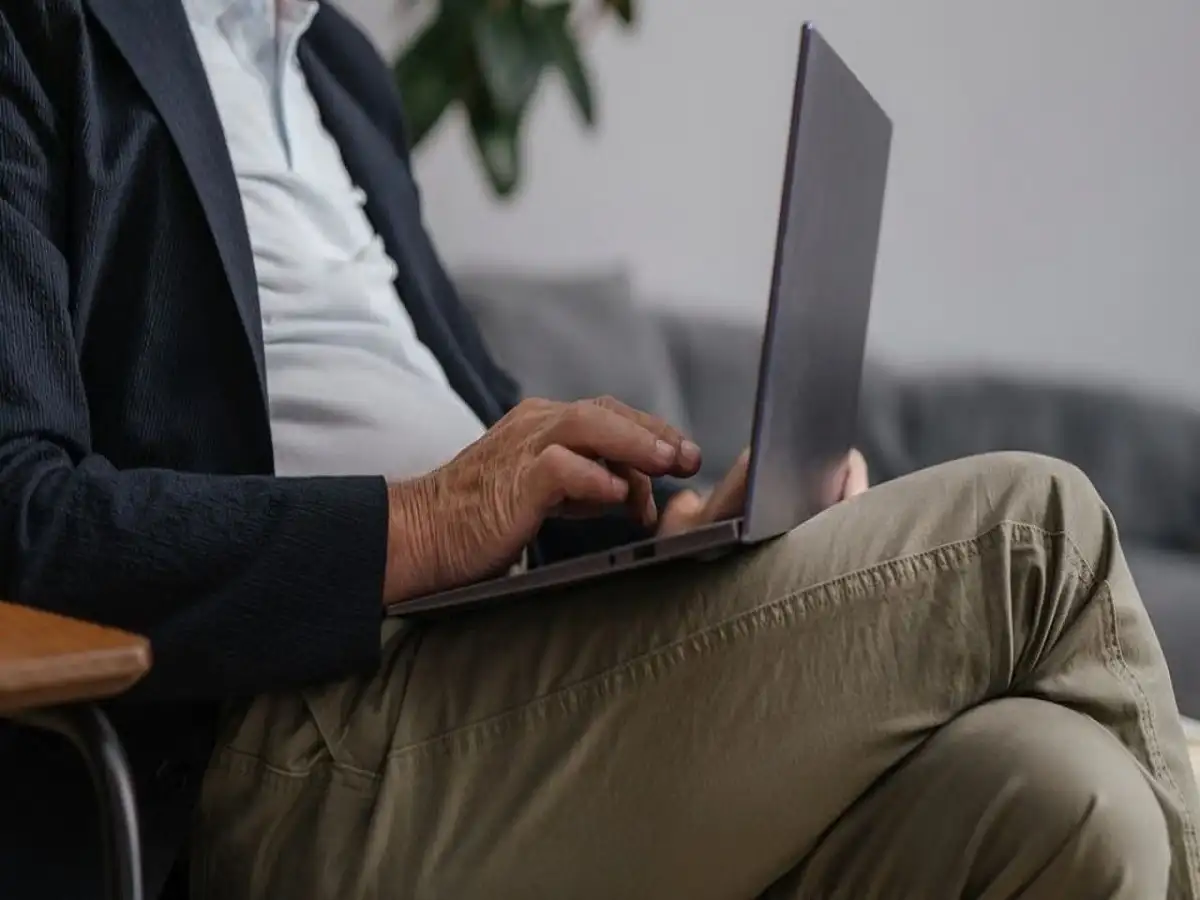
Many people prefer working with their laptops resting directly on their thighs, particularly while sitting on a sofa, bed or chair.
Although this position may feel comfortable, laptops generate heat during operation. The amount of heat depends on factors such as processor activity, ventilation and duration of use.
Research has demonstrated that keeping a laptop directly on the lap can increase scrotal temperature.
Additionally, the sitting posture commonly adopted while using a laptop may contribute to heat accumulation around the thighs and groin.
Excessive or prolonged testicular heating can interfere with the conditions required for normal sperm development.
However, an increase in scrotal temperature during laptop use does not automatically mean that a person will experience reduced fertility.
More research is needed to establish how typical laptop-use patterns affect long-term reproductive outcomes.
Practical precaution: Using a laptop on a desk or table rather than directly on the thighs is a simple way to reduce unnecessary heat exposure.
2. Can Carrying a Mobile Phone in Your Pocket Reduce Sperm Count?
Another frequently discussed concern involves carrying smartphones in the front pockets of trousers.
Mobile phones emit radiofrequency electromagnetic energy when communicating with cellular networks and other wireless systems.
Scientists have investigated whether exposure to this non-ionizing radiation could influence sperm concentration, movement, viability or structure.
Some observational studies have identified associations between greater mobile phone use and less favorable semen parameters.
For example, an earlier clinical study involving 361 men undergoing fertility evaluation examined mobile phone usage patterns and several indicators of sperm quality.
Researchers reported poorer results in certain semen measurements among participants with higher reported phone usage.
However, such findings have important limitations.
Observational research cannot establish whether mobile phones directly caused the differences. Other factors, including lifestyle, health conditions, environmental exposures and individual habits, may influence results.
Furthermore, evidence concerning the specific effects of carrying a phone in a trouser pocket remains inconsistent.
Therefore, it would be inaccurate to conclude that keeping a smartphone in a pocket necessarily reduces sperm count or causes infertility.
3. What Do Scientific Studies Actually Reveal About Electronic Devices?
Research examining electronic devices and male reproductive health has produced several important observations.
Laptop Heat Exposure
Studies indicate that using a laptop directly on the thighs can increase scrotal temperature.
However, the extent to which ordinary laptop use affects long-term sperm production remains uncertain.
Prolonged Exposure to High Temperatures
There is biological and clinical evidence that excessive heat exposure can negatively influence sperm production.
The impact depends on factors such as temperature intensity, duration and individual health conditions.
Mobile Phone Radiofrequency Exposure
Some laboratory and observational studies have suggested possible associations between radiofrequency exposure and changes in sperm characteristics.
Other investigations have not found consistent or clinically significant effects.
Current evidence does not conclusively demonstrate that normal mobile phone use causes male infertility.
Sperm Quality and Infertility Are Not the Same
A change in one semen parameter does not necessarily mean that a man is infertile.
Male fertility depends on multiple biological factors, including sperm concentration, motility, morphology, reproductive hormone levels and overall reproductive health.
Fertility assessments also consider the health of both partners.
4. Simple Lifestyle Changes That May Support Male Fertility
Men concerned about reproductive health can adopt several practical habits that support general well-being and help limit unnecessary heat exposure.
- Use a desk for laptop work: Place laptops on a stable table or desk rather than directly against the thighs, especially during long working sessions.
- Consider alternative phone storage: Keeping a smartphone in a bag instead of a front trouser pocket is an optional precaution, although it has not been proven to improve fertility.
- Avoid excessive heat exposure: Limit prolonged exposure to very hot baths, saunas or other high-temperature environments when concerned about sperm production.
- Maintain a healthy body weight: Obesity can affect hormonal balance and reproductive health.
- Exercise regularly: Moderate physical activity supports general health and may benefit reproductive function.
- Avoid smoking and recreational drugs: Smoking and certain substances are associated with poorer reproductive outcomes.
- Limit alcohol consumption: Heavy drinking may negatively affect reproductive health and hormone regulation.
- Prioritize adequate sleep: Healthy sleep patterns help support normal physiological and hormonal functions.
These measures are generally more meaningful than focusing exclusively on one electronic device.
5. What Other Factors Can Affect Sperm Count?
Male infertility can result from several medical, genetic, environmental and lifestyle factors.
Common contributors include hormonal disorders, varicocele, infections, certain medications, smoking, obesity and exposure to some environmental toxins.
Age and chronic medical conditions may also influence reproductive health.
In some cases, the exact reason for reduced sperm quality remains unknown.
Because multiple factors may be involved, men should avoid assuming that a smartphone or laptop is responsible for fertility difficulties without a proper medical evaluation.
6. When Should Men Consult a Fertility Specialist?
Men who are concerned about their sperm count or reproductive health should consult a qualified healthcare professional.
A medical evaluation is particularly important when a couple has been unable to conceive after 12 months of regular, unprotected intercourse.
Earlier assessment is generally recommended after six months if the female partner is 35 or older, or sooner when either partner has known fertility risk factors.
Doctors may recommend semen analysis to evaluate sperm concentration, movement and morphology.
Depending on the results, additional hormonal tests, physical examinations or other investigations may be necessary.
One abnormal semen analysis does not always indicate permanent infertility, and repeat testing may be recommended because semen parameters can vary.
Final Thoughts
Carrying a smartphone in the front pocket or using a laptop on the lap is common, but these habits have prompted legitimate scientific questions about male reproductive health.
Available research supports the finding that laptop use on the thighs can raise scrotal temperature. However, the long-term reproductive consequences of typical laptop use are not fully established.
Similarly, studies investigating mobile phone exposure and sperm quality have produced inconsistent findings, and a direct causal relationship with infertility has not been confirmed.
Men who want to protect their reproductive health should focus on balanced nutrition, regular exercise, avoiding smoking, maintaining a healthy weight and reducing unnecessary heat exposure.
For persistent fertility concerns, professional medical assessment remains the most reliable approach.
Medical Disclaimer: This article is intended for educational and informational purposes only. It does not replace professional medical advice, diagnosis or treatment. Anyone experiencing fertility difficulties should consult a qualified healthcare professional.