FOOD & RECIPE
Rava Kesari Recipe: Make Rava Kesari in your first kitchen; your in-laws will never tire of praising you.
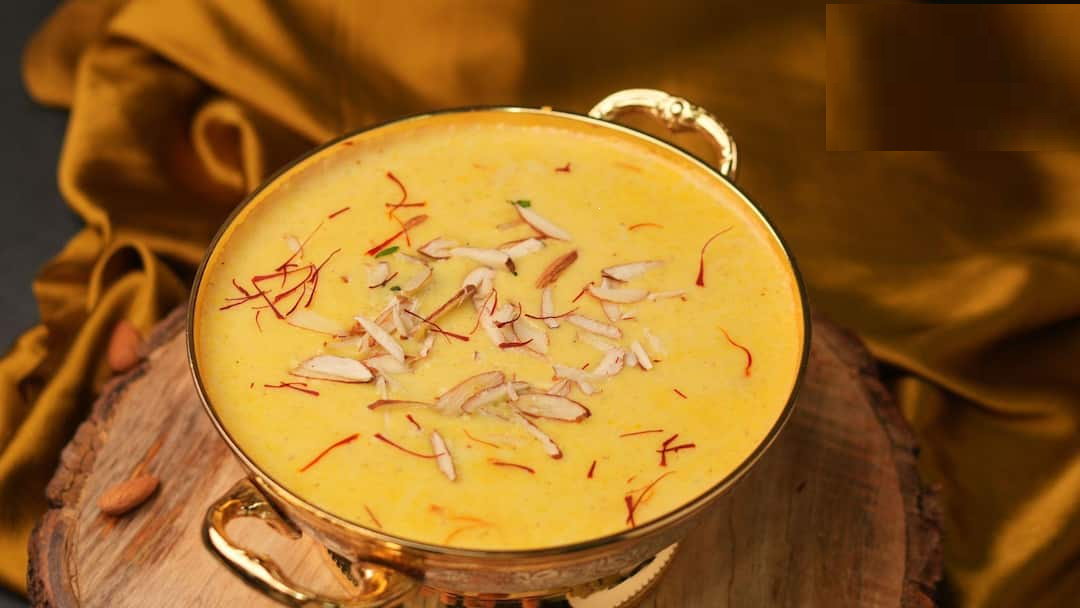
South Indian Dessert: The best part about Rava Kesari is that it doesn't take long to prepare. It requires ingredients like semolina, ghee, sugar, water, cashews, raisins, and cardamom.
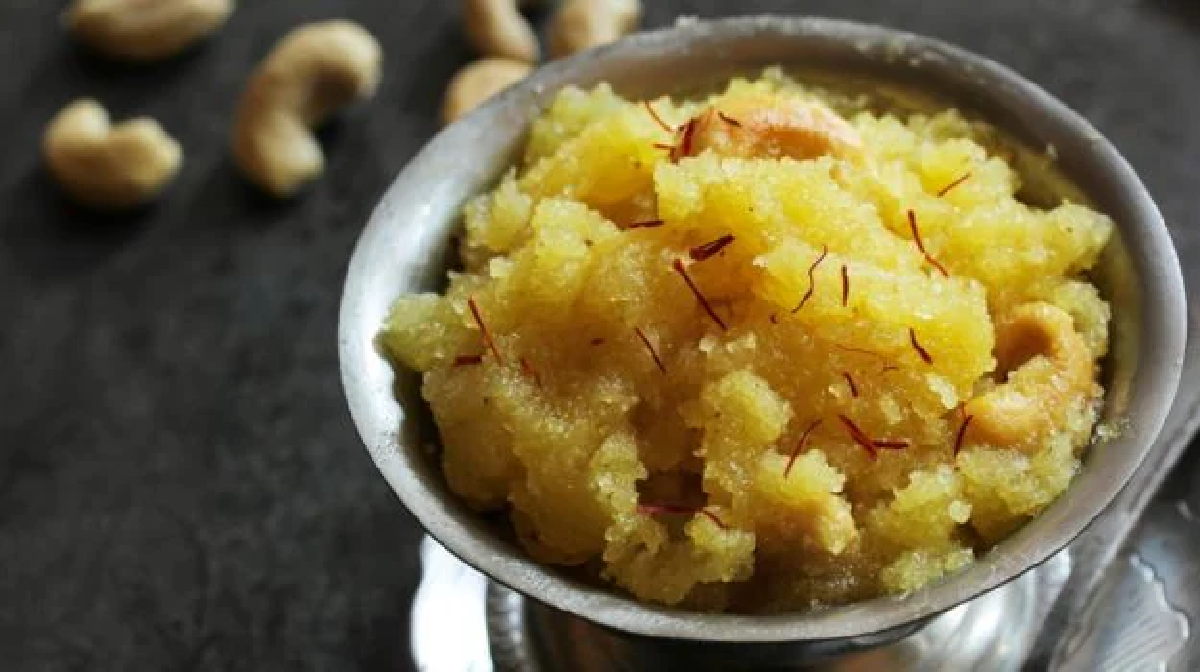
First Kitchen Sweet Recipe
South Indian Rava Kesari: The first kitchen is special for every new bride. On this day, one feels like preparing something that is both delicious and easy to make. If you are considering a sweet dish for your first kitchen, South Indian-style Rava Kesari may be a good choice. This semolina-based sweet is quick to prepare and has a much-loved flavor. When prepared correctly, Rava Kesari is light, soft, and fluffy.
What is Rava Kesari?
Many types of halwa are made in India, and Rava Kesari is one of them. It is especially made in South India. Here, rava means semolina, while kesari is associated with the color orange or saffron. This is why this sweet is called Rava Kesari. The method of preparation may vary slightly in different parts of South India. In many places, it is also made for pujas, festivals, and other auspicious occasions. Some people eat it for breakfast, while in many homes, it is served as a dessert after meals.
Why is it special for the first kitchen?
The best part about Rava Kesari is that it doesn't take long to prepare. It requires ingredients like semolina, ghee, sugar, water, cashews, raisins, and cardamom. Saffron or natural food coloring can be used for coloring. If you're planning to make something sweet in your kitchen for the first time, Rava Kesari can easily be incorporated into the menu. It can be made at home or served like a restaurant.
What is needed to make Rava Kesari?
This requires one cup of semolina, about two and a half cups of water, three to four tablespoons of ghee, three-quarters to one cup of sugar, 12 cashews, 12 raisins, and one-quarter teaspoon of cardamom powder. Saffron can be used for color. If you prefer, you can use milk or a mixture of water and milk instead of water.
Firstly roast cashews and raisins.
Heat two tablespoons of ghee in a heavy-bottomed pan. Add cashews and fry until lightly golden. Then, add raisins and fry until they swell. Remove both to a plate and set aside. Now, add one cup of semolina to the same pan and mix it thoroughly with the ghee. Stir-fry the semolina over low to medium heat, stirring constantly. Continue to fry until it begins to smell fragrant and becomes slightly crunchy. Ensure the semolina does not turn brown.
Be careful while adding hot water to the semolina.
While the semolina is roasting, heat two and a half cups of water in another pot. Once the water is boiling, slowly pour it into the semolina. Stir the semolina continuously with your other hand to prevent lumps. After adding the water, cook the semolina while stirring constantly until it is completely absorbed. Then, reduce the heat, cover the pot, and cook for about two to three minutes.
Now add sugar and ghee
After this, add three-quarters to one cup of sugar. If you don't like it too sweet, you can reduce the amount of sugar. After adding sugar, the mixture will become a little loose and sticky. Cook it until the excess moisture evaporates. Now add cardamom powder and saffron. If using saffron, soak it in hot water before adding it. After this, add three to four tablespoons of ghee and mix well. Continue cooking the Rava Kesari until the mixture starts leaving the pan. Finally, add the pre-roasted cashews and raisins. If desired, you can cover it and let it sit for two minutes.
Give Rava Kesari a restaurant-like look
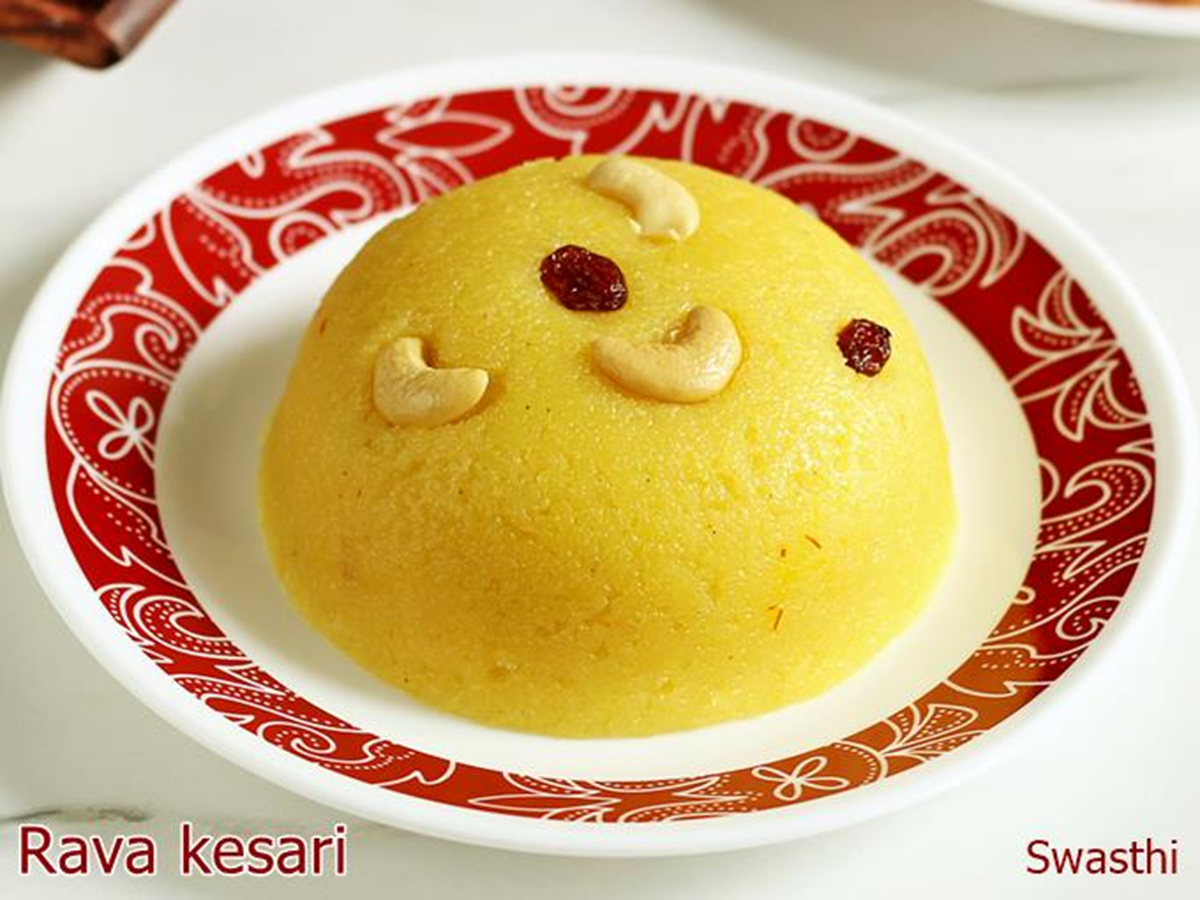
If you'd like to serve it in a unique way on your first try, lightly grease a small bowl with ghee. Fill it with the prepared rava kesari and press it down gently with a spoon. Then, invert it onto a serving plate. Gently remove the bowl and garnish it with cashews and raisins.
How to make fluffy Rava Kesari
The taste and texture of Rava Kesari largely depend on the correct ratio of semolina, water, and ghee. Using two and a half cups of water for one cup of semolina results in a soft and light kesari. It's also important to roast the semolina thoroughly. Roasting it over low heat keeps it fluffy rather than sticky.