
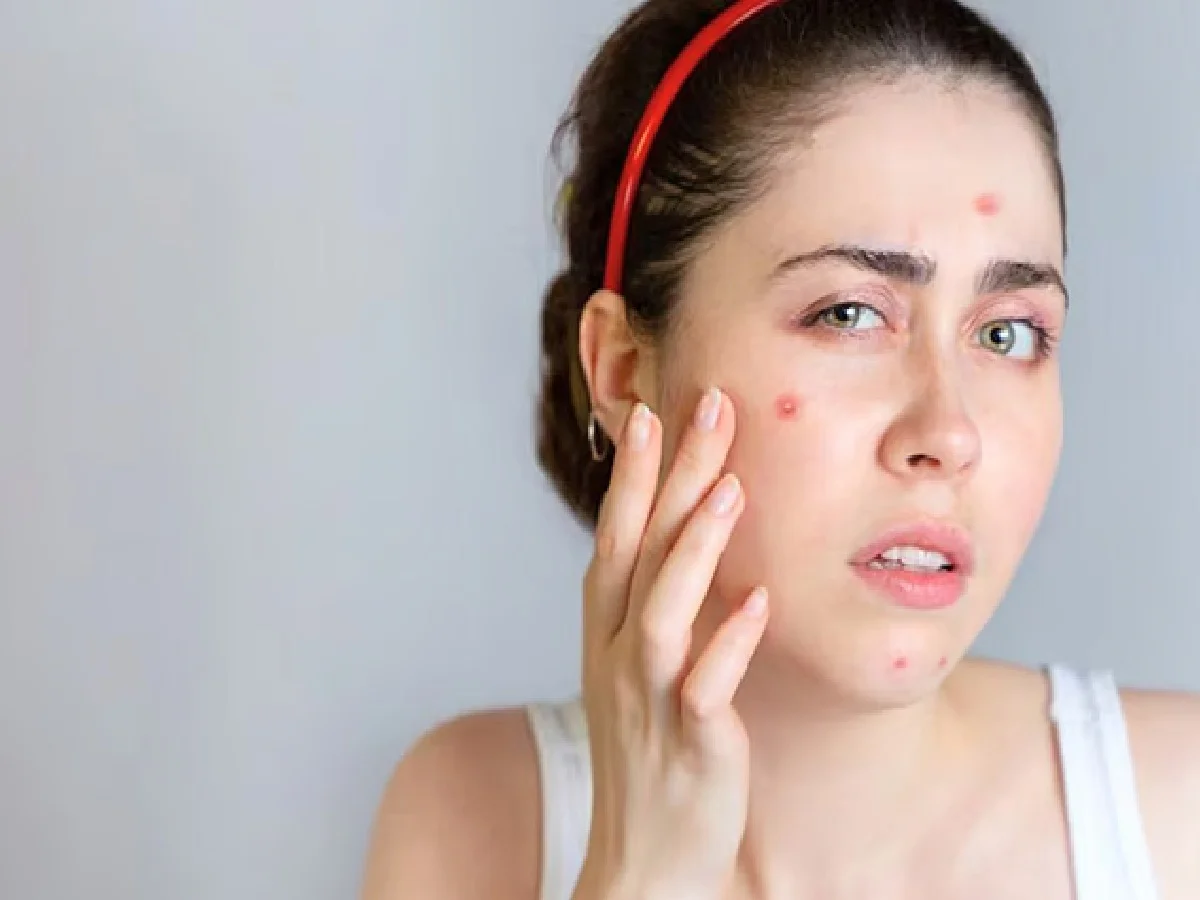
For many women, the days leading up to their menstrual cycle bring more than just mood swings, cramps, and fatigue. One of the most common yet frustrating issues is the sudden appearance of painful pimples, especially around the chin, jawline, and lower face.
While occasional breakouts may seem normal, recurring acne before every menstrual cycle could be a sign of underlying hormonal changes or lifestyle-related factors. Health experts say that persistent premenstrual acne should not always be ignored, as it may sometimes indicate deeper health concerns that require attention.
Here's a closer look at why period-related acne occurs and what women can do to manage it effectively.
Why Do Pimples Appear Before Periods?
The primary reason behind premenstrual acne is hormonal fluctuation.
Throughout the menstrual cycle, the levels of estrogen and progesterone constantly change. In the days leading up to menstruation, estrogen levels typically decline while progesterone levels rise. This hormonal shift stimulates the skin's oil-producing glands, causing them to produce excess sebum.
When excess oil combines with dead skin cells, pores become clogged. This creates the perfect environment for acne-causing bacteria to multiply, resulting in inflamed and often painful pimples.
Because these hormonal changes occur regularly every month, many women notice a predictable pattern of breakouts before their periods begin.
1. Hormonal Fluctuations During the Menstrual Cycle
Hormonal changes remain the most common cause of period acne.
The rise and fall of estrogen and progesterone directly affect oil production in the skin. Increased oil secretion can trigger clogged pores and inflammation, particularly around the chin and jawline, where hormonal acne is most frequently seen.
Women with naturally sensitive skin may experience more severe breakouts during this phase.
2. Elevated Stress Levels
Stress can significantly worsen hormonal acne.
When a person experiences stress, the body produces higher levels of cortisol, commonly known as the stress hormone. Increased cortisol can stimulate oil glands and contribute to inflammation, making acne more severe.
Experts note that women who experience persistent stress often report larger, more painful breakouts before menstruation.
Managing stress through exercise, meditation, proper sleep, and relaxation techniques may help reduce the frequency and severity of acne flare-ups.
3. Polycystic Ovary Syndrome (PCOS) or PCOD
Frequent, recurring acne may sometimes be linked to hormonal disorders such as Polycystic Ovary Syndrome (PCOS) or Polycystic Ovarian Disease (PCOD).
These conditions can cause hormonal imbalances that increase androgen levels, leading to excessive oil production and stubborn acne.
Other symptoms may include:
- Irregular periods
- Weight gain
- Excess facial or body hair
- Hair thinning
- Difficulty managing weight
Women experiencing these symptoms alongside severe acne should consider consulting a healthcare professional for proper evaluation.
4. Insulin Resistance and Blood Sugar Imbalance
Insulin resistance is another factor that may contribute to hormonal acne.
When the body struggles to regulate blood sugar effectively, it can trigger hormonal changes that increase oil production and inflammation. This may result in recurring acne outbreaks before menstruation.
Maintaining healthy blood sugar levels through a balanced diet and regular physical activity can help support hormonal balance.
5. Poor Dietary Habits
Diet can play an important role in skin health.
Consuming excessive amounts of sugary foods, processed snacks, refined carbohydrates, and oily foods may worsen inflammation and contribute to acne formation.
Many dermatologists recommend paying closer attention to food choices during the week leading up to menstruation.
Lifestyle Changes That May Help Prevent Period Acne
Experts recommend several simple lifestyle modifications to support healthier skin during the menstrual cycle:
Follow a Balanced Diet
Include:
- Green leafy vegetables
- Fresh fruits
- Nuts and seeds
- Whole grains
- Protein-rich foods
Limit Trigger Foods
Reduce consumption of:
- Fried foods
- Sugary desserts
- Soft drinks
- Processed snacks
- Highly refined carbohydrates
Stay Hydrated
Drinking enough water helps support healthy skin function and may reduce excess oil buildup.
Get Adequate Sleep
Poor sleep can increase stress hormones and worsen acne-related inflammation.
Maintain a Consistent Skincare Routine
Gentle cleansing and non-comedogenic skincare products may help keep pores clear during hormonal fluctuations.
When Should You See a Doctor?
Occasional breakouts before periods are generally normal. However, medical advice should be considered if:
- Acne becomes increasingly painful.
- Large cystic pimples appear regularly.
- Breakouts leave scars.
- Menstrual cycles become irregular.
- Symptoms of PCOS or hormonal imbalance are present.
Early diagnosis and treatment can help prevent long-term skin and hormonal issues.
Final Thoughts
Pimples before periods are often caused by natural hormonal changes, but recurring and severe breakouts may sometimes signal underlying health conditions such as PCOS, insulin resistance, or chronic stress. Understanding the root cause can help women take appropriate steps to manage both their skin and overall health.
A healthy lifestyle, balanced nutrition, stress management, and timely medical consultation can go a long way in reducing period-related acne and improving overall well-being.