PARENTING
Parent-Child Relationship: After scolding children, parents should not make this mistake, even by mistake!
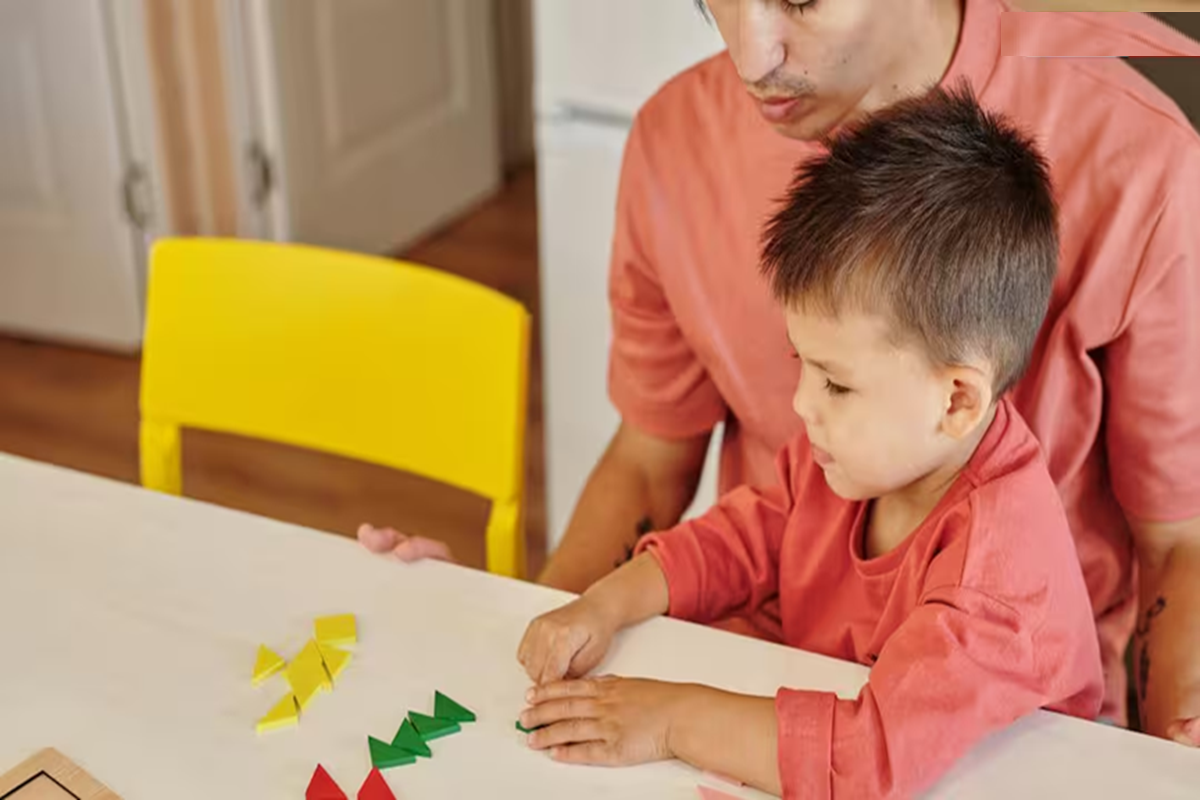
Calm Parenting Techniques: Children should realise that anger and arguments last for a short time, but love and affection remain forever in relationships.

How to win back the trust of children?
How To Rebuild Trust With Children After Discipline: Conflicts between parents and children are completely normal. Sometimes, scolding becomes necessary to teach children understanding or discipline. This helps children understand the difference between right and wrong, manage their emotions, and understand the importance of boundaries. However, such moments often leave a deep impact on children's minds. After a scolding or argument, they may feel fear, shame, confusion, or loneliness.
This is why teaching children discipline is as important as reinforcing trust in them. Children should realize that anger and arguments are temporary, but love and affection remain in relationships forever.
What is important after an argument with children?
The first thing to do is avoid distancing yourself from your children after a fight or scolding. Many parents think it's best to remain silent for a while to calm the situation. However, children often interpret this silence as anger or rejection. At such times, sitting next to them, stroking their head, or simply talking to them in a normal way can help them feel that the relationship is still safe.
What should parents pay attention to?
Additionally, it's more important to understand children's feelings than to explain things in detail. Parents often try to prove their point, but children need emotional support, not logic. If parents calmly convey that they understand their child's distress, they will quickly feel at ease.
What should be kept in mind for emotional children?
Validating children's feelings is also crucial. After being scolded, a child feels emotionally drained. At such times, they don't need advice or lectures, but rather reassurance that their feelings are not wrong. This doesn't mean justifying their mistakes, but rather explaining that it's normal to feel angry, sad, or scared.
What to do after scolding children?
The tone and language of a parent after a scolding also matter. A calm voice and soft words signal to children that the situation is returning to normal and that they are safe. This reduces shame or fear and helps the child better understand their mistake.
Relationships grow with love and conversation.
After every argument or discipline, the conversation should end with love and affection. If the relationship ends in tension or silence, children carry that burden for a long time. Meanwhile, a smile, a hug, or a loving conversation reassures them that their parents' love is always with them. In reality, trust with children isn't built by never having arguments, but by how lovingly and understandingly the relationship is handled after an argument.