NEWS
Pakistan is already suffering from inflation, now this country has asked it to repay the $2 billion debt. What are the options now?

The government has also revised petroleum levies. The tax on petrol has been increased to ₹160 per liter, while the duty on diesel has been reduced to zero.
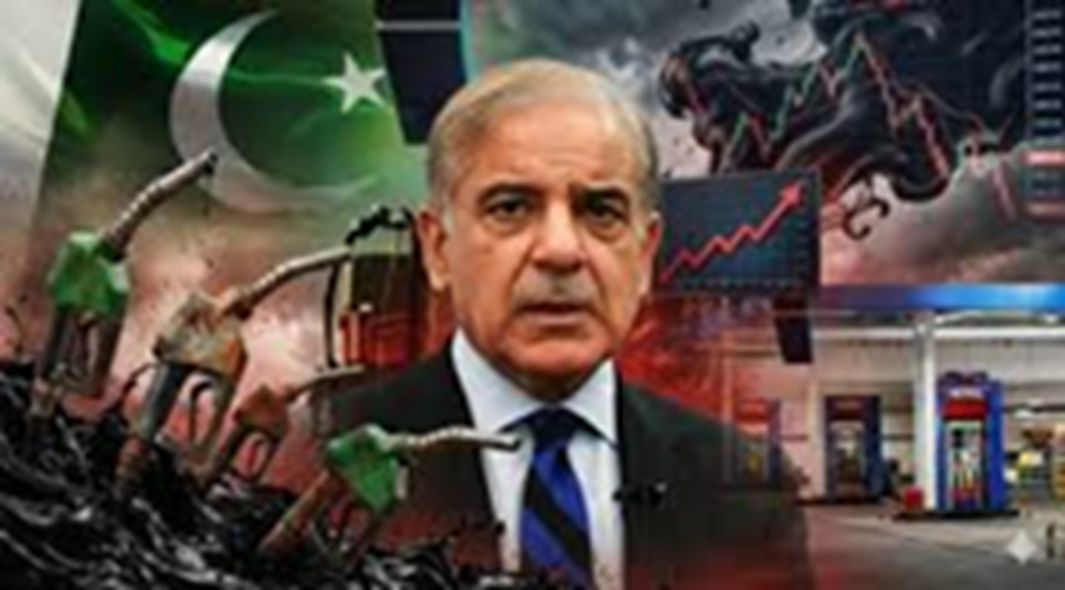
Pakistan will repay the UAE loan.
Pakistan to Repay Saudi Load: Pakistan is currently grappling with the dual pressures of economic and energy crises. In the latest development, Pakistan has decided to repay a $2 billion loan at the request of the United Arab Emirates (UAE). According to media reports, this amount was previously provided to support the Balance of Payments and was kept as a safe deposit in the State Bank of Pakistan.
Pakistan will repay the debt.
Now, amid rising tensions in West Asia and the war situation with Iran, the UAE has asked for its immediate return, which Pakistan can return by the end of this month.
Meanwhile, rising global oil prices have had a direct impact on Pakistan. Due to the ongoing conflict between the United States, Israel, and Iran, the Pakistani government has significantly increased the prices of petrol and high-speed diesel (HSD). Petrol prices have risen by approximately 43% to ₹458.41 per liter, while diesel prices have risen by 55% to ₹520.35 per liter. Kerosene prices have also been increased.
The government has also revised petroleum taxes. The tax on petrol has been increased to 160 rupees per liter, while the duty on diesel has been reduced to zero to provide some relief. Pakistan's Petroleum Minister, Ali Pervaiz Malik, described this as a "difficult but necessary decision."
Petrol and diesel have become expensive.
According to experts, this move is aimed at controlling rising consumption on the one hand and maintaining economic stability amid limited resources on the other. However, the government still provides limited subsidies to motorcyclists, farmers, and the transport sector.
The pressure of debt repayment and expensive fuel have put an additional burden on Pakistan's economy, due to which the impact of inflation on the general public is likely to increase further.